 Get Insights


How neuroelectrical stimulation devices are changing rehab
As rehabilitation technology advances, neuroelectrical stimulation devices are becoming central to modern recovery pathways. They support motor relearning, reduce functional decline, and help align therapy with measurable clinical outcomes.
In a global market shaped by aging populations, stroke prevalence, and rising expectations for home-based care, neuroelectrical stimulation devices now matter far beyond niche therapy rooms.
They connect neurology, biomechanics, digital monitoring, and patient engagement into one practical treatment framework. That makes them highly relevant across the broader medical equipment landscape.
Understanding neuroelectrical stimulation devices in rehabilitation
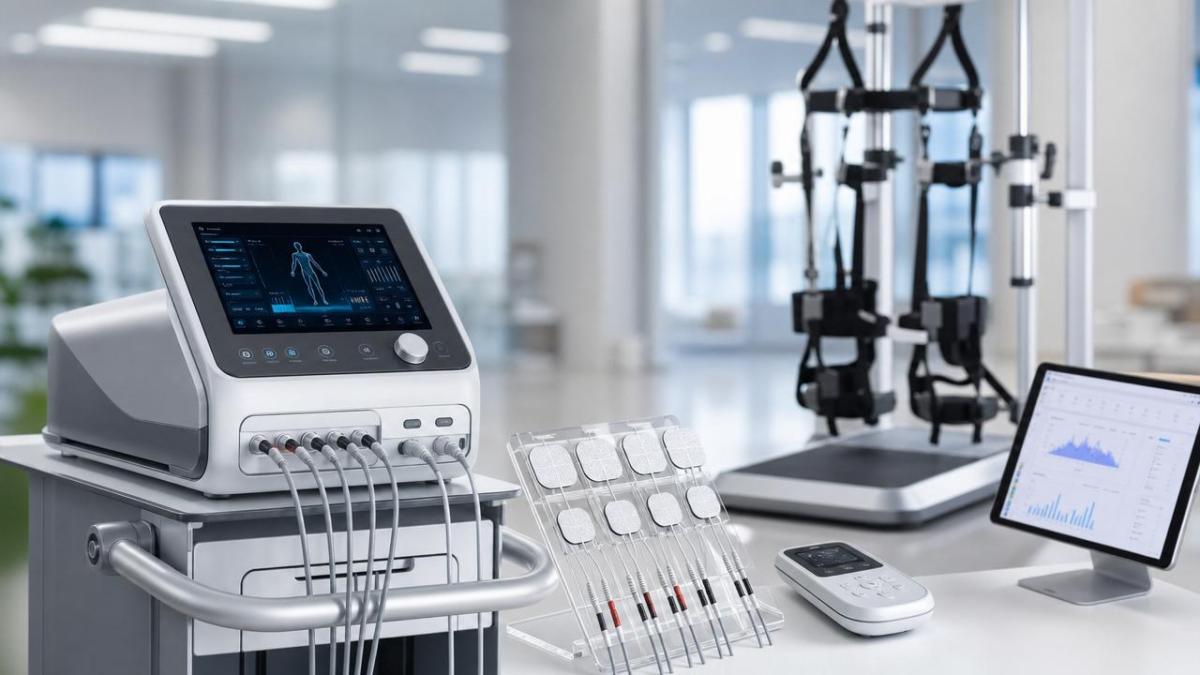
Neuroelectrical stimulation devices use controlled electrical impulses to activate nerves or muscles. Their goal is to restore movement patterns, improve muscle recruitment, and support neuroplasticity during rehabilitation.
Common modalities include NMES, FES, TENS, and advanced closed-loop systems. Each serves different therapeutic purposes, from pain relief to gait assistance and upper-limb recovery.
In rehab settings, neuroelectrical stimulation devices are often paired with exercise therapy, robotic training, balance work, and data-driven progress tracking. This integration is what drives their growing value.
Unlike passive support tools, these systems actively stimulate functional responses. That can help patients practice meaningful movements when voluntary control remains weak or inconsistent.
Core functional mechanisms
- Trigger muscle contraction to prevent disuse and improve activation.
- Promote repeated task-specific movement during therapy sessions.
- Enhance sensory input that supports central nervous system adaptation.
- Provide programmable treatment intensity for personalized recovery plans.
Industry context shaping adoption and demand
The rise of neuroelectrical stimulation devices reflects broader healthcare shifts. Rehabilitation is moving toward earlier intervention, objective outcome measurement, and longer care continuity after hospital discharge.
This trend fits closely with MTIC’s focus on equipment that improves patient quality of life while strengthening operational efficiency across clinical settings.
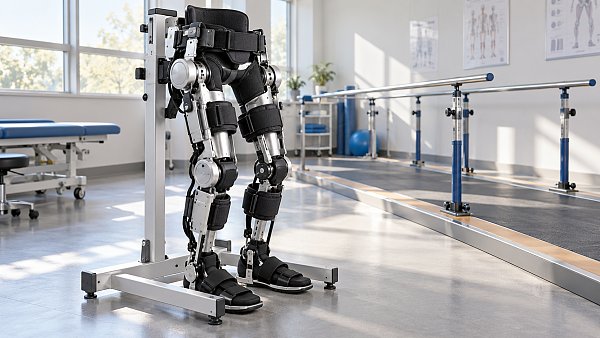
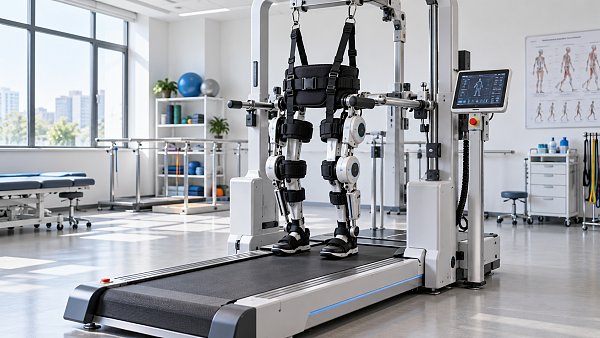
Another important driver is the convergence of rehab robotics and stimulation therapy. Exoskeletons, gait trainers, and motion sensors increasingly work alongside neuroelectrical stimulation devices.
That convergence creates stronger treatment ecosystems. It also raises expectations for interoperability, software usability, consumable management, and long-term service support.
Clinical and operational value across the care pathway
The main reason neuroelectrical stimulation devices are changing rehab is simple. They can turn limited movement potential into repeated, structured, and therapeutically useful action.
For patients, this often means earlier muscle engagement, better confidence, and more visible progress. For care systems, it can mean improved protocol consistency and more objective treatment documentation.
Key areas of value
- Support motor relearning after stroke or neurological injury.
- Reduce secondary weakness during immobilization or low activity periods.
- Assist gait training by improving ankle dorsiflexion or step timing.
- Improve therapy intensity without relying only on manual facilitation.
- Extend structured rehabilitation into outpatient and home environments.
Neuroelectrical stimulation devices also contribute to standardization. Protocol libraries, adjustable parameters, and patient-specific presets can reduce variability between therapy sessions.
This matters in integrated healthcare networks where outcome comparisons, reimbursement logic, and device utilization rates influence investment decisions.
From a business perspective, the category benefits from strong cross-department relevance. It can touch neurology, orthopedics, sports medicine, homecare, and digital rehabilitation service models.
Typical applications and user pathways
Not all neuroelectrical stimulation devices serve the same goals. Selection should follow the clinical scenario, treatment setting, and expected duration of use.
Settings where adoption is expanding
- Acute hospitals seeking earlier mobilization after injury or surgery.
- Inpatient rehab centers emphasizing high-intensity neuro recovery.
- Outpatient clinics building differentiated therapy programs.
- Home rehabilitation platforms supporting remote adherence.
The strongest programs rarely rely on stimulation alone. They combine neuroelectrical stimulation devices with assessment tools, guided exercise, education, and follow-up analytics.
Implementation considerations and practical evaluation points
Successful adoption depends on more than waveform specifications. Real-world performance is shaped by training quality, patient selection, workflow fit, and device reliability over time.
What to examine before deployment
- Clinical evidence for target indications and treatment protocols.
- Ease of parameter adjustment and user interface clarity.
- Compatibility with rehab robots, sensors, or EMR-linked data tools.
- Electrode consumable cost, replacement frequency, and supply continuity.
- Safety features, contraindication controls, and documentation support.
- Service responsiveness and multi-site technical support capacity.
It is also wise to assess whether neuroelectrical stimulation devices support scalable pathways. A device that works in hospital but fails in outpatient transition can limit long-term value.
Programs should define measurable goals early. Examples include range of motion, walking speed, therapy adherence, pain reduction, and time to functional milestones.
These metrics make comparison easier across vendors and help determine whether neuroelectrical stimulation devices are improving both outcomes and equipment utilization.
Strategic next steps for a changing rehabilitation market
Neuroelectrical stimulation devices are no longer peripheral tools. They are becoming part of a larger rehabilitation architecture built around precision therapy, digital oversight, and recovery efficiency.
Their importance will likely grow as care systems seek better post-stroke recovery, stronger orthopedic outcomes, and more practical home-based rehabilitation options.
A practical next step is to map demand by indication, care setting, and integration level. Then compare neuroelectrical stimulation devices by evidence, interoperability, and lifecycle support.
Within the MTIC perspective, this category represents more than a device trend. It reflects how intelligent equipment can restore function, protect quality of life, and strengthen modern therapeutic ecosystems.
Organizations that evaluate neuroelectrical stimulation devices through both clinical and operational lenses will be better positioned to respond to the next wave of global rehabilitation demand.
Recommended News
 Medical Compliance Reference: U.S. Infection Control Rules vs. GuidanceUse this medical compliance reference to distinguish U.S. infection control rules from guidance, clarify OSHA, CMS, FDA and CDC roles, and identify gaps before your next audit.
 Choosing Powered Exoskeleton Rehabilitation Devices for Post-Stroke Gait TrainingCompare powered exoskeleton rehabilitation devices for post-stroke gait training. Explore patient fit, safety, clinical evidence, and costs to choose the right system for your service.
 Commerce Ministry: Exoskeleton Sales on Key Platforms Rise 46.4% in Jan–Sep 2026Exoskeleton sales rose 46.4% on key platforms in Jan–Sep 2026, according to supplied Commerce Ministry data. Explore procurement insights and key checks for suppliers and buyers.
 Wearable Exoskeleton Rehabilitation Devices: Key Criteria for Gait TrainingCompare wearable exoskeleton rehabilitation devices for gait training. Discover key criteria for patient fit, safety, assistance, and clinical evidence to guide smarter selection.
 3D Intraoral Scans Show High Specificity for Caries Around Restorations3D intraoral scans show high specificity for caries around restorations, but sensitivity varies. Explore what these findings mean for secondary caries assessment.
 Specialty Medical Equipment Specifications: Performance and Compatibility ChecksEvaluate specialty medical equipment specifications with practical performance and compatibility checks. Discover how to avoid costly mismatches and make confident hospital purchasing decisions.
 Taixi Intelligent Exoskeleton Robot Showcased at the 140th Canton FairExplore Taixi Intelligent’s Yinyue X1 exoskeleton, reportedly showcased at the 140th Canton Fair. Discover its features and key compliance checks for overseas buyers.
 Robotic Rehabilitation Devices: How to Evaluate Systems for Gait TrainingCompare robotic rehabilitative medical devices for gait training. Discover how to assess patient fit, safety, clinical evidence, and costs to choose the right system for your program.
 UK Confirms Indefinite Recognition of CE-Marked Medical DevicesCE-marked medical devices gain indefinite recognition in Great Britain. Discover what this means for UKCA requirements, compliance planning and long-term supply continuity.
 Electric Dental Chairs: How to Assess Load Capacity, Positioning, and SafetyChoosing electric dental chair equipment? Learn how to verify load capacity, assess positioning, and check safety controls to make a confident, evidence-based purchase.
 Runyes Opens New Ningbo Plant at Global Partner SummitRunyes opens a new Ningbo plant at its 2026 Global Partner Summit. Explore what the expansion could mean for digital dental equipment, global partners, and procurement planning.
 Medical Think Tank Research for Procurement: Evidence and Bias ChecksMedical think tank procurement research: learn to verify evidence, spot bias, and assess lifecycle costs so you can turn insights into defensible hospital equipment decisions.
 Femtosecond Laser Docking: How to Troubleshoot Repeated Suction LossFemtosecond laser systems with docking: troubleshoot repeated suction loss, identify seal and vacuum issues, and explore key safety checks before another attempt. Read the guide.
 Sterilization Standards: What Documentation Do Hospitals Need for Audits?Strengthen sterilization compliance standards documentation with essential audit records, monitoring evidence, and traceability guidance. Discover how to prepare your hospital for audits.
 Hospital Disinfection System Manufacturers: Efficacy Evidence Buyers Should RequestChoosing a hospital disinfection systems manufacturer? Discover the efficacy reports, safety records, and site trials to request to verify claims and buy with confidence.
 Optical Diffraction Limits Explained: How Wavelength and NA Set ResolutionOptical diffraction limits explained: Learn how wavelength and NA shape resolution, compare optical specifications confidently, and spot misleading claims before choosing imaging equipment.
 Dialysis Center Equipment Checklist: What to Buy Before OpeningExplore end stage renal disease equipment for dialysis centers with an opening checklist for machines, water systems, and supplies. Plan smarter purchases and avoid costly startup delays.
 Dental Clinic Infection Control: Daily Checks for Instruments and SurfacesExplore infection control solutions for dental clinics with practical daily checks for instruments, sterilization, and surfaces. Learn how to spot failures and strengthen patient safety.
 Focused vs. Radial Shockwave Equipment: Clinical Uses and Selection CriteriaExplore this therapeutic equipment comparison of focused vs. radial shockwave systems. Compare clinical uses, targeting, evidence, and costs to choose the right fit for your clinic.
 What Is Driving Demand for Elderly Care Equipment in Home and Facility Settings?Elderly care equipment demand is rising as home care, staff shortages, chronic disease, and safety needs reshape buying decisions. Discover the trends driving smarter care.
 How to Evaluate a Dental Equipment Supplier Before Equipping a New ClinicDental equipment supplier evaluation made simple: compare workflow fit, installation, infection control, digital integration, service support, and total ownership costs before opening your clinic.





Global Trade Insights & Industry
Our mission is to empower global exporters and importers with data-driven insights that foster strategic growth.
Search News
Popular Tags
Industry Overview
The global commercial kitchen equipment market is projected to reach $112 billion by 2027. Driven by urbanization, the rise of e-commerce food delivery, and strict hygiene regulations.