 Get Insights


Why ultrafiltration flow control affects system stability
In hemodialysis and other precision filtration applications, ultrafiltration flow control is more than a performance variable—it is a core factor in system stability, treatment accuracy, and patient safety. For technical evaluators, understanding how flow fluctuations influence pressure balance, membrane efficiency, and overall equipment reliability is essential when assessing whether a system can deliver consistent clinical results under real operating conditions.
In blood purification systems, even small deviations in ultrafiltration flow can affect transmembrane pressure, solute clearance consistency, alarm frequency, and long-session reliability. For teams evaluating dialysis equipment, this is not a narrow engineering detail. It is a practical indicator of whether a platform can maintain stable output over 3–5 hour treatment sessions, across repeated weekly use, and under variable patient loads.
For MTIC’s technical audience, the key question is straightforward: when a system claims precise ultrafiltration flow control, how does that claim translate into measurable stability, lower intervention rates, and predictable clinical performance? The answer lies in how flow control interacts with pumps, sensors, membranes, software logic, and water quality management as one integrated system.
Why ultrafiltration flow control directly affects system stability
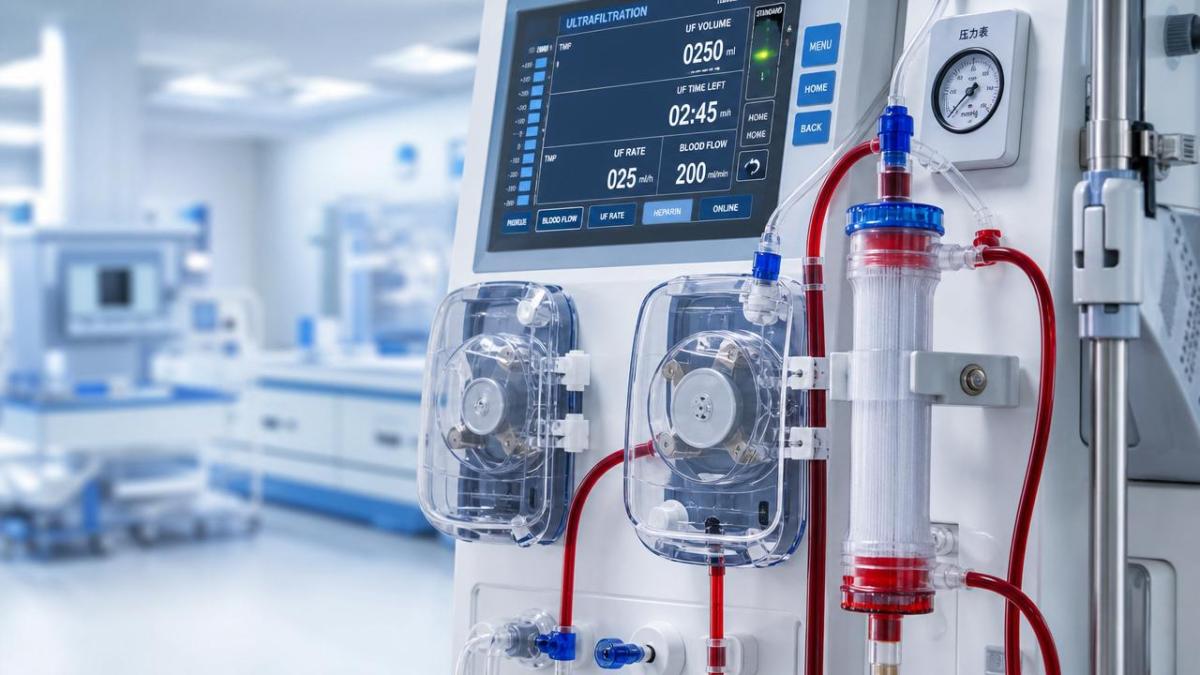
In hemodialysis equipment, ultrafiltration flow control governs the rate at which plasma water is removed across the membrane. Typical programmed ultrafiltration rates may range from a few hundred mL/hour to more than 1,000 mL/hour depending on treatment plans, but the stability challenge is not the target alone. It is the system’s ability to hold that target within a narrow deviation band while blood viscosity, venous pressure, and membrane conditions keep changing.
Flow instability creates a chain reaction
When ultrafiltration flow control drifts, the first effect is often pressure imbalance. A mismatch between prescribed removal and actual removal changes transmembrane pressure behavior, which can then alter membrane loading. In systems with weak control loops, this may trigger repeated compensation cycles every few seconds or minutes, increasing mechanical stress on pumps and valves.
That instability does not stay isolated. It can influence conductivity compensation, thermal balance, and alarm response logic. In practical terms, a machine that cannot maintain smooth flow may show more nuisance alarms, more frequent operator intervention, and less predictable treatment completion. Over hundreds of cycles per year, these issues become a meaningful reliability and cost concern.
Key mechanisms technical evaluators should track
- Control response speed when target ultrafiltration changes in step increments
- Sensor accuracy and drift behavior over long operating hours
- Pump pulsation effects on actual fluid removal stability
- Software compensation quality during pressure fluctuations
- Membrane fouling tolerance across repeated treatment cycles
A stable platform should not only hit a setpoint at one moment in time. It should demonstrate repeatability across 10, 50, or 100 treatment cycles with minimal correction drift. This matters especially in facilities treating multiple patients per day, where equipment may operate for 12–18 hours in a high-throughput schedule.
Why precision matters in clinical-grade equipment procurement
Technical evaluation often focuses on visible specifications such as screen design, pump type, or disposables compatibility. However, ultrafiltration flow control is one of the most important hidden determinants of clinical-grade equipment quality. A machine may look advanced yet still perform poorly if its control loop cannot stabilize flow under changing blood-side and dialysate-side conditions.
For procurement teams, this means benchmark testing should include dynamic operating scenarios rather than static factory settings only. Systems should be reviewed under low, medium, and high ultrafiltration demand, ideally across at least 3 operating states, to observe how quickly actual values return to target after a controlled disturbance.
Core technical factors behind stable ultrafiltration flow control
System stability depends on coordinated hardware and software design. In dialysis platforms, ultrafiltration flow control is shaped by pump architecture, pressure sensing resolution, valve actuation accuracy, membrane characteristics, and firmware logic. Evaluators should resist reviewing these in isolation. Stability is a systems-level outcome.
1. Pumping architecture and pulse behavior
Different pump designs produce different flow signatures. Some create more pulsation, while others support smoother volumetric movement. In ultrafiltration applications, excessive pulsation can cause oscillation in measured removal rates, especially if sensor sampling and control correction intervals are not well matched. A 1-second correction rhythm behaves very differently from a 10-second rhythm when the system sees rapid pressure changes.
2. Sensor resolution and calibration stability
Pressure and flow sensors are central to accurate control. Even a technically small measurement offset can cascade into cumulative removal error over a 4-hour treatment. Evaluators should ask about calibration intervals, self-check routines, and drift performance after extended use. A machine that performs well on day 1 but drifts after 6 months introduces operational risk.
3. Membrane condition and fouling response
No membrane remains in a perfectly fresh state during clinical use. As protein loading and fouling increase, hydraulic resistance changes. Strong ultrafiltration flow control compensates for this without excessive overshoot. Weak systems may respond too slowly or too aggressively, producing unstable TMP patterns and more alarms near the middle or end of treatment.
The table below summarizes the main technical elements that influence stability during actual operation and what evaluators should verify during assessment.
The main takeaway is that stable ultrafiltration flow control is not defined by one component specification. It depends on how accurately the entire fluid management loop senses, reacts, and corrects over time. This is why bench data, software tuning, and consumables compatibility all matter during technical due diligence.
How flow control influences treatment accuracy and patient safety
In hemodialysis, treatment accuracy is closely tied to fluid balance. If actual removal deviates from the prescribed target, the clinical result may not align with the planned dry weight goal. Over-removal can contribute to hypotension risk, while under-removal can reduce treatment effectiveness and create cumulative fluid management problems over multiple weekly sessions.
Accuracy is cumulative, not momentary
A 50 mL discrepancy may appear minor in isolation, but repeated across a 3-times-per-week schedule, cumulative deviation becomes meaningful. That is why technical evaluators should consider total-session accuracy, not only short-term control snapshots. A system with stable 15-minute performance but weak 4-hour consistency may still fail practical expectations.
Stable ultrafiltration flow control also helps preserve treatment predictability when patient conditions change. Variations in vascular access resistance, blood pump settings, and temperature can all shift pressure conditions. Better control design reduces the likelihood that such changes turn into clinically disruptive alarm events.
Safety-related effects technical teams should not overlook
- Reduced risk of cumulative fluid balance error over long sessions
- Lower probability of sudden compensation overshoot
- Fewer interruptions caused by unstable pressure interpretation
- Improved consistency between programmed and delivered treatment
From a procurement perspective, these safety effects are especially relevant in centers managing high patient turnover. If one station handles 2–4 patients per day, variability that seems acceptable in occasional use can become operationally significant very quickly. Stable systems protect not just the patient pathway, but also workflow efficiency and staff confidence.
What technical evaluators should test before approving a system
A robust evaluation process should move beyond brochure-level claims. For blood purification systems, technical assessment should combine document review, controlled testing, maintenance analysis, and service-readiness verification. Ultrafiltration flow control should be validated under realistic operating windows rather than ideal laboratory conditions alone.
Recommended assessment checklist
- Verify response stability at at least 3 programmed ultrafiltration rates
- Review pressure trend behavior during a full-length simulated session
- Check whether alarm thresholds are clinically practical or overly sensitive
- Assess calibration workflow and recommended service interval
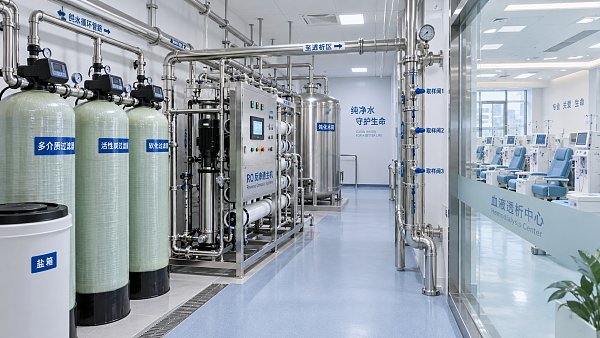
- Confirm compatibility with RO water quality management standards
- Review consumables dependence, especially membrane and tubing effects
Questions that separate strong platforms from weak ones
Evaluators should ask how the system performs when pressure changes abruptly, how quickly it recovers to target, and whether software applies smoothing or predictive correction. They should also ask what maintenance events most commonly affect ultrafiltration accuracy after 6–12 months of field use. These questions reveal whether a supplier understands real operational stability or only nominal specification performance.
The comparison table below can help procurement and engineering teams structure a practical review of ultrafiltration flow control performance before final selection.
This framework helps technical teams avoid a common purchasing mistake: approving a system that appears capable on paper but becomes unstable under routine clinical load. In high-dependency applications such as hemodialysis, stable ultrafiltration flow control should be treated as a decision-critical criterion, not a secondary feature.
Common evaluation mistakes and how to avoid them
One common mistake is focusing only on maximum performance. A machine may advertise broad ultrafiltration capability, but technical evaluators should care more about controllability across the normal operating range than the peak figure alone. Stable behavior at common treatment settings is usually more valuable than extreme but rarely used capacity.
Mistake 1: Testing under ideal conditions only
Factory demonstrations often use clean circuits, fresh consumables, and tightly controlled conditions. Real use involves repeated cycles, variable patient profiles, and maintenance intervals. Evaluation should include at least one scenario that simulates pressure disturbance or membrane resistance change so the team can observe how ultrafiltration flow control behaves when the system is not operating in a perfect state.
Mistake 2: Ignoring service and calibration burden
Even strong control design can be undermined by difficult maintenance workflows. If calibration requires excessive downtime or specialized intervention, field accuracy may degrade between service events. Technical evaluation should include not only how the system performs, but how realistically that performance can be sustained across 12 months of operational use.
Mistake 3: Separating water quality from flow control review
In blood purification systems, medical-grade RO water and fluid control stability are interdependent. Poor water consistency can influence scaling, membrane condition, and component wear. For this reason, technical evaluators should review ultrafiltration flow control alongside water treatment design, preventive maintenance planning, and consumables management rather than as an isolated specification line.
Practical selection guidance for B2B buyers and engineering reviewers
For hospitals, dialysis centers, distributors, and MedTech sourcing teams, the best equipment decisions come from aligning technical performance with operational reality. Stable ultrafiltration flow control supports more than patient treatment. It supports predictable staffing, lower interruption rates, clearer maintenance planning, and stronger confidence in multi-unit deployment.
What a strong supplier conversation should include
- Actual control strategy under fluctuating pressure conditions
- Expected calibration frequency and parts replacement cycle
- Evidence of stable operation across repeated treatment durations
- Integration with water treatment and alarm management systems
- Field service response process and technical documentation quality
For organizations comparing multiple blood purification platforms, this approach shortens the gap between specification review and real-world suitability. It also helps avoid downstream costs from unstable operation, unnecessary alarms, staff retraining, or inconsistent treatment delivery.
At MTIC, technical intelligence around hemodialysis systems is built to support precisely this kind of decision-making: linking component-level performance with clinical usability, procurement risk, and long-term service logic. When evaluating next-generation dialysis equipment, ultrafiltration flow control should be viewed as a primary indicator of whether a system can deliver stable, repeatable, and scalable value.
If you are reviewing blood purification equipment, planning a comparative technical assessment, or refining your procurement criteria, now is the right time to examine how each platform manages flow stability under real conditions. Contact us to discuss application-specific evaluation points, request a tailored selection framework, or learn more about broader MTIC solutions in specialty medical equipment and infection control.
Recommended News
 Medical Compliance Reference: U.S. Infection Control Rules vs. GuidanceUse this medical compliance reference to distinguish U.S. infection control rules from guidance, clarify OSHA, CMS, FDA and CDC roles, and identify gaps before your next audit.
 Choosing Powered Exoskeleton Rehabilitation Devices for Post-Stroke Gait TrainingCompare powered exoskeleton rehabilitation devices for post-stroke gait training. Explore patient fit, safety, clinical evidence, and costs to choose the right system for your service.
 Commerce Ministry: Exoskeleton Sales on Key Platforms Rise 46.4% in Jan–Sep 2026Exoskeleton sales rose 46.4% on key platforms in Jan–Sep 2026, according to supplied Commerce Ministry data. Explore procurement insights and key checks for suppliers and buyers.
 Wearable Exoskeleton Rehabilitation Devices: Key Criteria for Gait TrainingCompare wearable exoskeleton rehabilitation devices for gait training. Discover key criteria for patient fit, safety, assistance, and clinical evidence to guide smarter selection.
 3D Intraoral Scans Show High Specificity for Caries Around Restorations3D intraoral scans show high specificity for caries around restorations, but sensitivity varies. Explore what these findings mean for secondary caries assessment.
 Specialty Medical Equipment Specifications: Performance and Compatibility ChecksEvaluate specialty medical equipment specifications with practical performance and compatibility checks. Discover how to avoid costly mismatches and make confident hospital purchasing decisions.
 Taixi Intelligent Exoskeleton Robot Showcased at the 140th Canton FairExplore Taixi Intelligent’s Yinyue X1 exoskeleton, reportedly showcased at the 140th Canton Fair. Discover its features and key compliance checks for overseas buyers.
 Robotic Rehabilitation Devices: How to Evaluate Systems for Gait TrainingCompare robotic rehabilitative medical devices for gait training. Discover how to assess patient fit, safety, clinical evidence, and costs to choose the right system for your program.
 UK Confirms Indefinite Recognition of CE-Marked Medical DevicesCE-marked medical devices gain indefinite recognition in Great Britain. Discover what this means for UKCA requirements, compliance planning and long-term supply continuity.
 Electric Dental Chairs: How to Assess Load Capacity, Positioning, and SafetyChoosing electric dental chair equipment? Learn how to verify load capacity, assess positioning, and check safety controls to make a confident, evidence-based purchase.
 Runyes Opens New Ningbo Plant at Global Partner SummitRunyes opens a new Ningbo plant at its 2026 Global Partner Summit. Explore what the expansion could mean for digital dental equipment, global partners, and procurement planning.
 Medical Think Tank Research for Procurement: Evidence and Bias ChecksMedical think tank procurement research: learn to verify evidence, spot bias, and assess lifecycle costs so you can turn insights into defensible hospital equipment decisions.
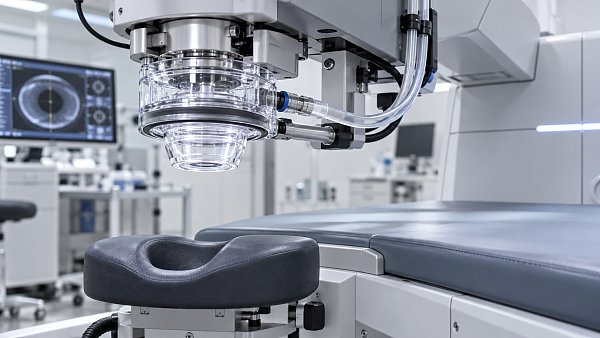
 Femtosecond Laser Docking: How to Troubleshoot Repeated Suction LossFemtosecond laser systems with docking: troubleshoot repeated suction loss, identify seal and vacuum issues, and explore key safety checks before another attempt. Read the guide.
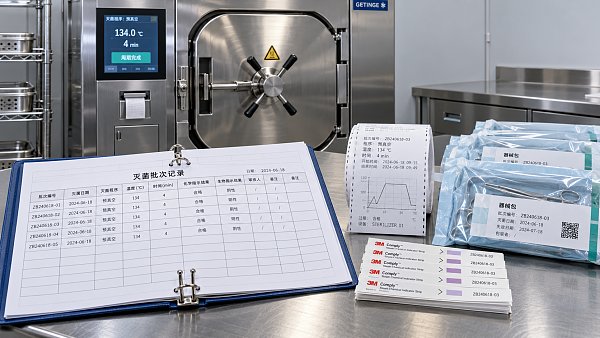
 Sterilization Standards: What Documentation Do Hospitals Need for Audits?Strengthen sterilization compliance standards documentation with essential audit records, monitoring evidence, and traceability guidance. Discover how to prepare your hospital for audits.
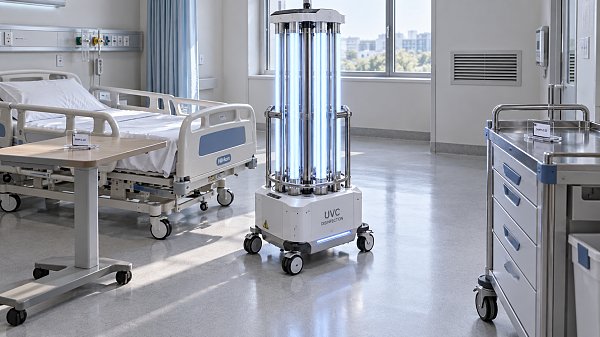
 Hospital Disinfection System Manufacturers: Efficacy Evidence Buyers Should RequestChoosing a hospital disinfection systems manufacturer? Discover the efficacy reports, safety records, and site trials to request to verify claims and buy with confidence.
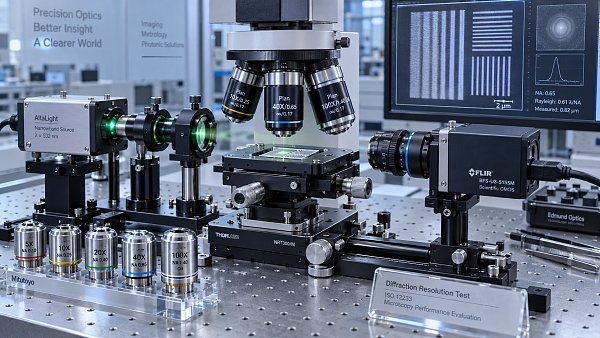
 Optical Diffraction Limits Explained: How Wavelength and NA Set ResolutionOptical diffraction limits explained: Learn how wavelength and NA shape resolution, compare optical specifications confidently, and spot misleading claims before choosing imaging equipment.
 Dialysis Center Equipment Checklist: What to Buy Before OpeningExplore end stage renal disease equipment for dialysis centers with an opening checklist for machines, water systems, and supplies. Plan smarter purchases and avoid costly startup delays.
 Dental Clinic Infection Control: Daily Checks for Instruments and SurfacesExplore infection control solutions for dental clinics with practical daily checks for instruments, sterilization, and surfaces. Learn how to spot failures and strengthen patient safety.
 Focused vs. Radial Shockwave Equipment: Clinical Uses and Selection CriteriaExplore this therapeutic equipment comparison of focused vs. radial shockwave systems. Compare clinical uses, targeting, evidence, and costs to choose the right fit for your clinic.
 What Is Driving Demand for Elderly Care Equipment in Home and Facility Settings?Elderly care equipment demand is rising as home care, staff shortages, chronic disease, and safety needs reshape buying decisions. Discover the trends driving smarter care.
 How to Evaluate a Dental Equipment Supplier Before Equipping a New ClinicDental equipment supplier evaluation made simple: compare workflow fit, installation, infection control, digital integration, service support, and total ownership costs before opening your clinic.






Global Trade Insights & Industry
Our mission is to empower global exporters and importers with data-driven insights that foster strategic growth.
Search News
Popular Tags
Industry Overview
The global commercial kitchen equipment market is projected to reach $112 billion by 2027. Driven by urbanization, the rise of e-commerce food delivery, and strict hygiene regulations.