 Get Insights


How sterile physicochemical barriers reduce hidden risks
For quality control and safety managers, hidden contamination risks rarely come from obvious failures alone. In modern healthcare settings, sterile physicochemical barriers reduce unseen exposure paths, stabilize device performance, and support audit-ready infection control.
Their value extends beyond sterilization rooms. They influence transport, storage, reprocessing, dialysis water safety, dental workflows, ophthalmic precision, and rehabilitation equipment uptime across complex care environments.
When sterile physicochemical barriers are matched to the right scenario, they help prevent cross-contact, preserve sterility assurance, and lower the operational risks that damage patient trust and institutional credibility.
Why hidden risks vary by clinical and operational scenario

Not every contamination pathway looks the same. A CSSD tray, a dialysis fluid route, and a dental handpiece all face different pressure, humidity, material, and handling conditions.
That is why sterile physicochemical barriers cannot be treated as a single packaging or disinfection decision. Their real effectiveness depends on environmental stress, contact frequency, and downstream clinical sensitivity.
In broad medical operations, hidden risks usually emerge where physical separation and chemical control no longer align. Examples include damaged wraps, incomplete drying, incompatible materials, or weak storage discipline.
A scenario-based approach helps identify where sterile physicochemical barriers must do more than block microbes. They must also resist moisture, maintain seal integrity, tolerate transport friction, and support traceable compliance records.
Scenario 1: CSSD workflows where sterile physicochemical barriers protect the full reprocessing chain
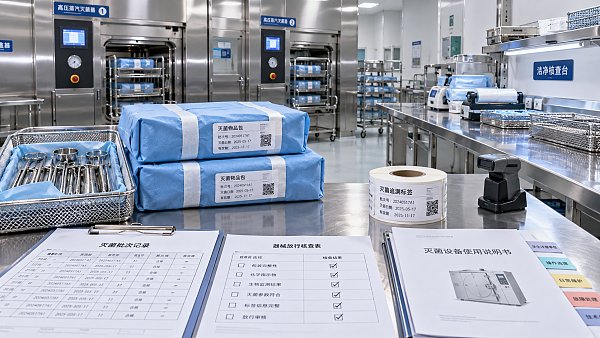
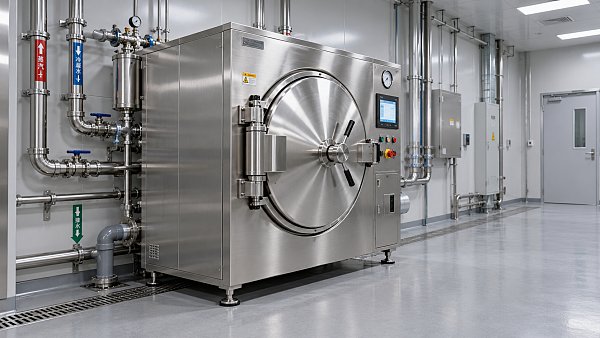
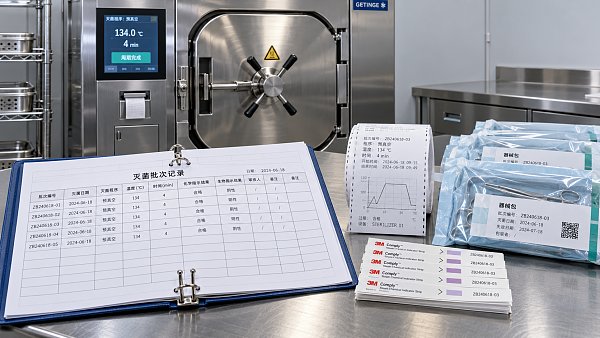
In CSSDs, hidden risk often appears after sterilization, not before it. Packs may pass the cycle, yet fail during cooling, transfer, shelving, or point-of-use handling.
Here, sterile physicochemical barriers must balance microbial exclusion with steam penetration, drying efficiency, seal durability, and shelf-life stability. A barrier that sterilizes well but stores poorly creates false confidence.
Core judgment points in CSSD settings
- Whether packaging material matches steam, H2O2 plasma, or low-temperature sterilization methods
- Whether drying is complete before transfer and storage
- Whether seals, folds, and corners resist tearing during internal logistics
- Whether chemical indicators and lot traceability remain readable and attached
If any of these points are weak, sterile physicochemical barriers may appear compliant on paper while allowing hidden compromise during routine movement and storage.
Scenario 2: Dialysis environments where invisible fluid pathways raise the stakes
Hemodialysis systems operate through repeated blood and water interfaces. Even minor barrier failures can introduce endotoxin, biofilm, or chemical residue risks that remain undetected until performance declines.
In this scenario, sterile physicochemical barriers include not only sterile disposables, but also membrane integrity, connector protection, RO water controls, and cleaning chemistry compatibility.
Core judgment points in dialysis settings
- Whether barrier materials tolerate frequent chemical exposure without degradation
- Whether water purification systems maintain stable microbiological baselines
- Whether tubing and connectors stay protected during storage and installation
- Whether routine validation includes both chemical and microbial indicators
Because dialysis is repetitive and high-volume, small deviations can become systemic. Strong sterile physicochemical barriers reduce cumulative risk rather than merely reacting to isolated events.
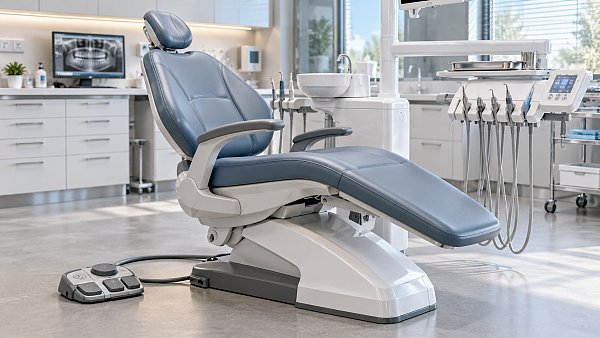
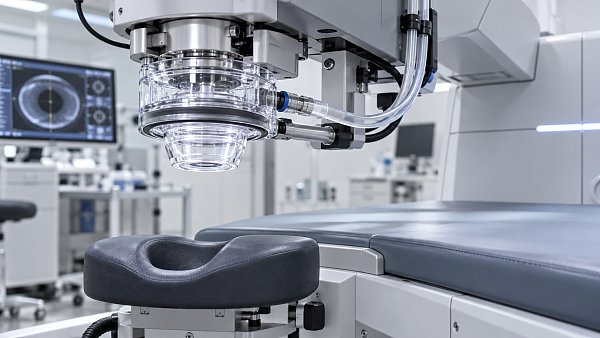
Scenario 3: Dental and ophthalmic procedures where precision leaves little room for contamination
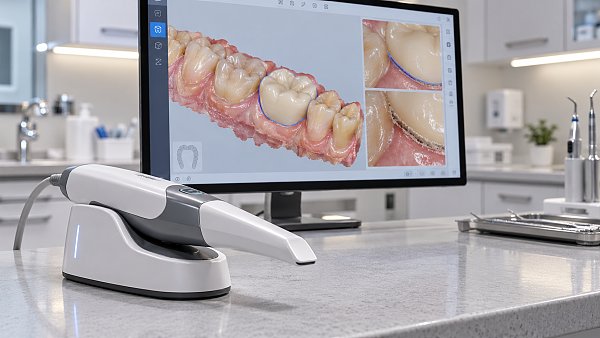
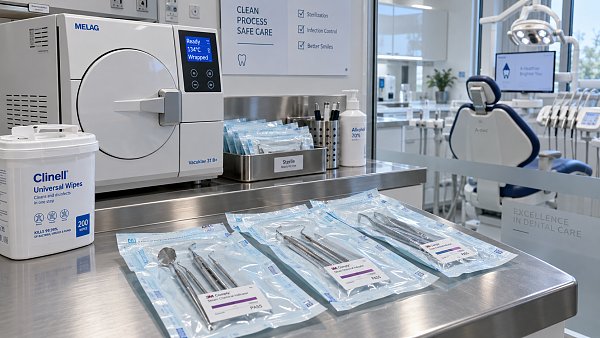
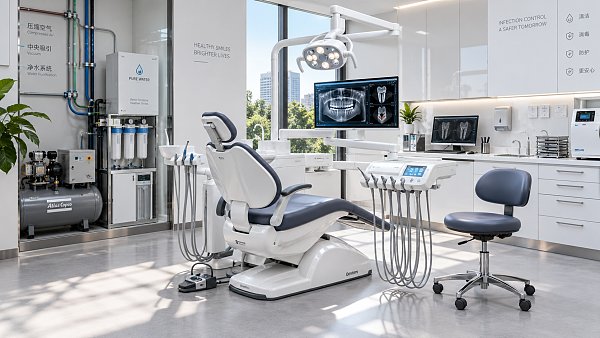
Dental units and ophthalmic devices combine delicate surfaces, short turnover times, and close contact with vulnerable tissues. Hidden contamination here may spread through aerosols, micro-splashes, or poorly protected instrument channels.
Sterile physicochemical barriers in these settings must support speed without sacrificing integrity. Barriers should be easy to inspect, simple to replace, and compatible with precision optics, handpieces, and minimally invasive tools.
Core judgment points in high-precision treatment zones
- Whether barrier layers resist aerosol deposition between rapid patient turnovers
- Whether cleaning agents damage coatings, seals, or optical interfaces
- Whether sterile presentation remains intact during chairside or surgical preparation
- Whether disposable and reusable components are clearly separated
In these scenarios, sterile physicochemical barriers reduce hidden risks by controlling both contact surfaces and treatment flow speed, especially where visibility alone cannot confirm cleanliness.
Scenario 4: Rehab equipment and shared-contact devices with frequent human touch
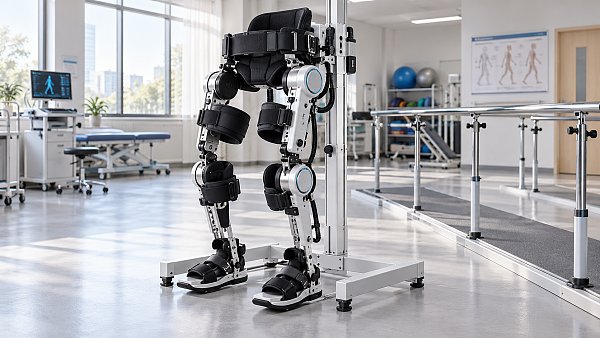
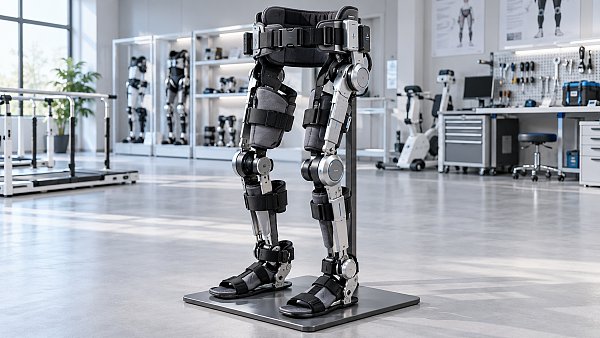
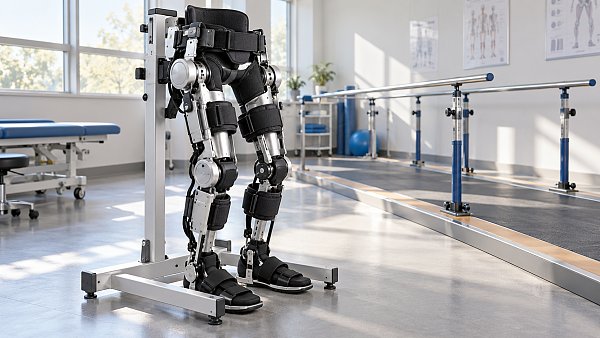
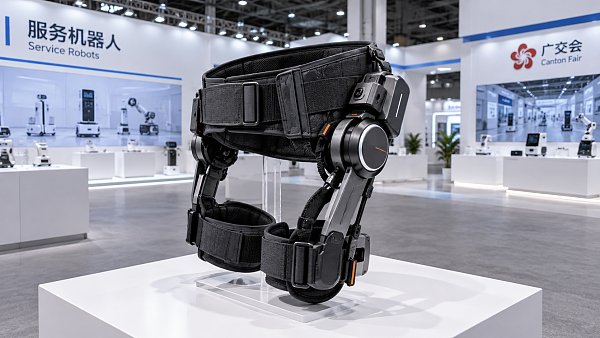
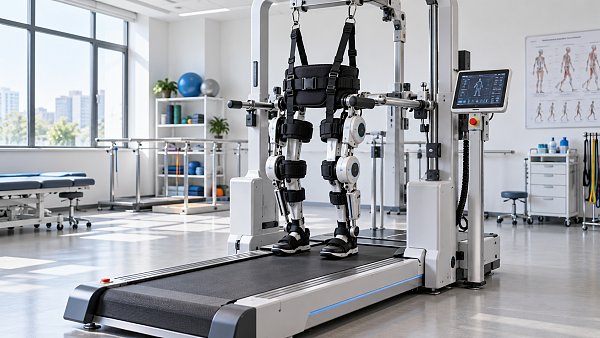
Rehabilitation robots, supports, and physical therapy devices create a different challenge. They often involve repeated skin contact, long session durations, and mixed patient mobility conditions.
Here, sterile physicochemical barriers are less about terminal sterile storage and more about surface protection, material resilience, sweat resistance, and repeatable cleaning performance between users.
The hidden risk is assuming that visible cleanliness equals controlled contamination. In reality, porous pads, joint covers, straps, and sensor contact points may retain residues or support microbial persistence.
How scenario needs differ across departments
This comparison shows why sterile physicochemical barriers should be selected by use conditions, not by a generic “sterile” label alone.
Practical adaptation advice for stronger barrier performance
- Map every touchpoint from sterilization to use, then identify where sterile physicochemical barriers are stressed most.
- Verify compatibility between barrier materials and sterilization media, detergents, disinfectants, and environmental humidity.
- Separate visual cleanliness checks from true barrier integrity checks.
- Use traceable indicators, storage rules, and transport controls to support audit evidence.
- Review failure trends by scenario, not only by product category.
Across integrated medical operations, this disciplined approach helps sterile physicochemical barriers deliver measurable risk reduction rather than symbolic compliance.
Common misjudgments that allow hidden contamination to persist
One common mistake is focusing only on sterilizer performance. If packaging, storage, transport, or handling fails, sterile physicochemical barriers lose their protective value after a successful cycle.
Another mistake is ignoring chemistry. Some barriers weaken when exposed repeatedly to aggressive disinfectants, residual moisture, or incompatible cleaning agents.
A third risk is treating all departments equally. The barrier needs of a blood purification pathway are not the same as those of a rehab exoskeleton or an ophthalmic surgical set.
Finally, organizations often underestimate documentation gaps. Without clear records, even effective sterile physicochemical barriers may fail to support audits, export reviews, or quality investigations.
Next steps for reducing hidden risks with scenario-based barrier planning
Start with a scenario review across sterilization, dialysis, dental, ophthalmic, and rehabilitation workflows. Rank each area by exposure frequency, material sensitivity, and consequence of barrier failure.
Then build a validation matrix linking sterile physicochemical barriers to sterilization method, storage condition, transport practice, and cleaning chemistry. This creates a stronger foundation for both safety improvement and compliance readiness.
For organizations tracking global specialty medical equipment trends, this method aligns well with MTIC’s broader view: clinical finesse depends on invisible control layers that keep treatment safe, precise, and sustainable.
When sterile physicochemical barriers are planned by scenario, hidden risks become easier to detect, easier to manage, and far less likely to escalate into serious operational failures.
Recommended News
 Medical Compliance Reference: U.S. Infection Control Rules vs. GuidanceUse this medical compliance reference to distinguish U.S. infection control rules from guidance, clarify OSHA, CMS, FDA and CDC roles, and identify gaps before your next audit.
 Choosing Powered Exoskeleton Rehabilitation Devices for Post-Stroke Gait TrainingCompare powered exoskeleton rehabilitation devices for post-stroke gait training. Explore patient fit, safety, clinical evidence, and costs to choose the right system for your service.
 Commerce Ministry: Exoskeleton Sales on Key Platforms Rise 46.4% in Jan–Sep 2026Exoskeleton sales rose 46.4% on key platforms in Jan–Sep 2026, according to supplied Commerce Ministry data. Explore procurement insights and key checks for suppliers and buyers.
 Wearable Exoskeleton Rehabilitation Devices: Key Criteria for Gait TrainingCompare wearable exoskeleton rehabilitation devices for gait training. Discover key criteria for patient fit, safety, assistance, and clinical evidence to guide smarter selection.
 3D Intraoral Scans Show High Specificity for Caries Around Restorations3D intraoral scans show high specificity for caries around restorations, but sensitivity varies. Explore what these findings mean for secondary caries assessment.
 Specialty Medical Equipment Specifications: Performance and Compatibility ChecksEvaluate specialty medical equipment specifications with practical performance and compatibility checks. Discover how to avoid costly mismatches and make confident hospital purchasing decisions.
 Taixi Intelligent Exoskeleton Robot Showcased at the 140th Canton FairExplore Taixi Intelligent’s Yinyue X1 exoskeleton, reportedly showcased at the 140th Canton Fair. Discover its features and key compliance checks for overseas buyers.
 Robotic Rehabilitation Devices: How to Evaluate Systems for Gait TrainingCompare robotic rehabilitative medical devices for gait training. Discover how to assess patient fit, safety, clinical evidence, and costs to choose the right system for your program.
 UK Confirms Indefinite Recognition of CE-Marked Medical DevicesCE-marked medical devices gain indefinite recognition in Great Britain. Discover what this means for UKCA requirements, compliance planning and long-term supply continuity.
 Electric Dental Chairs: How to Assess Load Capacity, Positioning, and SafetyChoosing electric dental chair equipment? Learn how to verify load capacity, assess positioning, and check safety controls to make a confident, evidence-based purchase.
 Runyes Opens New Ningbo Plant at Global Partner SummitRunyes opens a new Ningbo plant at its 2026 Global Partner Summit. Explore what the expansion could mean for digital dental equipment, global partners, and procurement planning.
 Medical Think Tank Research for Procurement: Evidence and Bias ChecksMedical think tank procurement research: learn to verify evidence, spot bias, and assess lifecycle costs so you can turn insights into defensible hospital equipment decisions.
 Femtosecond Laser Docking: How to Troubleshoot Repeated Suction LossFemtosecond laser systems with docking: troubleshoot repeated suction loss, identify seal and vacuum issues, and explore key safety checks before another attempt. Read the guide.
 Sterilization Standards: What Documentation Do Hospitals Need for Audits?Strengthen sterilization compliance standards documentation with essential audit records, monitoring evidence, and traceability guidance. Discover how to prepare your hospital for audits.
 Hospital Disinfection System Manufacturers: Efficacy Evidence Buyers Should RequestChoosing a hospital disinfection systems manufacturer? Discover the efficacy reports, safety records, and site trials to request to verify claims and buy with confidence.
 Optical Diffraction Limits Explained: How Wavelength and NA Set ResolutionOptical diffraction limits explained: Learn how wavelength and NA shape resolution, compare optical specifications confidently, and spot misleading claims before choosing imaging equipment.
 Dialysis Center Equipment Checklist: What to Buy Before OpeningExplore end stage renal disease equipment for dialysis centers with an opening checklist for machines, water systems, and supplies. Plan smarter purchases and avoid costly startup delays.
 Dental Clinic Infection Control: Daily Checks for Instruments and SurfacesExplore infection control solutions for dental clinics with practical daily checks for instruments, sterilization, and surfaces. Learn how to spot failures and strengthen patient safety.
 Focused vs. Radial Shockwave Equipment: Clinical Uses and Selection CriteriaExplore this therapeutic equipment comparison of focused vs. radial shockwave systems. Compare clinical uses, targeting, evidence, and costs to choose the right fit for your clinic.
 What Is Driving Demand for Elderly Care Equipment in Home and Facility Settings?Elderly care equipment demand is rising as home care, staff shortages, chronic disease, and safety needs reshape buying decisions. Discover the trends driving smarter care.
 How to Evaluate a Dental Equipment Supplier Before Equipping a New ClinicDental equipment supplier evaluation made simple: compare workflow fit, installation, infection control, digital integration, service support, and total ownership costs before opening your clinic.






Global Trade Insights & Industry
Our mission is to empower global exporters and importers with data-driven insights that foster strategic growth.
Search News
Popular Tags
Industry Overview
The global commercial kitchen equipment market is projected to reach $112 billion by 2027. Driven by urbanization, the rise of e-commerce food delivery, and strict hygiene regulations.