 Get Insights


Phacoemulsification Machines Explained: What Specifications Matter in Daily Surgery
In cataract platforms, the conversation around phacoemulsification machines often starts with power, but daily surgical performance is shaped by a broader set of specifications. What matters in routine use is how the system holds chamber stability, reacts to occlusion changes, supports surgeon control, and fits a modern sterile workflow. For organizations tracking ophthalmic surgical equipment through a wider MedTech lens, this makes phaco systems more than a device category; they are a precision, safety, and lifecycle investment.
Why specifications matter beyond headline cutting power
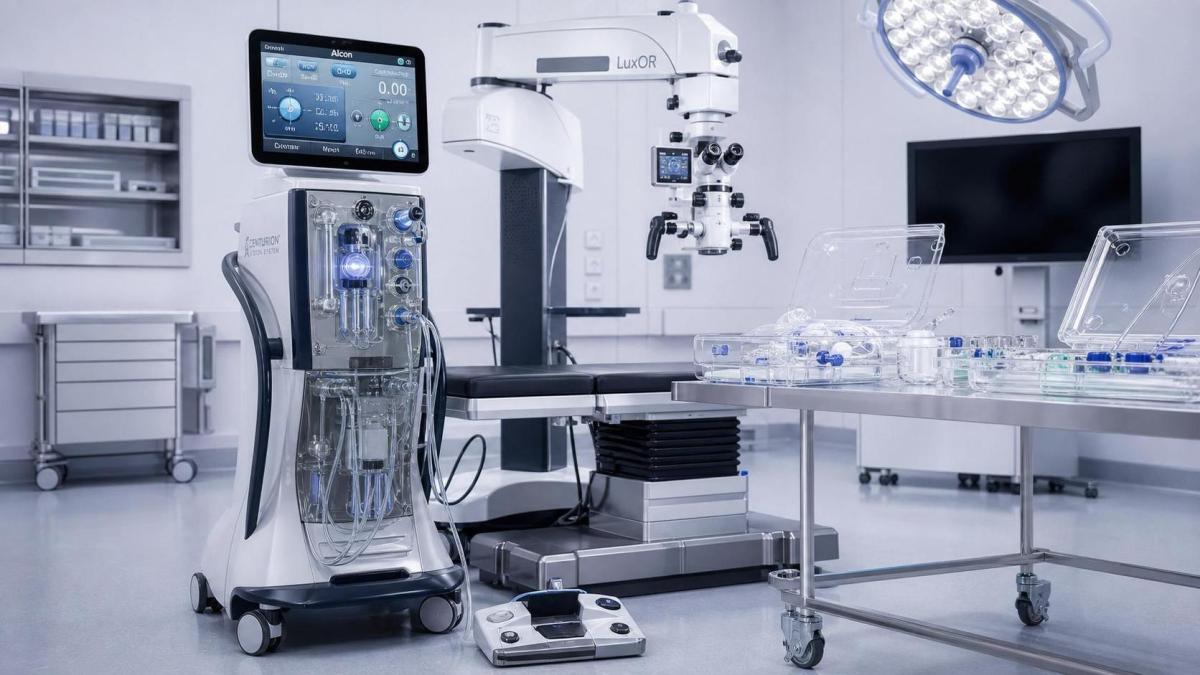
A phaco machine breaks and removes the cataractous lens through a small incision using ultrasound energy, irrigation, aspiration, and vacuum control. That sounds straightforward. In practice, each parameter affects how predictable the surgery feels minute by minute.
For technical comparison, two machines can look similar on a brochure and behave very differently in a busy operating list. One may deliver stronger followability, smoother nuclear hold, and fewer chamber fluctuations. Another may need more pedal correction, more cautious settings, or more frequent consumable adjustments.
This is why phacoemulsification machines are increasingly evaluated like other high-dependency therapeutic systems. The same disciplined thinking used in dialysis flow control or sterilization validation also applies here: reliability under repeated clinical pressure matters more than isolated peak numbers.
The four performance domains that shape daily surgery
Most meaningful comparisons fall into four connected domains: fluidics, ultrasound delivery, safety architecture, and workflow integration. If one area is weak, the entire user experience changes.
Fluidics is the real stability engine
Fluidics determines how well the anterior chamber stays formed while lens material is engaged and removed. In daily surgery, this directly influences confidence, especially with dense nuclei, weak zonules, or shallow chambers.
The most relevant specifications include vacuum rise time, maximum vacuum, aspiration flow rate, infusion pressure control, and surge suppression strategy. A machine with fast but unstable vacuum can look impressive on paper and still create unnecessary chamber movement after occlusion break.
Ultrasound mode affects efficiency and tissue behavior
Not all ultrasound is delivered the same way. Longitudinal, torsional, transversal, and mixed modes each change cutting mechanics, chatter behavior, and thermal profile at the incision.
The right question is not which mode sounds most advanced. It is which mode stays efficient across varied cataract grades while minimizing wasted energy and maintaining control near sensitive structures.
Safety controls are not secondary features
In phacoemulsification machines, safety depends on fast sensing and disciplined compensation. Occlusion detection, pressure management, thermal protection, and programmable limits help reduce instability before it becomes a visible problem.
A technically mature platform does not simply generate performance. It manages deviations well.
Workflow design changes long-term value
Foot pedal responsiveness, screen logic, cassette loading, tubing setup, cleaning sequence, and maintenance access influence turnover speed and training consistency. Over hundreds of cases, these details become operational specifications, not cosmetic ones.
Which specifications deserve the closest attention
When comparing phacoemulsification machines, it helps to separate marketing terms from measurable operating impact. The table below highlights the specifications that most often influence daily surgical quality.
A useful evaluation habit is to ask how each specification behaves during transition moments. Steady state settings are important, but complications often begin when fragments occlude, release, or move unexpectedly.
How different surgical environments change the priority list
The best phacoemulsification machines are not selected in a vacuum. Priority shifts according to case mix, staffing patterns, and operating model.
High-volume cataract centers
These environments usually value predictable setup, rapid turnover, durable consumable design, and stable performance over long lists. Minor efficiency gains per case become meaningful at scale.
Premium refractive cataract workflows
In premium pathways, refinement matters more than raw throughput. Surgeons may place greater weight on fine pedal control, low-energy lens removal, and a fluidics profile that remains calm in delicate eyes.
Training hospitals and mixed-experience teams
These settings benefit from intuitive interfaces, strong safety defaults, reliable parameter lockouts, and service support that reduces downtime. A machine that is forgiving under variable handling can protect both outcomes and scheduling.
From MTIC’s broader perspective, this mirrors other specialty equipment categories. The most resilient systems are those that match technical sophistication with practical operability and infection-conscious workflow design.
Looking beyond the console: consumables, service, and sterile workflow
A phaco platform is never only the main unit. Cassette architecture, tubing set consistency, tip compatibility, handpiece durability, and preventive maintenance intervals all influence lifetime cost and reliability.
Infection control is also part of the equipment value equation. Systems that simplify cleaning, reduce handling ambiguity, and support disciplined turnover align better with modern surgical governance. For portals like MTIC, which connect therapeutic precision with sterile assurance, this link is especially important.
Service coverage deserves equal scrutiny. A technically advanced machine with weak local support can become operationally fragile. Response time, spare part availability, software update policy, and handpiece repair pathways should be reviewed before any final decision.
- Check whether consumables are proprietary, flexible, or tied to long contracts.
- Review service logs and average downtime, not only warranty terms.
- Assess cleaning and turnover steps for consistency across staff shifts.
- Confirm whether software upgrades improve performance or add new recurring costs.
A practical framework for comparing phacoemulsification machines
A sound comparison process usually starts with clinical reality, not brochure hierarchy. Dense cataracts, routine senile cases, premium lens workflows, and training exposure each place different pressure on the platform.
It is often helpful to score phacoemulsification machines across five dimensions:
- Chamber stability during occlusion and release events
- Ultrasound efficiency across cataract densities
- User control, pedal feel, and preset logic
- Consumable ecosystem and maintenance burden
- Service resilience and sterile workflow compatibility
Live observation remains valuable. Bench data can narrow the field, but actual case behavior reveals whether the machine remains composed under normal pressure, not just ideal demonstration settings.
For a stronger next step, build an evaluation sheet around these real-use variables, compare them against local case profiles, and test where performance differences are most likely to influence outcomes, efficiency, and long-term operating confidence.
Recommended News
 Medical Device Compliance: A Practical Guide to Core Documentation and StandardsMedical device compliance information: explore core documentation, risk management, validation, standards, and change control for safer, audit-ready devices.
 Dental CBCT Equipment Cost: Budgeting for Purchase, Installation, and OwnershipDental CBCT equipment cost explained: budget for purchase, installation, software, service, compliance, and ownership to build a smarter, lower-risk imaging investment plan.
 How to Build a Global Medical Compliance Reference for Multi-Market Device LaunchesGlobal medical compliance reference: build a traceable, market-ready framework that links requirements, evidence, claims, and lifecycle controls for successful device launches.
 How to Evaluate a Dental Chair Systems Manufacturer for Clinic ProjectsChoose a dental chair systems manufacturer with confidence. Compare ergonomics, infection control, digital compatibility, installation support, and lifecycle value for clinic projects.
 How to Evaluate Interactive Robotic Rehabilitation Systems for Stroke TherapyInteractive robotic rehabilitation systems for stroke therapy: learn how to assess safety, clinical evidence, workflow fit, data, and long-term value.
 Choosing Implant Dentistry Systems for Safe, Efficient Oral Surgery WorkflowsImplant dentistry systems for oral surgery: evaluate precision, digital workflows, sterilization, traceability, and supply support to build safer, more efficient surgical care.
 Where Wearable Rehab Technology Delivers Measurable Gains in Stroke RecoveryWearable rehab technology helps stroke programs improve gait, balance, arm use, and home practice with actionable data that guides smarter therapy decisions.
 Hospital Medical Device Technical Evaluation: Safety, Fit, and Lifecycle CriteriaMedical device technical evaluation for hospitals: explore safety, clinical fit, infection control, serviceability, and lifecycle criteria for smarter purchasing decisions.
 Medical Device Product Categories: How Hospitals Classify Equipment for Safer PurchasingMedical device product categories guide safer hospital purchasing. Compare clinical workflows, infrastructure, consumables, infection control, and lifecycle costs.
 Digital Dentistry Equipment Price: Budgeting for Scanners, CAD/CAM, and ROIDigital dentistry equipment price guide: budget for scanners, CAD/CAM, software, service, and total ownership costs. Build a practical ROI case before you buy.
 Which Phacoemulsification Parameters Matter Most for Dense Cataract Cases?Phacoemulsification technology parameters for dense cataracts: compare energy delivery, vacuum, flow, IOP control, and surge response for safer, stable surgery.
 Medical Equipment Specification Standards: A Practical Guide to Compliance ReviewMedical equipment specification standards guide: review compliance, essential performance, clinical fit, utilities, and lifecycle risks for safer procurement decisions.
 How to Evaluate a Digital Dentistry Systems Factory for Clinic Equipment ProjectsEvaluate a digital dentistry systems factory with confidence: compare workflow integration, quality control, documentation, installation, and long-term service costs.
 How to Evaluate an Infection Control Systems Wholesaler for Hospital ProjectsChoose an infection control systems wholesaler with proven compliance, validation support, local service, and transparent lifecycle costs for reliable hospital projects.
 Minimally Invasive Dentistry for Pediatric Care: Techniques and Case SelectionMinimally invasive dentistry for pediatric care: discover case selection, sealants, resin infiltration, and pulp-preserving techniques for healthier young smiles.
 What Is Smart Rehabilitation Equipment? Key Technologies for More Measurable TherapyExplore rehabilitation equipment smart technologies that deliver measurable therapy, adaptive support, and actionable data to improve patient outcomes and clinical decisions.
 How Real-Time Force Feedback Improves Safety in Exoskeleton RehabilitationReal time force feedback improves exoskeleton rehabilitation safety by detecting unstable loading, adapting support, and preventing harmful movement. Learn how it works.
 How to Evaluate Hemodialysis Systems for Hospitals and Clinics in Southeast AsiaHemodialysis systems Southeast Asia: explore key factors for hospitals and clinics, from water treatment and safety to service, consumables, and lifecycle cost.
 Medical Exoskeletons Battery Life: What Determines Runtime in Daily Rehabilitation?Medical exoskeletons battery life depends on patient needs, therapy tasks, and charging workflows. Learn how to assess runtime for safer, more efficient rehabilitation.
 What Is Driving Adoption of Minimally Invasive Dentistry in Middle East Clinics?Explore why minimally invasive dentistry Middle East clinics are adopting digital workflows, precision care, and stronger infection control to improve patient outcomes and growth.
 What Drives Ophthalmic Surgical Device Maintenance Costs Over the Equipment Life Cycle?Ophthalmic surgical devices maintenance cost: uncover life-cycle drivers, uptime risks, contract terms, and smarter budgeting strategies for reliable surgical capacity.


Global Trade Insights & Industry
Our mission is to empower global exporters and importers with data-driven insights that foster strategic growth.
Search News
Popular Tags
Industry Overview
The global commercial kitchen equipment market is projected to reach $112 billion by 2027. Driven by urbanization, the rise of e-commerce food delivery, and strict hygiene regulations.