 Get Insights


How to vet a phacoemulsification machines supplier
How to Vet a Phacoemulsification Machines Supplier

Choosing a phacoemulsification machines supplier is a risk-control decision, not only a pricing exercise.
The decision affects surgical precision, uptime, compliance exposure, user confidence, and long-term consumable economics.
A qualified partner must prove regulatory readiness, clinical usability, service stability, and transparent lifecycle cost.
This guide outlines practical checkpoints for evaluating a phacoemulsification machines supplier with confidence.
Basic Understanding of Phacoemulsification Equipment Supply
Phacoemulsification equipment supports cataract surgery by fragmenting and removing the opaque lens through ultrasonic energy.
The system usually integrates ultrasound delivery, irrigation, aspiration, fluidics control, vitrectomy functions, and user interface modules.
A phacoemulsification machines supplier may offer devices, handpieces, tubing sets, cassettes, probes, software upgrades, and service programs.
Therefore, supplier evaluation should cover both the machine and the surrounding clinical ecosystem.
The best review starts with risk mapping: patient safety, surgical consistency, sterile workflow, uptime, and consumable dependency.
A phacoemulsification machines supplier should explain how each risk is controlled through design, documentation, training, and field support.
Core Components to Verify
- Console stability, pump type, vacuum response, and surge control performance.
- Handpiece durability, thermal behavior, energy efficiency, and sterilization compatibility.
- Cassette, tubing, sleeve, and tip availability across common cataract procedures.
- Software usability, parameter presets, alarm logic, and upgrade traceability.
- Service tools, calibration process, spare-part access, and preventive maintenance schedules.
Industry Signals Shaping Supplier Evaluation
Global aging continues to expand cataract surgery volumes and places higher pressure on ophthalmic operating efficiency.
At the same time, hospitals expect shorter turnover, reliable sterilization, fewer cancellations, and predictable consumable spending.
A phacoemulsification machines supplier must respond to these pressures with stable technology and disciplined operations.
These signals show why a phacoemulsification machines supplier should be assessed beyond brochure specifications.
The stronger partner connects clinical performance, infection control, logistics, and economic transparency.
Regulatory Readiness and Quality Management
Regulatory readiness is the first gate for any phacoemulsification machines supplier operating in international markets.
Certificates alone are not enough; scope, validity, product coverage, and responsible legal entity must match the offered equipment.
Confirm compliance with relevant medical device frameworks, such as ISO 13485 and applicable regional registration requirements.
Where applicable, review CE, FDA, UKCA, or local approvals according to the destination market.
A reliable phacoemulsification machines supplier should provide controlled documents without hesitation or inconsistent version records.
Documentation to Request
- Quality management certificate and product-specific regulatory evidence.
- Declaration of conformity, labeling samples, manuals, and software version records.
- Risk management summary aligned with ISO 14971 principles.
- Electrical safety, EMC, and usability testing references.
- Complaint handling, corrective action, and field safety notification procedures.
Document review should test consistency, not simply collect files.
If model names, accessories, or intended use statements conflict, the risk should be clarified before purchase.
Clinical Performance and Usability Assessment
A phacoemulsification machines supplier should demonstrate how the platform performs during real cataract surgery workflows.
Key performance areas include chamber stability, occlusion handling, ultrasound modulation, aspiration control, and response during dense nuclei cases.
Usability matters because small interface delays can influence rhythm, fatigue, and intraoperative decision-making.
Evaluate the pedal response, touchscreen layout, parameter memory, alarm clarity, and setup time.
A professional phacoemulsification machines supplier should support structured demonstrations, not only scripted product introductions.
Practical Demonstration Points
- Observe priming, cassette loading, tubing connection, and alarm recovery.
- Test parameter changes under simulated routine and complex case settings.
- Check handpiece temperature behavior during extended use conditions.
- Review compatibility with preferred phaco tips, sleeves, and fluidics accessories.
- Compare noise level, screen visibility, and cleaning convenience.
Clinical reference feedback is valuable when it includes case volume, model version, and service experience.
Generic testimonials should carry less weight than verifiable long-term operating data.
Service Capacity, Training, and Uptime Protection
Service quality often separates a dependable phacoemulsification machines supplier from a purely transactional vendor.
Cataract surgery programs cannot tolerate repeated downtime, unclear fault escalation, or slow spare-part delivery.
The service plan should define response time, remote support channels, preventive maintenance, loaner availability, and engineer qualification.
Training should cover surgeons, nurses, biomedical technicians, and sterile processing teams where applicable.
A strong phacoemulsification machines supplier documents training outcomes and refreshes knowledge after software or accessory changes.
When comparing offers, service documentation should be evaluated with the same seriousness as the machine specification.
Consumables, Sterilization, and Lifecycle Cost
The apparent purchase price rarely reflects the true cost of a phacoemulsification system.
A phacoemulsification machines supplier may use different models for cassettes, tubing, sleeves, tips, handpieces, and service contracts.
Calculate total cost over expected use, not only the initial quotation.
Include consumable pricing, minimum order quantities, shelf life, freight, warranty exclusions, and downtime costs.
Sterilization compatibility is equally important for safe and efficient ophthalmic workflows.
The phacoemulsification machines supplier should provide validated reprocessing instructions for reusable accessories.
Instructions should specify cleaning steps, compatible detergents, autoclave parameters, drying, inspection, and storage limitations.
Cost Items Often Missed
- Additional handpieces for case scheduling flexibility.
- Replacement foot pedals, cables, probes, and irrigation components.
- Software upgrades after warranty expiration.
- Engineer travel fees and annual calibration costs.
- Consumable price escalation and supply interruption risk.
Transparent lifecycle modeling makes supplier comparison fairer and reduces unexpected operating pressure.
Typical Supplier Categories and Evaluation Focus
Not every phacoemulsification machines supplier follows the same business model or support structure.
Understanding supplier type helps focus due diligence on the most relevant risks.
A phacoemulsification machines supplier should clearly state whether it is manufacturer, distributor, refurbisher, or integrated provider.
Unclear identity can complicate warranty claims, regulatory responsibility, and post-sale accountability.
Practical Vetting Checklist
A structured checklist prevents the selection process from being dominated by price or isolated technical claims.
Use the same questions across every phacoemulsification machines supplier to create comparable evidence.
- Confirm the exact model, configuration, software version, and included accessories.
- Match regulatory certificates with the offered model and destination market.
- Request service history references for similar installation environments.
- Review spare-part list, lead times, and minimum stock commitments.
- Compare consumable cost per case under realistic procedure volume.
- Evaluate training materials, competency records, and update policies.
- Check reprocessing instructions for handpieces and reusable accessories.
- Clarify warranty exclusions, preventive maintenance scope, and response time.
- Verify cybersecurity basics if the system connects to hospital networks.
- Document all promises inside the purchase agreement.
The strongest phacoemulsification machines supplier will welcome these checks and provide traceable answers.
Resistance, vague timelines, or shifting responsibility should be treated as early warning signs.
Contract Points and Next Steps
Before final selection, convert evaluation findings into enforceable contract language.
The agreement should define acceptance criteria, installation responsibilities, training scope, warranty terms, and service escalation.
For consumables, include pricing duration, substitute rules, delivery lead times, and supply continuity expectations.
For software, define update rights, validation support, cybersecurity notifications, and version documentation.
A phacoemulsification machines supplier should also provide a clear implementation calendar.
The calendar should cover site preparation, delivery, installation, acceptance testing, training, first-case support, and maintenance planning.
MTIC recommends comparing suppliers through clinical evidence, compliance depth, sterile workflow compatibility, and lifecycle economics.
This balanced approach supports safer cataract surgery, stronger uptime, and more predictable equipment operations.
To move forward, prepare a supplier scorecard, request verified documents, schedule a demonstration, and model five-year ownership cost.
The right phacoemulsification machines supplier will make each step clearer, measurable, and easier to audit.
Recommended News
 Medical Compliance Reference: U.S. Infection Control Rules vs. GuidanceUse this medical compliance reference to distinguish U.S. infection control rules from guidance, clarify OSHA, CMS, FDA and CDC roles, and identify gaps before your next audit.
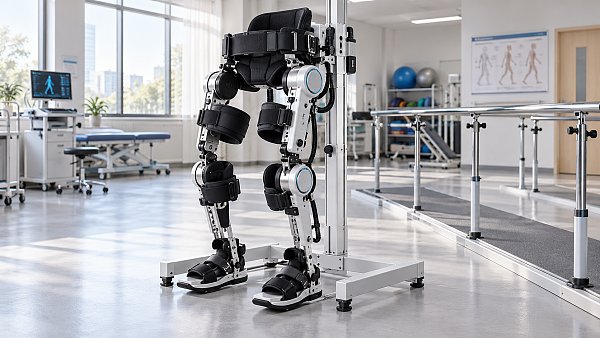
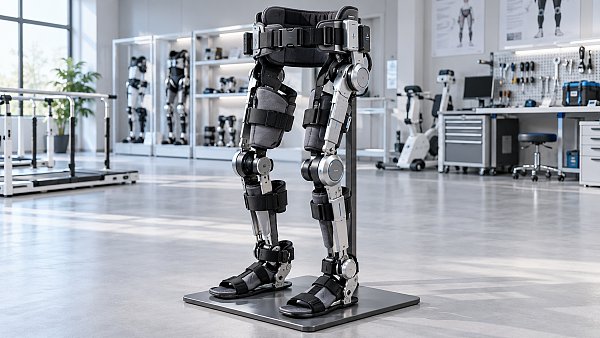
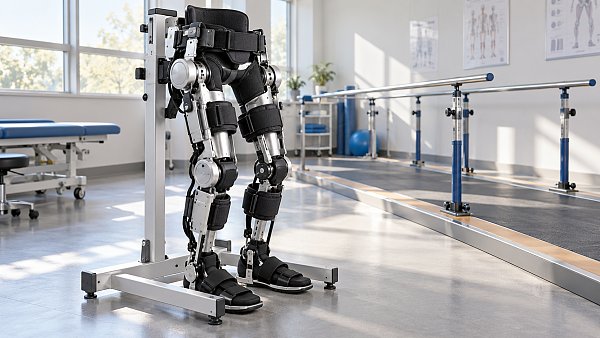
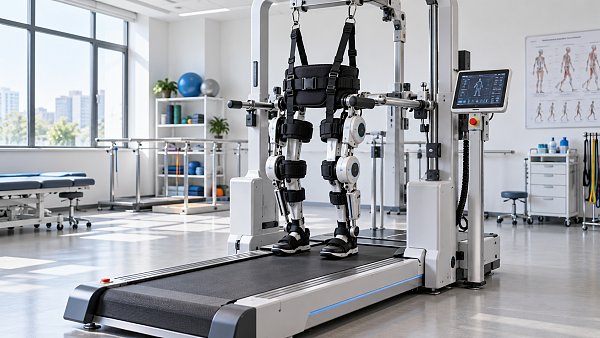
 Choosing Powered Exoskeleton Rehabilitation Devices for Post-Stroke Gait TrainingCompare powered exoskeleton rehabilitation devices for post-stroke gait training. Explore patient fit, safety, clinical evidence, and costs to choose the right system for your service.
 Commerce Ministry: Exoskeleton Sales on Key Platforms Rise 46.4% in Jan–Sep 2026Exoskeleton sales rose 46.4% on key platforms in Jan–Sep 2026, according to supplied Commerce Ministry data. Explore procurement insights and key checks for suppliers and buyers.
 Wearable Exoskeleton Rehabilitation Devices: Key Criteria for Gait TrainingCompare wearable exoskeleton rehabilitation devices for gait training. Discover key criteria for patient fit, safety, assistance, and clinical evidence to guide smarter selection.
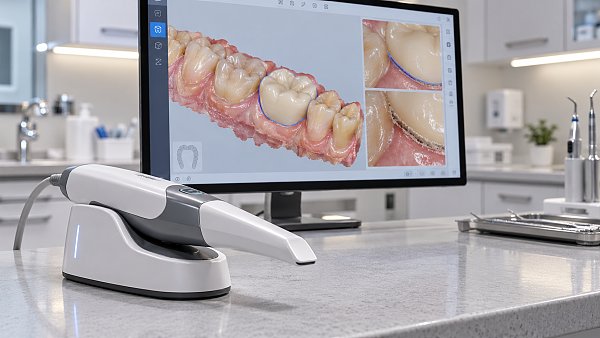
 3D Intraoral Scans Show High Specificity for Caries Around Restorations3D intraoral scans show high specificity for caries around restorations, but sensitivity varies. Explore what these findings mean for secondary caries assessment.
 Specialty Medical Equipment Specifications: Performance and Compatibility ChecksEvaluate specialty medical equipment specifications with practical performance and compatibility checks. Discover how to avoid costly mismatches and make confident hospital purchasing decisions.
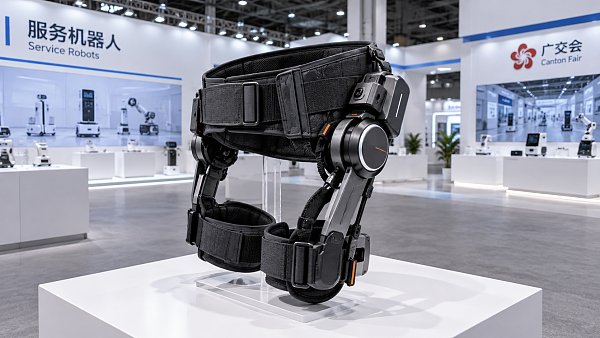
 Taixi Intelligent Exoskeleton Robot Showcased at the 140th Canton FairExplore Taixi Intelligent’s Yinyue X1 exoskeleton, reportedly showcased at the 140th Canton Fair. Discover its features and key compliance checks for overseas buyers.
 Robotic Rehabilitation Devices: How to Evaluate Systems for Gait TrainingCompare robotic rehabilitative medical devices for gait training. Discover how to assess patient fit, safety, clinical evidence, and costs to choose the right system for your program.
 UK Confirms Indefinite Recognition of CE-Marked Medical DevicesCE-marked medical devices gain indefinite recognition in Great Britain. Discover what this means for UKCA requirements, compliance planning and long-term supply continuity.
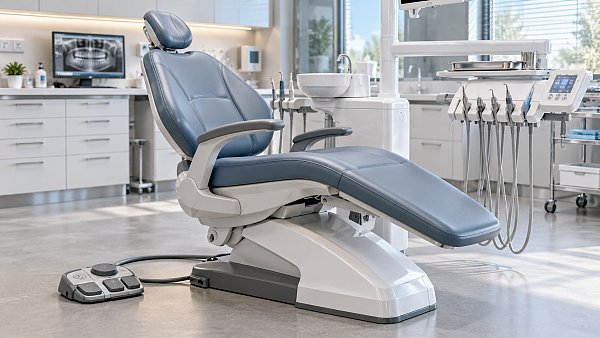
 Electric Dental Chairs: How to Assess Load Capacity, Positioning, and SafetyChoosing electric dental chair equipment? Learn how to verify load capacity, assess positioning, and check safety controls to make a confident, evidence-based purchase.
 Runyes Opens New Ningbo Plant at Global Partner SummitRunyes opens a new Ningbo plant at its 2026 Global Partner Summit. Explore what the expansion could mean for digital dental equipment, global partners, and procurement planning.
 Medical Think Tank Research for Procurement: Evidence and Bias ChecksMedical think tank procurement research: learn to verify evidence, spot bias, and assess lifecycle costs so you can turn insights into defensible hospital equipment decisions.
 Femtosecond Laser Docking: How to Troubleshoot Repeated Suction LossFemtosecond laser systems with docking: troubleshoot repeated suction loss, identify seal and vacuum issues, and explore key safety checks before another attempt. Read the guide.
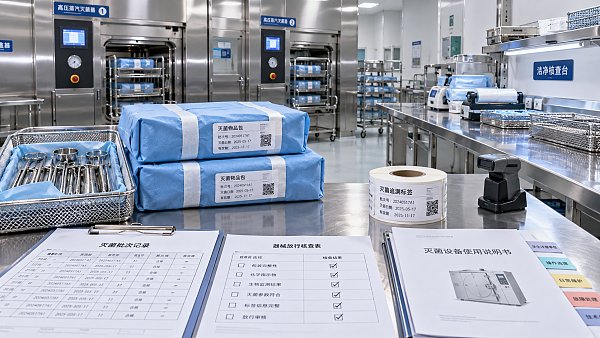
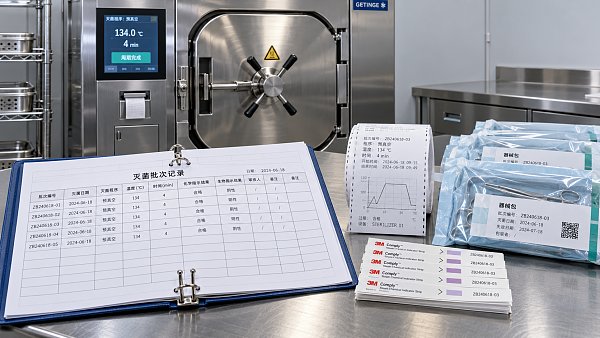
 Sterilization Standards: What Documentation Do Hospitals Need for Audits?Strengthen sterilization compliance standards documentation with essential audit records, monitoring evidence, and traceability guidance. Discover how to prepare your hospital for audits.
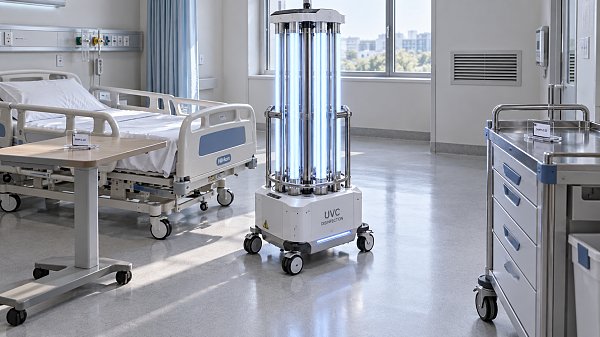
 Hospital Disinfection System Manufacturers: Efficacy Evidence Buyers Should RequestChoosing a hospital disinfection systems manufacturer? Discover the efficacy reports, safety records, and site trials to request to verify claims and buy with confidence.
 Optical Diffraction Limits Explained: How Wavelength and NA Set ResolutionOptical diffraction limits explained: Learn how wavelength and NA shape resolution, compare optical specifications confidently, and spot misleading claims before choosing imaging equipment.
 Dialysis Center Equipment Checklist: What to Buy Before OpeningExplore end stage renal disease equipment for dialysis centers with an opening checklist for machines, water systems, and supplies. Plan smarter purchases and avoid costly startup delays.
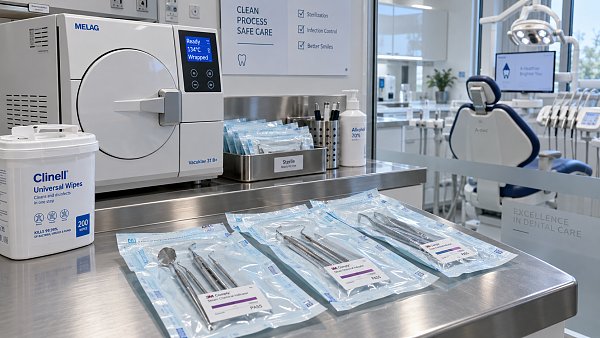
 Dental Clinic Infection Control: Daily Checks for Instruments and SurfacesExplore infection control solutions for dental clinics with practical daily checks for instruments, sterilization, and surfaces. Learn how to spot failures and strengthen patient safety.
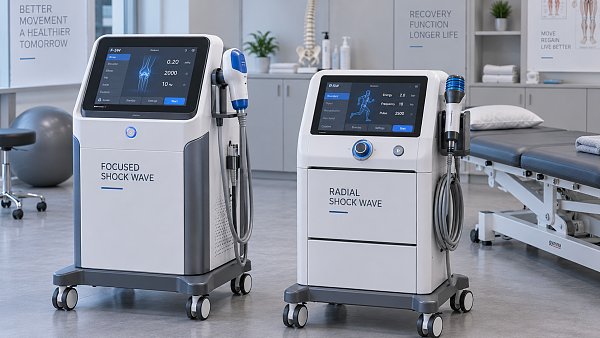
 Focused vs. Radial Shockwave Equipment: Clinical Uses and Selection CriteriaExplore this therapeutic equipment comparison of focused vs. radial shockwave systems. Compare clinical uses, targeting, evidence, and costs to choose the right fit for your clinic.
 What Is Driving Demand for Elderly Care Equipment in Home and Facility Settings?Elderly care equipment demand is rising as home care, staff shortages, chronic disease, and safety needs reshape buying decisions. Discover the trends driving smarter care.
 How to Evaluate a Dental Equipment Supplier Before Equipping a New ClinicDental equipment supplier evaluation made simple: compare workflow fit, installation, infection control, digital integration, service support, and total ownership costs before opening your clinic.








Global Trade Insights & Industry
Our mission is to empower global exporters and importers with data-driven insights that foster strategic growth.
Search News
Popular Tags
Industry Overview
The global commercial kitchen equipment market is projected to reach $112 billion by 2027. Driven by urbanization, the rise of e-commerce food delivery, and strict hygiene regulations.