 Get Insights


Are ophthalmic surgical devices getting safer to maintain?
As precision standards rise and uptime becomes critical, maintaining ophthalmic surgical devices is no longer just a technical routine—it is a frontline safety task. For after-sales service teams, the real question is whether newer designs, smarter diagnostics, and stricter infection-control features are making these systems safer and easier to maintain without compromising clinical performance.
Ophthalmic surgical devices are entering a safer maintenance era
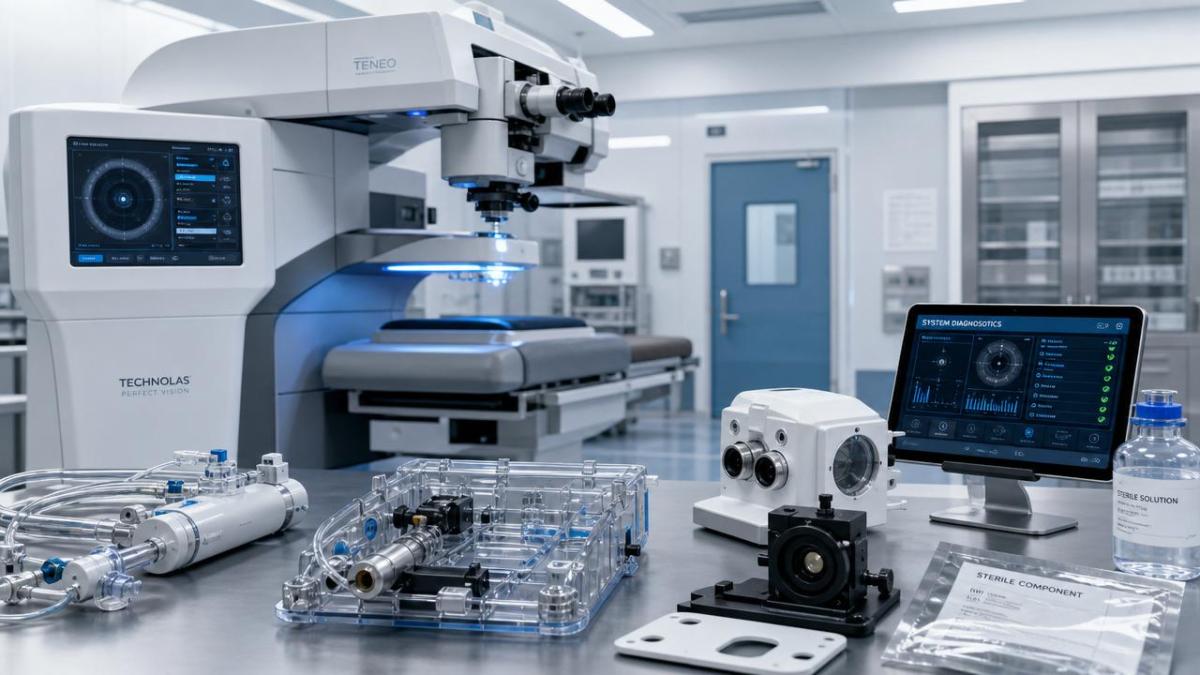
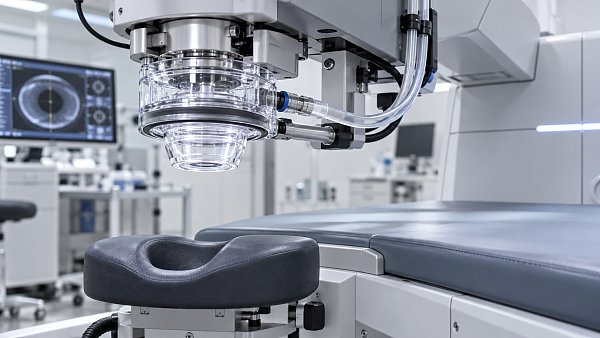
Across the broader medical equipment sector, ophthalmic surgical devices are being redesigned around maintainability, traceability, and contamination control.
This shift is not cosmetic. It responds to tighter surgical tolerances, stronger regulatory scrutiny, and higher expectations for device uptime.
Older systems often relied on manual checks, hidden tubing paths, and fragmented service records. Those features increased maintenance risk.
Newer ophthalmic surgical devices increasingly integrate self-diagnostics, modular assemblies, guided calibration, and cleaner service access points.
That does not mean all maintenance is now simple. Complexity has moved from mechanical intervention toward software, sensors, and data interpretation.
Still, the trend is clear: safer maintenance is becoming a design objective, not an afterthought.
The strongest trend signals are visible in daily service work
Several signals suggest that ophthalmic surgical devices are becoming safer to maintain in real clinical environments.
First, device makers are reducing exposure points. Fluidic paths, laser delivery components, and high-contact surfaces are better isolated.
Second, maintenance workflows are more guided. On-screen prompts, fault trees, and step validation reduce human error during service.
Third, service logs are becoming digital by default. That improves audit readiness and supports trend analysis across installed fleets.
Fourth, infection-control thinking now shapes device architecture. Smooth surfaces, sealed sections, and validated cleaning procedures support safer upkeep.
In high-volume cataract and refractive settings, these changes matter because short downtime can quickly disrupt surgical schedules.
Why these signals matter beyond ophthalmology
The same maintenance logic appears across sterilization systems, dialysis platforms, and rehabilitation robotics.
Healthcare infrastructure now values maintainability as part of patient safety, not only as a cost-control measure.
What is driving safer maintenance in ophthalmic surgical devices
The trend has multiple technical and operational drivers. Together, they explain why ophthalmic surgical devices are changing.
These drivers are reinforcing each other. Safer maintenance becomes easier when design, software, workflow, and compliance systems align.
Safer does not always mean simpler in ophthalmic surgical devices
A realistic assessment is important. Many ophthalmic surgical devices are safer to maintain, but not always easier in every dimension.
Mechanical exposure may be lower, yet software dependencies are greater. Firmware versions, encrypted logs, and remote authorization can slow intervention.
Sensor-rich systems also require better interpretation. A warning code may identify drift, but confirming root cause still demands expertise.
In some laser-based platforms, access restrictions protect safety but limit field adjustments. That improves control while increasing service specialization.
Therefore, the right conclusion is balanced: ophthalmic surgical devices are getting safer to maintain, yet maintenance capability must mature too.
The impact reaches service quality, infection control, and business continuity
Safer maintenance changes more than repair practice. It influences clinical trust, sterilization discipline, and operational resilience.
For service quality, better diagnostics reduce unnecessary parts replacement and support more accurate preventive maintenance cycles.
For infection control, cleaner access design lowers the chance of contaminating sensitive surfaces during inspection or replacement procedures.
For business continuity, modular ophthalmic surgical devices can often return to operation faster after isolated component failures.
This matters across integrated medical ecosystems, especially where ophthalmic surgery shares support resources with sterilization, IT, and facility engineering teams.
Where the impact is most visible
- Reduced unplanned downtime in cataract surgery centers
- Cleaner maintenance records for compliance reviews
- Lower risk during handling of fluidic and optical subsystems
- Faster coordination between field service and remote technical support
- More predictable spare-parts planning across installed fleets
The key issues worth watching now
Not every improvement in ophthalmic surgical devices automatically delivers safer maintenance outcomes. Several issues deserve close attention.
- Diagnostic transparency: fault alerts should be actionable, not vague or overly locked behind proprietary systems.
- Cleaning validation: maintenance access areas must align with infection-control procedures and approved chemistry.
- Training depth: digital interfaces reduce mistakes only when service teams understand device behavior and escalation rules.
- Parts modularity: replaceable modules help uptime, but poor interchangeability can create inventory complexity.
- Cyber-physical dependence: remote tools improve support, yet connectivity failures can delay service resolution.
- Lifecycle visibility: service history should connect maintenance events with performance drift and usage intensity.
The most reliable systems are those where maintainability, hygiene, and software governance are engineered together.
A practical way to judge whether ophthalmic surgical devices are truly safer to maintain
A useful judgment framework should move beyond marketing claims and focus on measurable service reality.
The next step is to align maintenance strategy with device evolution
The outlook is favorable. Ophthalmic surgical devices are moving toward safer maintenance through better design and smarter support tools.
But the benefits appear fully only when maintenance strategy evolves alongside the technology.
A practical response includes reviewing service protocols, validating cleaning compatibility, strengthening digital record discipline, and tracking recurring fault patterns.
It also helps to compare ophthalmic surgical devices using maintainability criteria, not only surgical performance specifications.
In the wider MTIC perspective, safer maintenance is becoming a strategic quality marker across specialty treatment and infection-control equipment.
The organizations that act early will protect uptime, support sterility, and build stronger confidence in every intervention involving ophthalmic surgical devices.
Recommended News
 Medical Compliance Reference: U.S. Infection Control Rules vs. GuidanceUse this medical compliance reference to distinguish U.S. infection control rules from guidance, clarify OSHA, CMS, FDA and CDC roles, and identify gaps before your next audit.
 Choosing Powered Exoskeleton Rehabilitation Devices for Post-Stroke Gait TrainingCompare powered exoskeleton rehabilitation devices for post-stroke gait training. Explore patient fit, safety, clinical evidence, and costs to choose the right system for your service.
 Commerce Ministry: Exoskeleton Sales on Key Platforms Rise 46.4% in Jan–Sep 2026Exoskeleton sales rose 46.4% on key platforms in Jan–Sep 2026, according to supplied Commerce Ministry data. Explore procurement insights and key checks for suppliers and buyers.
 Wearable Exoskeleton Rehabilitation Devices: Key Criteria for Gait TrainingCompare wearable exoskeleton rehabilitation devices for gait training. Discover key criteria for patient fit, safety, assistance, and clinical evidence to guide smarter selection.
 3D Intraoral Scans Show High Specificity for Caries Around Restorations3D intraoral scans show high specificity for caries around restorations, but sensitivity varies. Explore what these findings mean for secondary caries assessment.
 Specialty Medical Equipment Specifications: Performance and Compatibility ChecksEvaluate specialty medical equipment specifications with practical performance and compatibility checks. Discover how to avoid costly mismatches and make confident hospital purchasing decisions.
 Taixi Intelligent Exoskeleton Robot Showcased at the 140th Canton FairExplore Taixi Intelligent’s Yinyue X1 exoskeleton, reportedly showcased at the 140th Canton Fair. Discover its features and key compliance checks for overseas buyers.
 Robotic Rehabilitation Devices: How to Evaluate Systems for Gait TrainingCompare robotic rehabilitative medical devices for gait training. Discover how to assess patient fit, safety, clinical evidence, and costs to choose the right system for your program.
 UK Confirms Indefinite Recognition of CE-Marked Medical DevicesCE-marked medical devices gain indefinite recognition in Great Britain. Discover what this means for UKCA requirements, compliance planning and long-term supply continuity.
 Electric Dental Chairs: How to Assess Load Capacity, Positioning, and SafetyChoosing electric dental chair equipment? Learn how to verify load capacity, assess positioning, and check safety controls to make a confident, evidence-based purchase.
 Runyes Opens New Ningbo Plant at Global Partner SummitRunyes opens a new Ningbo plant at its 2026 Global Partner Summit. Explore what the expansion could mean for digital dental equipment, global partners, and procurement planning.
 Medical Think Tank Research for Procurement: Evidence and Bias ChecksMedical think tank procurement research: learn to verify evidence, spot bias, and assess lifecycle costs so you can turn insights into defensible hospital equipment decisions.
 Femtosecond Laser Docking: How to Troubleshoot Repeated Suction LossFemtosecond laser systems with docking: troubleshoot repeated suction loss, identify seal and vacuum issues, and explore key safety checks before another attempt. Read the guide.
 Sterilization Standards: What Documentation Do Hospitals Need for Audits?Strengthen sterilization compliance standards documentation with essential audit records, monitoring evidence, and traceability guidance. Discover how to prepare your hospital for audits.
 Hospital Disinfection System Manufacturers: Efficacy Evidence Buyers Should RequestChoosing a hospital disinfection systems manufacturer? Discover the efficacy reports, safety records, and site trials to request to verify claims and buy with confidence.
 Optical Diffraction Limits Explained: How Wavelength and NA Set ResolutionOptical diffraction limits explained: Learn how wavelength and NA shape resolution, compare optical specifications confidently, and spot misleading claims before choosing imaging equipment.
 Dialysis Center Equipment Checklist: What to Buy Before OpeningExplore end stage renal disease equipment for dialysis centers with an opening checklist for machines, water systems, and supplies. Plan smarter purchases and avoid costly startup delays.
 Dental Clinic Infection Control: Daily Checks for Instruments and SurfacesExplore infection control solutions for dental clinics with practical daily checks for instruments, sterilization, and surfaces. Learn how to spot failures and strengthen patient safety.
 Focused vs. Radial Shockwave Equipment: Clinical Uses and Selection CriteriaExplore this therapeutic equipment comparison of focused vs. radial shockwave systems. Compare clinical uses, targeting, evidence, and costs to choose the right fit for your clinic.
 What Is Driving Demand for Elderly Care Equipment in Home and Facility Settings?Elderly care equipment demand is rising as home care, staff shortages, chronic disease, and safety needs reshape buying decisions. Discover the trends driving smarter care.
 How to Evaluate a Dental Equipment Supplier Before Equipping a New ClinicDental equipment supplier evaluation made simple: compare workflow fit, installation, infection control, digital integration, service support, and total ownership costs before opening your clinic.









Global Trade Insights & Industry
Our mission is to empower global exporters and importers with data-driven insights that foster strategic growth.
Search News
Popular Tags
Industry Overview
The global commercial kitchen equipment market is projected to reach $112 billion by 2027. Driven by urbanization, the rise of e-commerce food delivery, and strict hygiene regulations.