 Get Insights


Which ophthalmic surgical devices reduce OR delays?
Which ophthalmic surgical devices reduce OR delays?
Operating room delays in ophthalmology rarely come from one failure point.
They appear where device readiness, sterile turnover, imaging accuracy, staff movement, and consumable availability intersect.
The right ophthalmic surgical devices can shorten case start times and stabilize high-volume surgical schedules.
For cataract, refractive, retinal, and glaucoma procedures, delay reduction depends on precision and repeatable workflow design.
This article reviews ophthalmic surgical devices that support faster room turnover, safer preparation, and more predictable operating performance.
Core device groups influencing ophthalmic OR flow
Ophthalmic surgery is a microsurgical environment with limited tolerance for disruption.
Small errors in setup, calibration, or instrument exchange can delay several consecutive cases.
The most effective ophthalmic surgical devices reduce manual steps while preserving control at micron-level accuracy.
They also integrate imaging, fluidics, energy delivery, and sterile handling into a predictable sequence.
In practical terms, device selection should be evaluated against the full procedure cycle.
- Preoperative imaging and biometry accuracy.
- Device boot-up, self-test, and calibration speed.
- Sterile instrument availability and tray design.
- Intraoperative visualization and handoff efficiency.
- Post-case cleaning, consumable removal, and reset time.
This broader view prevents investment decisions from focusing only on cutting speed or imaging resolution.
True OR efficiency comes from ophthalmic surgical devices that simplify the entire clinical pathway.
Industry background: why delays are rising
Global ophthalmology volumes are increasing as aging populations expand cataract, retinal, and glaucoma demand.
At the same time, operating rooms face tighter staffing, stricter infection control, and higher patient expectations.
High-throughput eye centers now measure performance through utilization, turnover time, and same-day cancellation rates.
MTIC tracks this intersection between fine-treatment equipment, sterile barriers, and hospital operational baselines.
Within this setting, ophthalmic surgical devices become operational assets, not only clinical instruments.
Phacoemulsification platforms for predictable cataract flow
Cataract surgery represents one of the highest-volume use cases for ophthalmic surgical devices.
Modern phacoemulsification systems reduce delays through stable fluidics, fast priming, and programmable surgeon preferences.
Advanced consoles can store settings for ultrasound power, vacuum, aspiration, and irrigation control.
This reduces preparation variation when multiple surgeons share the same operating room.
Efficient cassettes also matter because loading errors can stop a list before the first incision.
Better cassette recognition and automated tubing checks help teams identify problems before the patient enters.
Among ophthalmic surgical devices, phaco platforms often deliver the clearest turnover benefit in cataract centers.
Features that reduce phaco-related delays
- Automated priming and vacuum testing.
- Reusable preference profiles for different techniques.
- Clear alarms that separate user errors from system faults.
- Compatible handpieces with reliable sterilization cycles.
- Consumable tracking for packs, tips, sleeves, and cassettes.
Femtosecond lasers and preplanned precision
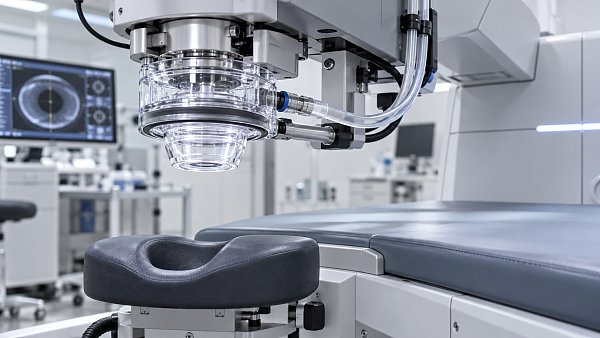
Femtosecond laser systems can improve workflow when planning, docking, and transfer processes are tightly controlled.
They are used for corneal flaps, cataract capsulotomy, lens fragmentation, and astigmatic incisions.
The delay advantage comes from predictable incision geometry and reduced manual variability.
However, lasers can add time if docking failure or room transfer is poorly designed.
Therefore, these ophthalmic surgical devices should be assessed with realistic patient movement data.
Laser planning software should connect smoothly with biometry, topography, and surgical scheduling records.
When data entry is duplicated, the benefit of advanced ophthalmic surgical devices can be diluted.
Surgical microscopes and digital visualization systems
Visualization delays often appear as repeated focusing, poor ergonomics, or inconsistent image quality.
Modern microscopes reduce these problems with motorized positioning, stable red reflex, and programmable user settings.
Digital heads-up visualization can further improve posture and team awareness during longer retinal cases.
OCT-integrated microscopes support real-time tissue assessment, especially in macular and corneal surgery.
These ophthalmic surgical devices can prevent pauses caused by uncertain depth, tissue plane, or membrane edge identification.
A microscope should also support quick draping and efficient sterile handle replacement.
Even excellent optics can slow cases if physical setup requires repeated manual adjustment.
Vitrectomy systems for retinal procedure reliability
Retinal surgery often faces greater schedule variability than routine cataract lists.
Case complexity, tamponade selection, endolaser use, and instrument exchange can extend procedure duration.
High-performance vitrectomy platforms reduce delays through integrated illumination, controlled infusion, and stable cut rates.
Combined fluidics and pneumatic control help maintain chamber stability during delicate maneuvers.
Among ophthalmic surgical devices, vitrectomy systems should be judged by setup reliability and accessory coordination.
Endolaser probes, cutters, forceps, scissors, and chandelier lighting must be immediately available.
Poor accessory layout creates unnecessary search time during critical surgical phases.
Sterilization-compatible sets and infection-control readiness
Instrument reprocessing is one of the most underestimated drivers of ophthalmic OR delay.
Fine cannulas, handpieces, lenses, and micro-forceps require careful cleaning and validated sterilization cycles.
Sterilization-compatible ophthalmic surgical devices reduce bottlenecks by tolerating repeated steam or low-temperature processes.
Clear device instructions for use should match CSSD capacity and local infection-control policy.
MTIC’s infection-control focus emphasizes the link between sterile barriers and surgical productivity.
A device that is clinically excellent but difficult to reprocess may still disrupt daily throughput.
Practical selection criteria for shorter delays
Delay reduction should be evaluated before purchase, during installation, and after routine use begins.
A strong evaluation model combines clinical performance, engineering uptime, sterile processing, and consumable logistics.
Ophthalmic surgical devices should be tested under realistic case volume, not only demonstration conditions.
- Map the current delay points by procedure type.
- Measure setup, calibration, and room reset times.
- Review IFU requirements with sterilization teams.
- Confirm compatibility with imaging and scheduling systems.
- Track consumables, packs, tips, tubing, and lenses.
- Build downtime plans for critical ophthalmic surgical devices.
Training is another practical factor.
Devices with intuitive interfaces reduce dependence on a few highly experienced operators.
Remote diagnostics and preventive maintenance can also prevent late-day cancellations caused by unexpected faults.
Implementation priorities for scalable ophthalmic suites
The most efficient ophthalmic suites treat device readiness as a managed operating system.
They standardize carts, instrument sets, preference cards, backup accessories, and cleaning pathways.
Ophthalmic surgical devices then become part of a synchronized chain rather than isolated equipment.
For cataract-heavy operations, phaco platform consistency and sterile tray availability usually create the fastest gains.
For retinal operations, accessory planning and microscope-vitrectomy coordination may deliver greater impact.
For refractive workflows, data transfer and laser docking discipline are essential.
A useful next step is a device-readiness audit across three consecutive operating days.
Record every delay linked to boot-up, calibration, missing items, imaging mismatch, or sterilization release.
Then compare findings against available ophthalmic surgical devices and workflow redesign options.
MTIC supports this evidence-led view by connecting clinical finesse with infection-control discipline and equipment intelligence.
The strongest investment is not always the fastest instrument.
It is the platform that starts on time, resets predictably, and protects precision through every case.
Recommended News
 Medical Compliance Reference: U.S. Infection Control Rules vs. GuidanceUse this medical compliance reference to distinguish U.S. infection control rules from guidance, clarify OSHA, CMS, FDA and CDC roles, and identify gaps before your next audit.
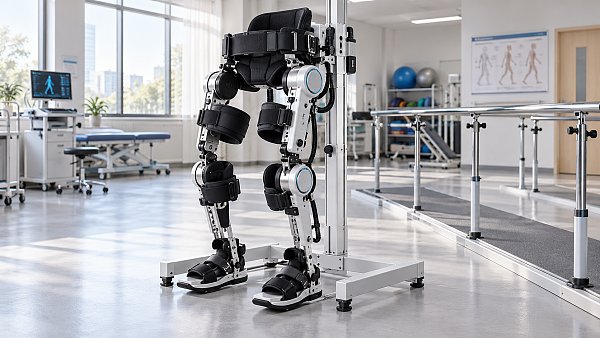
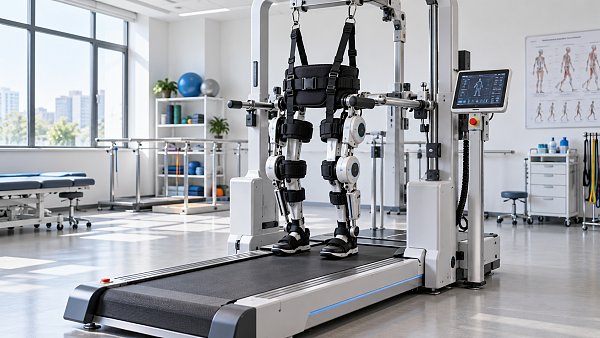
 Choosing Powered Exoskeleton Rehabilitation Devices for Post-Stroke Gait TrainingCompare powered exoskeleton rehabilitation devices for post-stroke gait training. Explore patient fit, safety, clinical evidence, and costs to choose the right system for your service.
 Commerce Ministry: Exoskeleton Sales on Key Platforms Rise 46.4% in Jan–Sep 2026Exoskeleton sales rose 46.4% on key platforms in Jan–Sep 2026, according to supplied Commerce Ministry data. Explore procurement insights and key checks for suppliers and buyers.
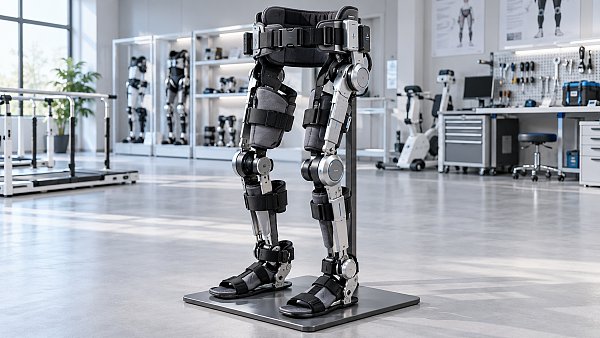
 Wearable Exoskeleton Rehabilitation Devices: Key Criteria for Gait TrainingCompare wearable exoskeleton rehabilitation devices for gait training. Discover key criteria for patient fit, safety, assistance, and clinical evidence to guide smarter selection.
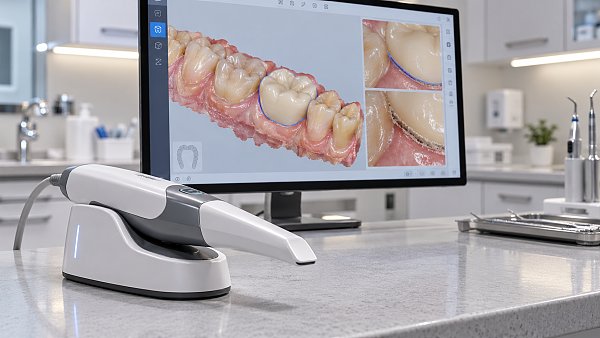
 3D Intraoral Scans Show High Specificity for Caries Around Restorations3D intraoral scans show high specificity for caries around restorations, but sensitivity varies. Explore what these findings mean for secondary caries assessment.
 Specialty Medical Equipment Specifications: Performance and Compatibility ChecksEvaluate specialty medical equipment specifications with practical performance and compatibility checks. Discover how to avoid costly mismatches and make confident hospital purchasing decisions.
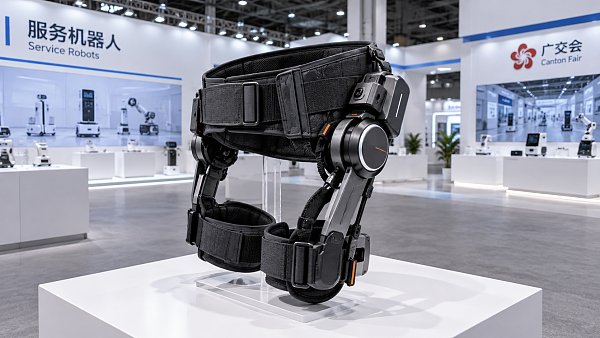
 Taixi Intelligent Exoskeleton Robot Showcased at the 140th Canton FairExplore Taixi Intelligent’s Yinyue X1 exoskeleton, reportedly showcased at the 140th Canton Fair. Discover its features and key compliance checks for overseas buyers.
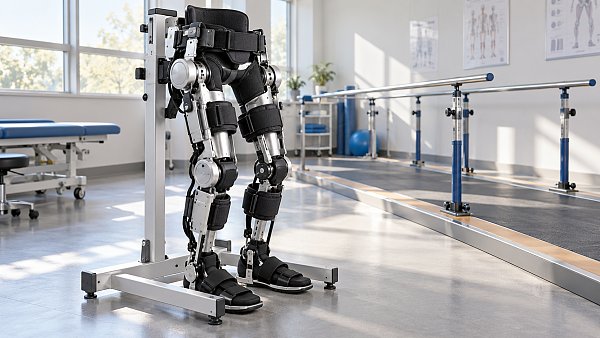
 Robotic Rehabilitation Devices: How to Evaluate Systems for Gait TrainingCompare robotic rehabilitative medical devices for gait training. Discover how to assess patient fit, safety, clinical evidence, and costs to choose the right system for your program.
 UK Confirms Indefinite Recognition of CE-Marked Medical DevicesCE-marked medical devices gain indefinite recognition in Great Britain. Discover what this means for UKCA requirements, compliance planning and long-term supply continuity.
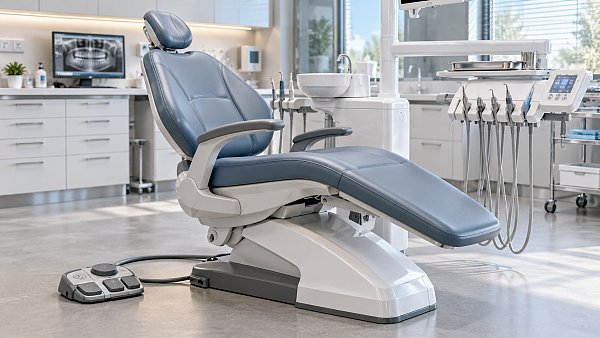
 Electric Dental Chairs: How to Assess Load Capacity, Positioning, and SafetyChoosing electric dental chair equipment? Learn how to verify load capacity, assess positioning, and check safety controls to make a confident, evidence-based purchase.
 Runyes Opens New Ningbo Plant at Global Partner SummitRunyes opens a new Ningbo plant at its 2026 Global Partner Summit. Explore what the expansion could mean for digital dental equipment, global partners, and procurement planning.
 Medical Think Tank Research for Procurement: Evidence and Bias ChecksMedical think tank procurement research: learn to verify evidence, spot bias, and assess lifecycle costs so you can turn insights into defensible hospital equipment decisions.
 Femtosecond Laser Docking: How to Troubleshoot Repeated Suction LossFemtosecond laser systems with docking: troubleshoot repeated suction loss, identify seal and vacuum issues, and explore key safety checks before another attempt. Read the guide.
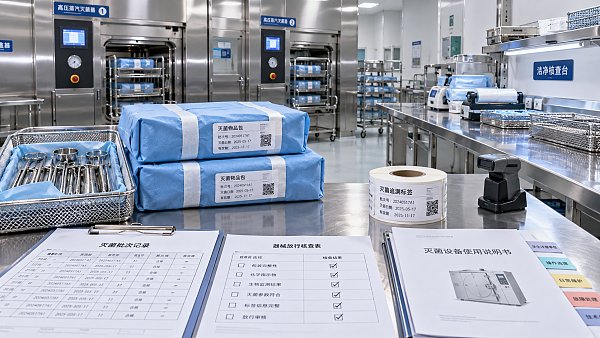
 Sterilization Standards: What Documentation Do Hospitals Need for Audits?Strengthen sterilization compliance standards documentation with essential audit records, monitoring evidence, and traceability guidance. Discover how to prepare your hospital for audits.
 Hospital Disinfection System Manufacturers: Efficacy Evidence Buyers Should RequestChoosing a hospital disinfection systems manufacturer? Discover the efficacy reports, safety records, and site trials to request to verify claims and buy with confidence.
 Optical Diffraction Limits Explained: How Wavelength and NA Set ResolutionOptical diffraction limits explained: Learn how wavelength and NA shape resolution, compare optical specifications confidently, and spot misleading claims before choosing imaging equipment.
 Dialysis Center Equipment Checklist: What to Buy Before OpeningExplore end stage renal disease equipment for dialysis centers with an opening checklist for machines, water systems, and supplies. Plan smarter purchases and avoid costly startup delays.
 Dental Clinic Infection Control: Daily Checks for Instruments and SurfacesExplore infection control solutions for dental clinics with practical daily checks for instruments, sterilization, and surfaces. Learn how to spot failures and strengthen patient safety.
 Focused vs. Radial Shockwave Equipment: Clinical Uses and Selection CriteriaExplore this therapeutic equipment comparison of focused vs. radial shockwave systems. Compare clinical uses, targeting, evidence, and costs to choose the right fit for your clinic.
 What Is Driving Demand for Elderly Care Equipment in Home and Facility Settings?Elderly care equipment demand is rising as home care, staff shortages, chronic disease, and safety needs reshape buying decisions. Discover the trends driving smarter care.
 How to Evaluate a Dental Equipment Supplier Before Equipping a New ClinicDental equipment supplier evaluation made simple: compare workflow fit, installation, infection control, digital integration, service support, and total ownership costs before opening your clinic.









Global Trade Insights & Industry
Our mission is to empower global exporters and importers with data-driven insights that foster strategic growth.
Search News
Popular Tags
Industry Overview
The global commercial kitchen equipment market is projected to reach $112 billion by 2027. Driven by urbanization, the rise of e-commerce food delivery, and strict hygiene regulations.