 Get Insights


FDA Mandates Multi-Ethnic Training Data for Cataract Surgery AI Software
A new U.S. Food and Drug Administration (FDA) guidance—released on May 27, 2026, and set to take effect December 1, 2026—requires artificial intelligence software used in phacoemulsification systems for cataract surgery to be trained on clinical imaging data from no fewer than three racial groups, including Asian, Black, and Hispanic populations. This development directly affects medical device manufacturers, regulatory affairs teams, and international market access strategists operating in ophthalmology, AI/ML-based SaMD, and global surgical equipment trade.
Event Overview
On May 27, 2026, the FDA published the draft guidance titled Draft Guidance: AI/ML-Based Software as a Medical Device for Cataract Surgery>. It specifies that any AI software intended for use with phacoemulsification systems—and submitted via the 510(k) or De Novo regulatory pathways—must be trained on preoperative optical coherence tomography (OCT) and intraoperative video imaging datasets comprising at least three racial groups (Asian, Black, and Hispanic). Within each group, sample sizes must not deviate by more than ±15% relative to the overall dataset distribution. The requirement becomes mandatory on December 1, 2026.
Industries Affected
Medical Device Manufacturers (Ophthalmic Equipment)
Manufacturers developing or commercializing phacoemulsification systems with integrated AI modules—including those based in China and other export-oriented regions—are directly impacted. Compliance requires re-evaluation of existing training datasets and potential retraining or augmentation prior to U.S. submission. Non-compliant datasets may delay or prevent 510(k)/De Novo clearance.
AI/ML Software Developers (SaMD Providers)
Firms providing standalone or embedded AI software for cataract surgery decision support, image analysis, or real-time guidance must verify demographic representation in their clinical validation cohorts. The guidance applies regardless of whether the software is bundled with hardware or distributed separately as Software as a Medical Device (SaMD).
Regulatory Affairs & Clinical Affairs Teams
These functions face increased documentation and audit burden. Submissions must now include detailed demographic breakdowns of training and validation data, along with justification for representativeness and bias mitigation strategies. Cross-functional alignment between engineering, clinical, and regulatory units becomes essential.
Global Market Access & Trade Strategy Units
For companies targeting U.S. market entry—especially those whose current AI models rely predominantly on single-population datasets—the timeline to December 1, 2026, introduces a hard deadline for data remediation. This may compress timelines for clinical data acquisition, ethics approvals, and third-party annotation partnerships outside the U.S.
What Stakeholders Should Monitor and Do Now
Track official finalization status and implementation clarifications
The guidance remains in draft form. Stakeholders should monitor FDA’s public docket for comments, revisions, and the eventual final version—expected before December 2026. Final language may clarify definitions of ‘racial group’, acceptable proxies for representation (e.g., geographic origin vs. self-identification), or transitional provisions.
Assess current AI training datasets against the three-group requirement
Manufacturers should conduct an internal audit of all OCT and intraoperative video datasets used in model development. Focus areas include: (i) documented race/ethnicity labels; (ii) sample count per group; (iii) consistency of imaging protocols across sites/populations. Gaps will require targeted data collection or collaboration with multi-center clinical partners.
Distinguish policy signal from immediate operational impact
This requirement applies only to submissions made on or after December 1, 2026. Applications filed earlier are not retroactively subject to it—but FDA may request additional evidence if demographic imbalance raises concerns during review. Companies should avoid assuming grandfathering and instead treat the date as a de facto baseline for all new development cycles.
Prepare cross-border data governance and IRB alignment
Acquiring representative data often involves multi-country clinical sites. Teams must ensure compliance with local privacy laws (e.g., GDPR, China’s PIPL), institutional review board (IRB) approvals, and data transfer mechanisms. Early engagement with ethics committees and data custodians—particularly in Asia and Latin America—is advised to avoid bottlenecks.
Editorial Perspective / Industry Observation
Observably, this guidance reflects a broader FDA shift toward algorithmic equity as a regulatory prerequisite—not just a best practice. While previous SaMD guidances emphasized performance validation, this mandate explicitly ties technical validity to demographic inclusivity. Analysis shows the rule is less about immediate enforcement action and more about establishing an enduring expectation: AI tools intended for diverse U.S. patient populations must demonstrate foundational representativeness before review begins. From an industry perspective, it signals that regulatory strategy for AI-driven ophthalmic devices can no longer be decoupled from clinical diversity planning. Continuous monitoring is warranted—not only for updates to this guidance, but also for analogous requirements likely to emerge in other therapeutic areas (e.g., dermatology, cardiology) where skin tone, ancestry, or physiological variation affects algorithmic output.

Conclusion
This FDA requirement marks a structural inflection point for AI-enabled cataract surgery tools. It does not introduce new clinical endpoints or safety thresholds, but rather redefines what constitutes minimally sufficient evidence for regulatory submission. For stakeholders, it is best understood not as a one-time compliance hurdle, but as an indicator of evolving expectations around responsible AI development in regulated healthcare environments. Current readiness depends less on technical capability than on proactive data governance, transparent cohort reporting, and early-stage integration of diversity criteria into AI lifecycle planning.
Source Information:
U.S. Food and Drug Administration (FDA), Draft Guidance: AI/ML-Based Software as a Medical Device for Cataract Surgery (issued May 27, 2026); effective date: December 1, 2026.
Note: The guidance remains in draft form; final publication date and potential modifications are under active observation.
Recommended News
 Medical Compliance Reference: U.S. Infection Control Rules vs. GuidanceUse this medical compliance reference to distinguish U.S. infection control rules from guidance, clarify OSHA, CMS, FDA and CDC roles, and identify gaps before your next audit.
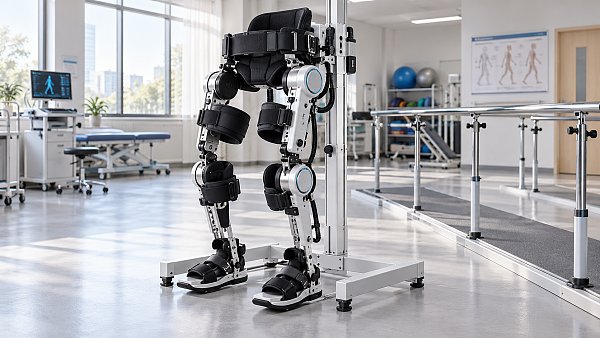
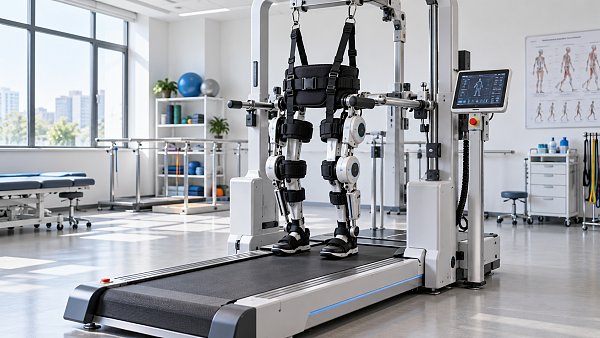
 Choosing Powered Exoskeleton Rehabilitation Devices for Post-Stroke Gait TrainingCompare powered exoskeleton rehabilitation devices for post-stroke gait training. Explore patient fit, safety, clinical evidence, and costs to choose the right system for your service.
 Commerce Ministry: Exoskeleton Sales on Key Platforms Rise 46.4% in Jan–Sep 2026Exoskeleton sales rose 46.4% on key platforms in Jan–Sep 2026, according to supplied Commerce Ministry data. Explore procurement insights and key checks for suppliers and buyers.
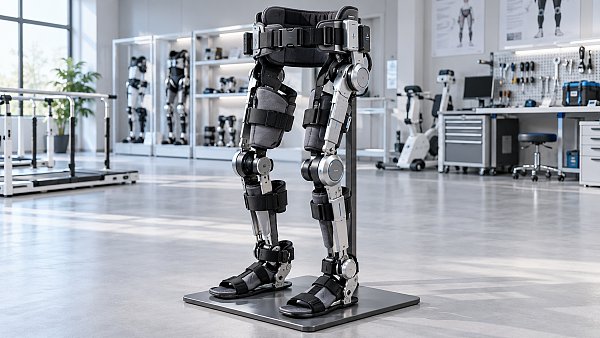
 Wearable Exoskeleton Rehabilitation Devices: Key Criteria for Gait TrainingCompare wearable exoskeleton rehabilitation devices for gait training. Discover key criteria for patient fit, safety, assistance, and clinical evidence to guide smarter selection.
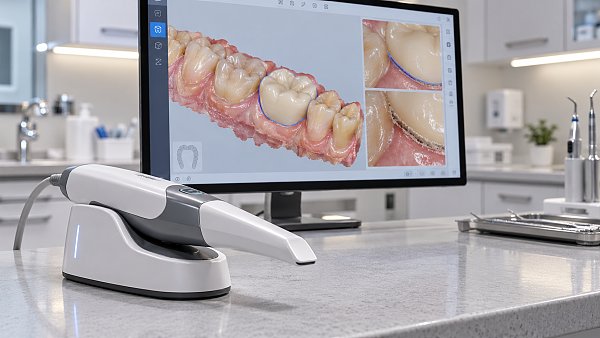
 3D Intraoral Scans Show High Specificity for Caries Around Restorations3D intraoral scans show high specificity for caries around restorations, but sensitivity varies. Explore what these findings mean for secondary caries assessment.
 Specialty Medical Equipment Specifications: Performance and Compatibility ChecksEvaluate specialty medical equipment specifications with practical performance and compatibility checks. Discover how to avoid costly mismatches and make confident hospital purchasing decisions.
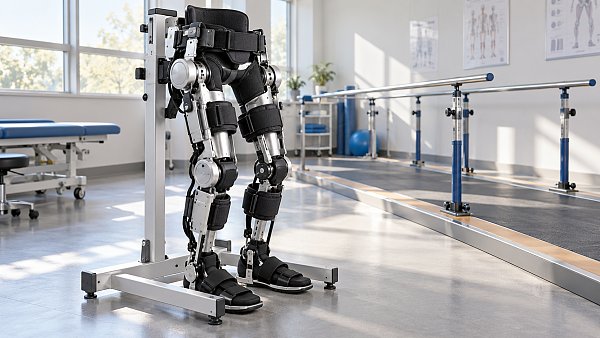
 Taixi Intelligent Exoskeleton Robot Showcased at the 140th Canton FairExplore Taixi Intelligent’s Yinyue X1 exoskeleton, reportedly showcased at the 140th Canton Fair. Discover its features and key compliance checks for overseas buyers.
 Robotic Rehabilitation Devices: How to Evaluate Systems for Gait TrainingCompare robotic rehabilitative medical devices for gait training. Discover how to assess patient fit, safety, clinical evidence, and costs to choose the right system for your program.
 UK Confirms Indefinite Recognition of CE-Marked Medical DevicesCE-marked medical devices gain indefinite recognition in Great Britain. Discover what this means for UKCA requirements, compliance planning and long-term supply continuity.
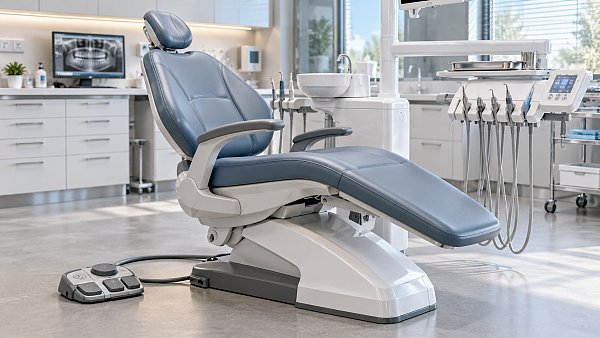
 Electric Dental Chairs: How to Assess Load Capacity, Positioning, and SafetyChoosing electric dental chair equipment? Learn how to verify load capacity, assess positioning, and check safety controls to make a confident, evidence-based purchase.
 Runyes Opens New Ningbo Plant at Global Partner SummitRunyes opens a new Ningbo plant at its 2026 Global Partner Summit. Explore what the expansion could mean for digital dental equipment, global partners, and procurement planning.
 Medical Think Tank Research for Procurement: Evidence and Bias ChecksMedical think tank procurement research: learn to verify evidence, spot bias, and assess lifecycle costs so you can turn insights into defensible hospital equipment decisions.
 Femtosecond Laser Docking: How to Troubleshoot Repeated Suction LossFemtosecond laser systems with docking: troubleshoot repeated suction loss, identify seal and vacuum issues, and explore key safety checks before another attempt. Read the guide.
 Sterilization Standards: What Documentation Do Hospitals Need for Audits?Strengthen sterilization compliance standards documentation with essential audit records, monitoring evidence, and traceability guidance. Discover how to prepare your hospital for audits.
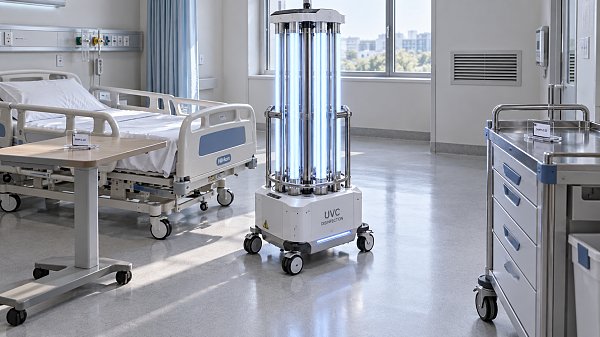
 Hospital Disinfection System Manufacturers: Efficacy Evidence Buyers Should RequestChoosing a hospital disinfection systems manufacturer? Discover the efficacy reports, safety records, and site trials to request to verify claims and buy with confidence.
 Optical Diffraction Limits Explained: How Wavelength and NA Set ResolutionOptical diffraction limits explained: Learn how wavelength and NA shape resolution, compare optical specifications confidently, and spot misleading claims before choosing imaging equipment.
 Dialysis Center Equipment Checklist: What to Buy Before OpeningExplore end stage renal disease equipment for dialysis centers with an opening checklist for machines, water systems, and supplies. Plan smarter purchases and avoid costly startup delays.
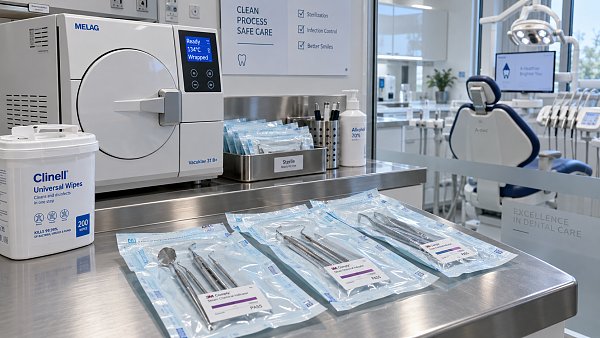
 Dental Clinic Infection Control: Daily Checks for Instruments and SurfacesExplore infection control solutions for dental clinics with practical daily checks for instruments, sterilization, and surfaces. Learn how to spot failures and strengthen patient safety.
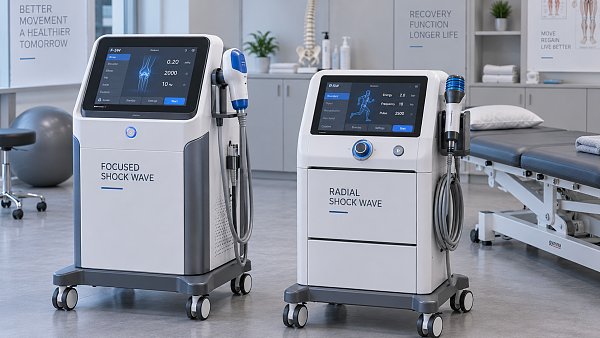
 Focused vs. Radial Shockwave Equipment: Clinical Uses and Selection CriteriaExplore this therapeutic equipment comparison of focused vs. radial shockwave systems. Compare clinical uses, targeting, evidence, and costs to choose the right fit for your clinic.
 What Is Driving Demand for Elderly Care Equipment in Home and Facility Settings?Elderly care equipment demand is rising as home care, staff shortages, chronic disease, and safety needs reshape buying decisions. Discover the trends driving smarter care.
 How to Evaluate a Dental Equipment Supplier Before Equipping a New ClinicDental equipment supplier evaluation made simple: compare workflow fit, installation, infection control, digital integration, service support, and total ownership costs before opening your clinic.











Global Trade Insights & Industry
Our mission is to empower global exporters and importers with data-driven insights that foster strategic growth.
Search News
Popular Tags
Industry Overview
The global commercial kitchen equipment market is projected to reach $112 billion by 2027. Driven by urbanization, the rise of e-commerce food delivery, and strict hygiene regulations.