 Get Insights


SASO Tightens RO System Requirements for Medical Use in Saudi Arabia
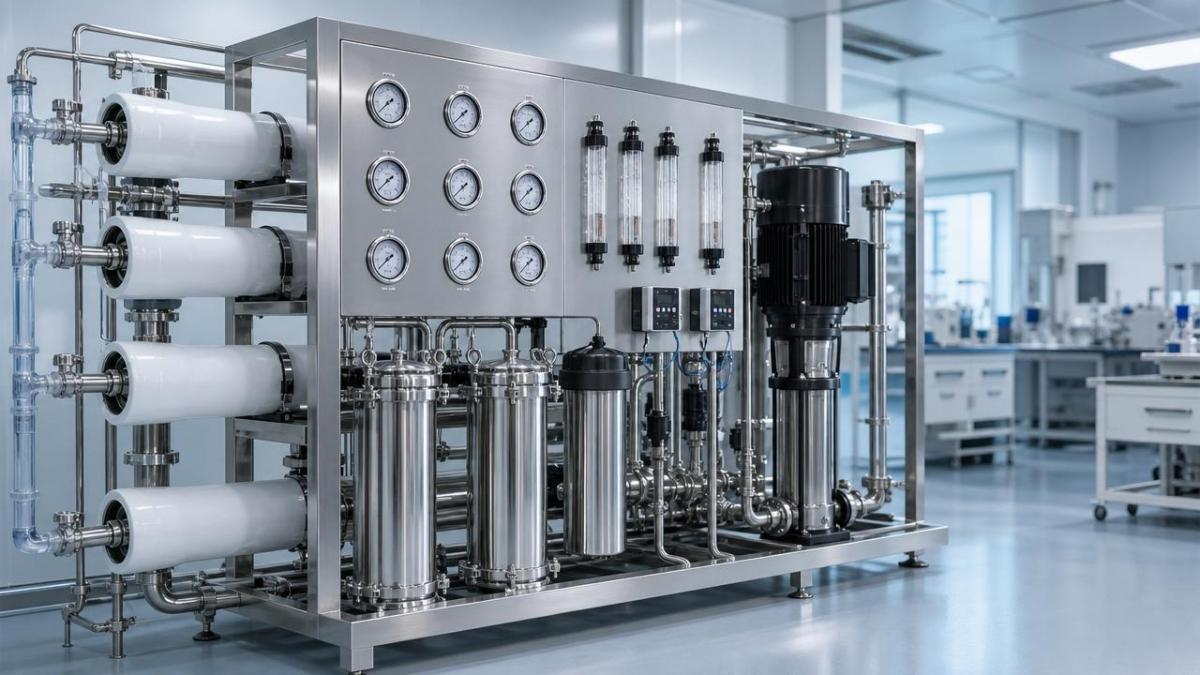
Saudi Arabia’s Standards, Metrology and Quality Organization (SASO) issued the revised SASO IEC 60601-2-62:2026 standard on 28 May 2026, introducing mandatory new performance and safety requirements for medical-grade reverse osmosis (RO) water systems destined for export to the Kingdom. The update directly impacts manufacturers, exporters, and healthcare infrastructure suppliers, reflecting heightened regulatory focus on water purity for hemodialysis applications.
Key Regulatory Changes Effective Immediately
The SASO IEC 60601-2-62:2026 revision mandates two new core verification tests for all medical RO systems prior to market access:
- Stable water production rate under ≥95% salt rejection over a continuous 72-hour operational cycle;
- Total organic carbon (TOC) concentration in final product water ≤100 ppb at point of use.
Legacy certifications issued under previous versions of the standard are no longer valid as of 28 May 2026. Certified manufacturers must complete re-evaluation and obtain updated certification by 30 November 2026.
Impact Across the Medical Water Equipment Value Chain
Exporters and Distributors
These firms face immediate compliance risk: shipments without valid SASO IEC 60601-2-62:2026 certification will be rejected at Saudi ports. Pre-shipment testing documentation—including full 72-hour stability logs and accredited TOC reports—must now be included in customs and tender submissions.
Raw Material and Component Suppliers
Suppliers of critical subsystems—such as high-rejection membranes, low-leaching tubing, and TOC-resistant storage tanks—must verify material compatibility with the new stability and contamination thresholds. Certifications for components may now need traceability to TOC control protocols.
Manufacturers and System Integrators
Production lines require recalibration for sustained output consistency; automated monitoring systems must log real-time flow, pressure, conductivity, and TOC data for validation. Design validation now includes extended durability testing beyond nominal duty cycles.
Aftermarket and Compliance Support Providers
Service providers offering SASO certification support, third-party testing coordination, or technical documentation review must update their checklists and reporting templates to cover both new test parameters—and ensure alignment with SASO-accredited laboratories in GCC or internationally recognized bodies (e.g., ILAC-MRA signatories).
Priority Actions for Affected Enterprises
Immediate Certification Gap Assessment
Review existing SASO certificates against the 2026 revision’s scope and test clauses. Identify which models require full retesting versus partial updates—especially those previously certified without TOC or long-duration stability validation.
Verification of Testing Infrastructure and Lab Accreditation
Confirm that internal or contracted labs possess SASO-recognized accreditation for TOC analysis (per ISO 8573-7 or equivalent) and can perform 72-hour uninterrupted operational validation under ≥95% desalination conditions.
Revision of Technical Documentation and Tender Submissions
Update user manuals, installation guides, and technical bids to explicitly declare compliance with SASO IEC 60601-2-62:2026—including test methodology summaries, pass/fail criteria, and calibration traceability for TOC sensors and flow meters.
Supplier Qualification Alignment
Require Tier-1 component vendors (e.g., membrane suppliers, pump OEMs, sensor manufacturers) to provide declarations of conformity addressing TOC leaching potential and long-term output stability under specified operating conditions.
Industry Observation: Beyond Compliance Toward Clinical Risk Mitigation
Analysis shows this revision reflects a strategic shift—from energy efficiency and basic safety toward clinical outcome assurance. By anchoring requirements to hemodialysis water quality standards (e.g., AAMI/ISO 13959), SASO is effectively integrating device regulation with patient safety governance. Observably, the 100 ppb TOC limit aligns closely with global best practices for reducing biofilm formation and endotoxin generation in dialysate circuits. What deserves closer attention is the implied expectation for manufacturers to demonstrate system-level contamination control—not just component-level specifications. This elevates design validation from functional testing to clinical process reliability assessment.
Strategic Implications for Global Suppliers
This update signals a broader trend: Gulf Cooperation Council (GCC) regulators are increasingly harmonizing medical device standards with ISO and IEC frameworks—but adding localized operational validation layers. For Chinese and other non-GCC RO system exporters, the revised SASO requirement represents more than a technical hurdle—it marks a transition toward clinical-grade accountability in water treatment equipment. Success hinges not only on passing tests but on embedding traceable, auditable quality controls across R&D, sourcing, manufacturing, and post-market surveillance.
Source Transparency and Ongoing Monitoring
This article is generated exclusively from the user-provided title, event date (28 May 2026), and summary text. Specific official source links were not provided in the input and should be verified continuously. Stakeholders are advised to monitor SASO’s official portal for implementation guidance, laboratory recognition updates, transitional arrangements, and any clarifications regarding test protocol interpretation—particularly concerning TOC sampling methodology and acceptance criteria for intermittent system operation scenarios.
Recommended News
 Medical Compliance Reference: U.S. Infection Control Rules vs. GuidanceUse this medical compliance reference to distinguish U.S. infection control rules from guidance, clarify OSHA, CMS, FDA and CDC roles, and identify gaps before your next audit.
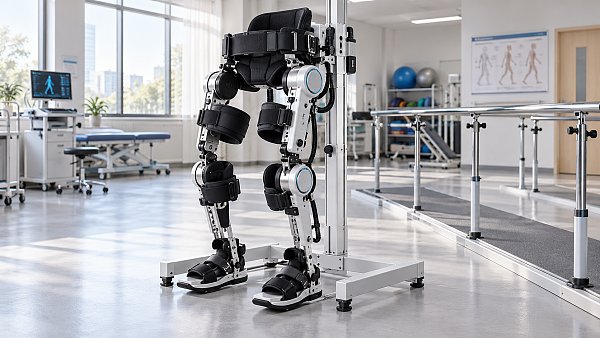
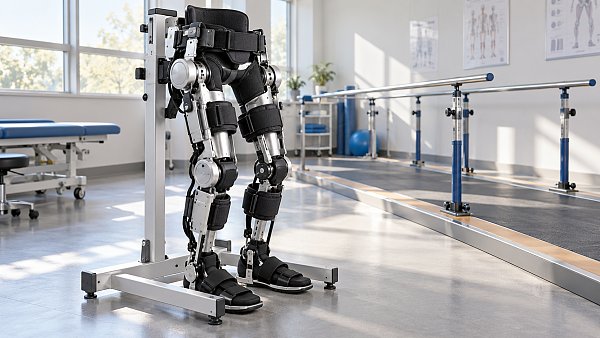
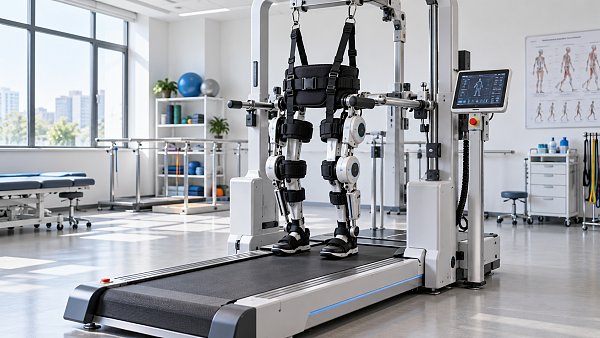
 Choosing Powered Exoskeleton Rehabilitation Devices for Post-Stroke Gait TrainingCompare powered exoskeleton rehabilitation devices for post-stroke gait training. Explore patient fit, safety, clinical evidence, and costs to choose the right system for your service.
 Commerce Ministry: Exoskeleton Sales on Key Platforms Rise 46.4% in Jan–Sep 2026Exoskeleton sales rose 46.4% on key platforms in Jan–Sep 2026, according to supplied Commerce Ministry data. Explore procurement insights and key checks for suppliers and buyers.
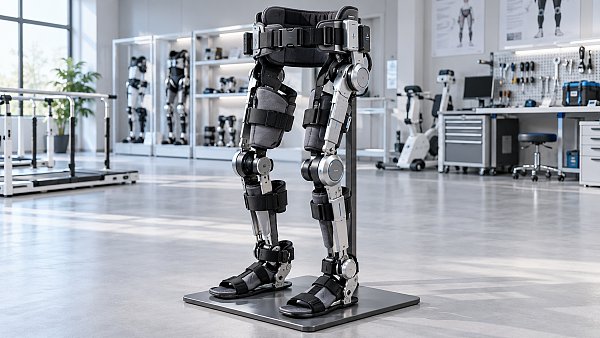
 Wearable Exoskeleton Rehabilitation Devices: Key Criteria for Gait TrainingCompare wearable exoskeleton rehabilitation devices for gait training. Discover key criteria for patient fit, safety, assistance, and clinical evidence to guide smarter selection.
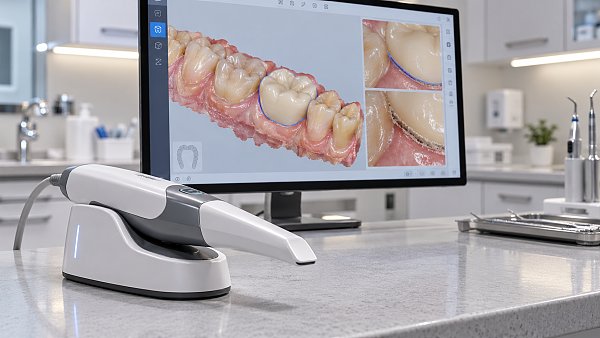
 3D Intraoral Scans Show High Specificity for Caries Around Restorations3D intraoral scans show high specificity for caries around restorations, but sensitivity varies. Explore what these findings mean for secondary caries assessment.
 Specialty Medical Equipment Specifications: Performance and Compatibility ChecksEvaluate specialty medical equipment specifications with practical performance and compatibility checks. Discover how to avoid costly mismatches and make confident hospital purchasing decisions.
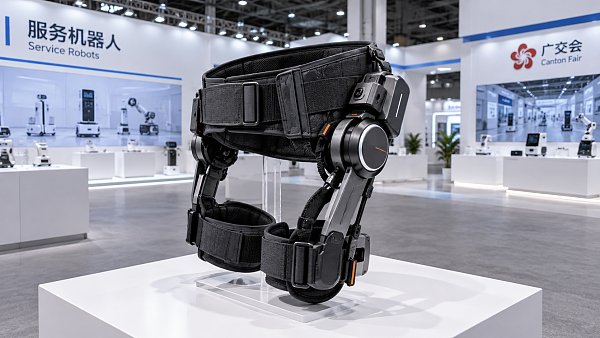
 Taixi Intelligent Exoskeleton Robot Showcased at the 140th Canton FairExplore Taixi Intelligent’s Yinyue X1 exoskeleton, reportedly showcased at the 140th Canton Fair. Discover its features and key compliance checks for overseas buyers.
 Robotic Rehabilitation Devices: How to Evaluate Systems for Gait TrainingCompare robotic rehabilitative medical devices for gait training. Discover how to assess patient fit, safety, clinical evidence, and costs to choose the right system for your program.
 UK Confirms Indefinite Recognition of CE-Marked Medical DevicesCE-marked medical devices gain indefinite recognition in Great Britain. Discover what this means for UKCA requirements, compliance planning and long-term supply continuity.
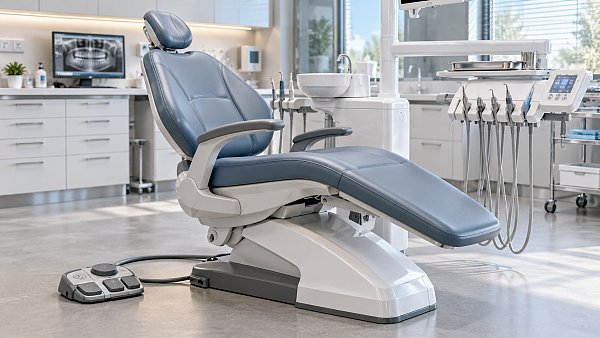
 Electric Dental Chairs: How to Assess Load Capacity, Positioning, and SafetyChoosing electric dental chair equipment? Learn how to verify load capacity, assess positioning, and check safety controls to make a confident, evidence-based purchase.
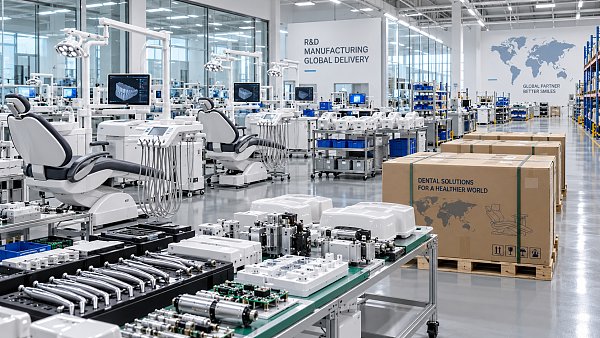
 Runyes Opens New Ningbo Plant at Global Partner SummitRunyes opens a new Ningbo plant at its 2026 Global Partner Summit. Explore what the expansion could mean for digital dental equipment, global partners, and procurement planning.
 Medical Think Tank Research for Procurement: Evidence and Bias ChecksMedical think tank procurement research: learn to verify evidence, spot bias, and assess lifecycle costs so you can turn insights into defensible hospital equipment decisions.
 Femtosecond Laser Docking: How to Troubleshoot Repeated Suction LossFemtosecond laser systems with docking: troubleshoot repeated suction loss, identify seal and vacuum issues, and explore key safety checks before another attempt. Read the guide.
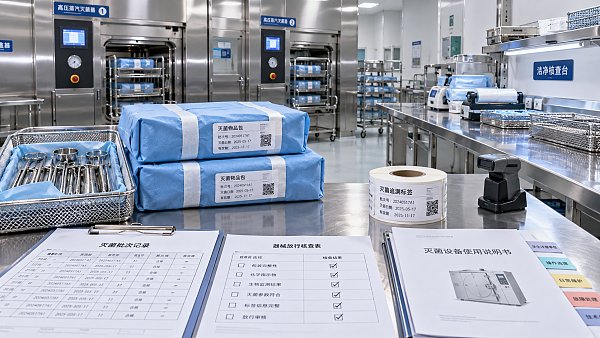
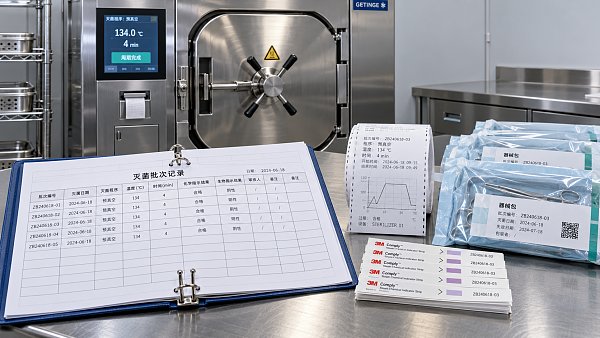
 Sterilization Standards: What Documentation Do Hospitals Need for Audits?Strengthen sterilization compliance standards documentation with essential audit records, monitoring evidence, and traceability guidance. Discover how to prepare your hospital for audits.
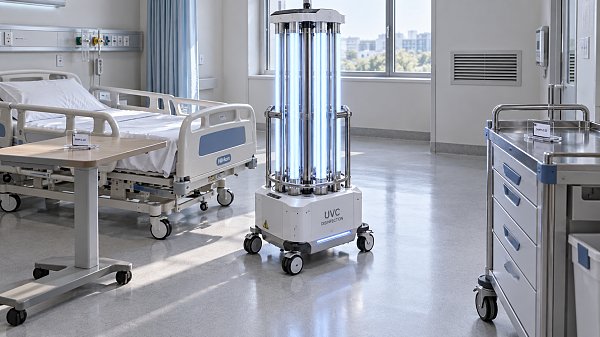
 Hospital Disinfection System Manufacturers: Efficacy Evidence Buyers Should RequestChoosing a hospital disinfection systems manufacturer? Discover the efficacy reports, safety records, and site trials to request to verify claims and buy with confidence.
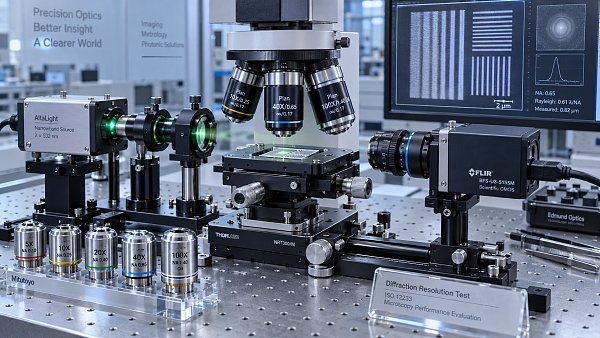
 Optical Diffraction Limits Explained: How Wavelength and NA Set ResolutionOptical diffraction limits explained: Learn how wavelength and NA shape resolution, compare optical specifications confidently, and spot misleading claims before choosing imaging equipment.
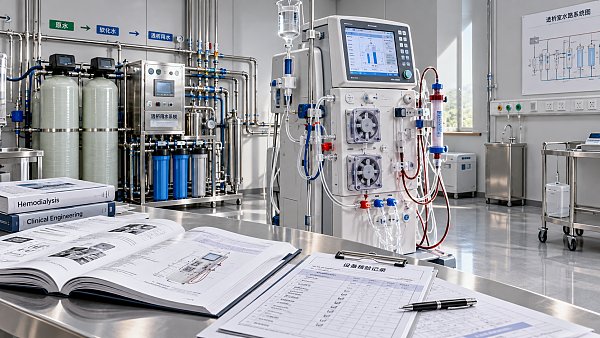
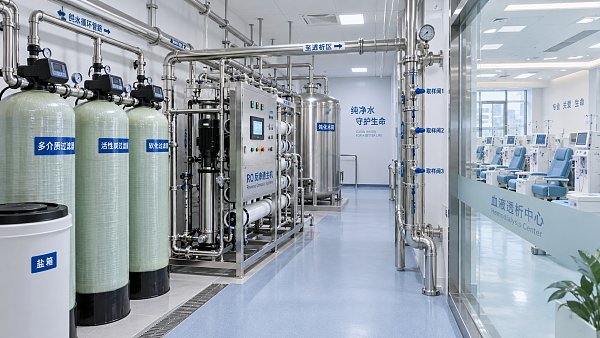
 Dialysis Center Equipment Checklist: What to Buy Before OpeningExplore end stage renal disease equipment for dialysis centers with an opening checklist for machines, water systems, and supplies. Plan smarter purchases and avoid costly startup delays.
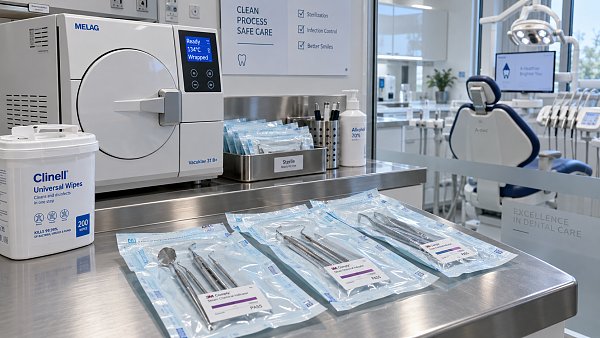
 Dental Clinic Infection Control: Daily Checks for Instruments and SurfacesExplore infection control solutions for dental clinics with practical daily checks for instruments, sterilization, and surfaces. Learn how to spot failures and strengthen patient safety.
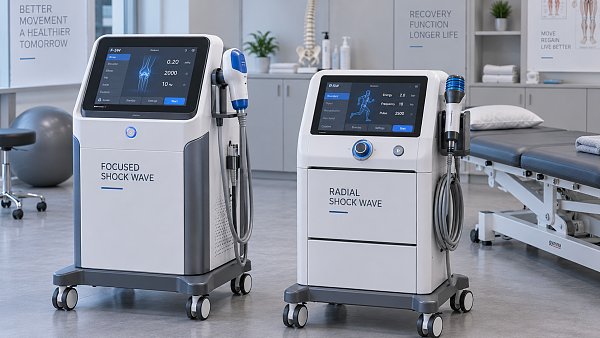
 Focused vs. Radial Shockwave Equipment: Clinical Uses and Selection CriteriaExplore this therapeutic equipment comparison of focused vs. radial shockwave systems. Compare clinical uses, targeting, evidence, and costs to choose the right fit for your clinic.
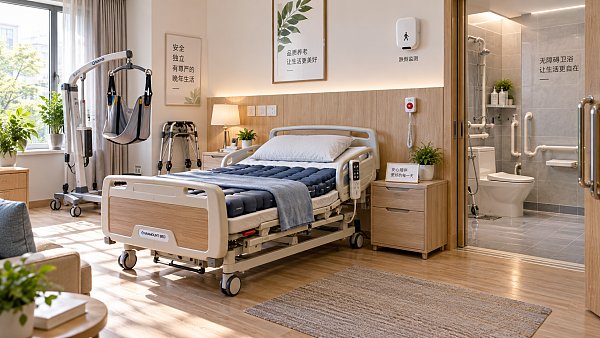
 What Is Driving Demand for Elderly Care Equipment in Home and Facility Settings?Elderly care equipment demand is rising as home care, staff shortages, chronic disease, and safety needs reshape buying decisions. Discover the trends driving smarter care.
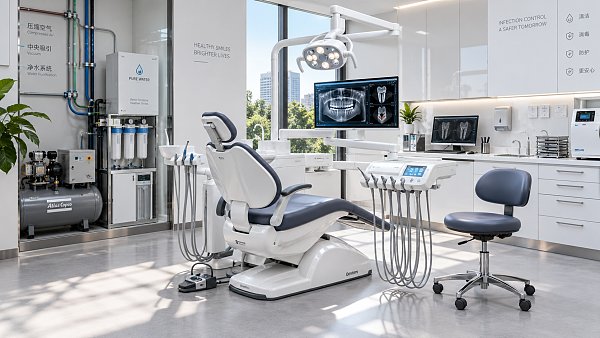
 How to Evaluate a Dental Equipment Supplier Before Equipping a New ClinicDental equipment supplier evaluation made simple: compare workflow fit, installation, infection control, digital integration, service support, and total ownership costs before opening your clinic.


Global Trade Insights & Industry
Our mission is to empower global exporters and importers with data-driven insights that foster strategic growth.
Search News
Popular Tags
Industry Overview
The global commercial kitchen equipment market is projected to reach $112 billion by 2027. Driven by urbanization, the rise of e-commerce food delivery, and strict hygiene regulations.