 Get Insights


Vietnam Mandates Chemical Disclosure for H₂O₂ Sterilization Equipment
Vietnam’s Ministry of Health introduced new regulatory requirements effective 1 August 2026, significantly tightening transparency and compliance obligations for medical sterilization equipment imported into the country—particularly low-temperature systems relying on hydrogen peroxide (H₂O₂) chemistry.
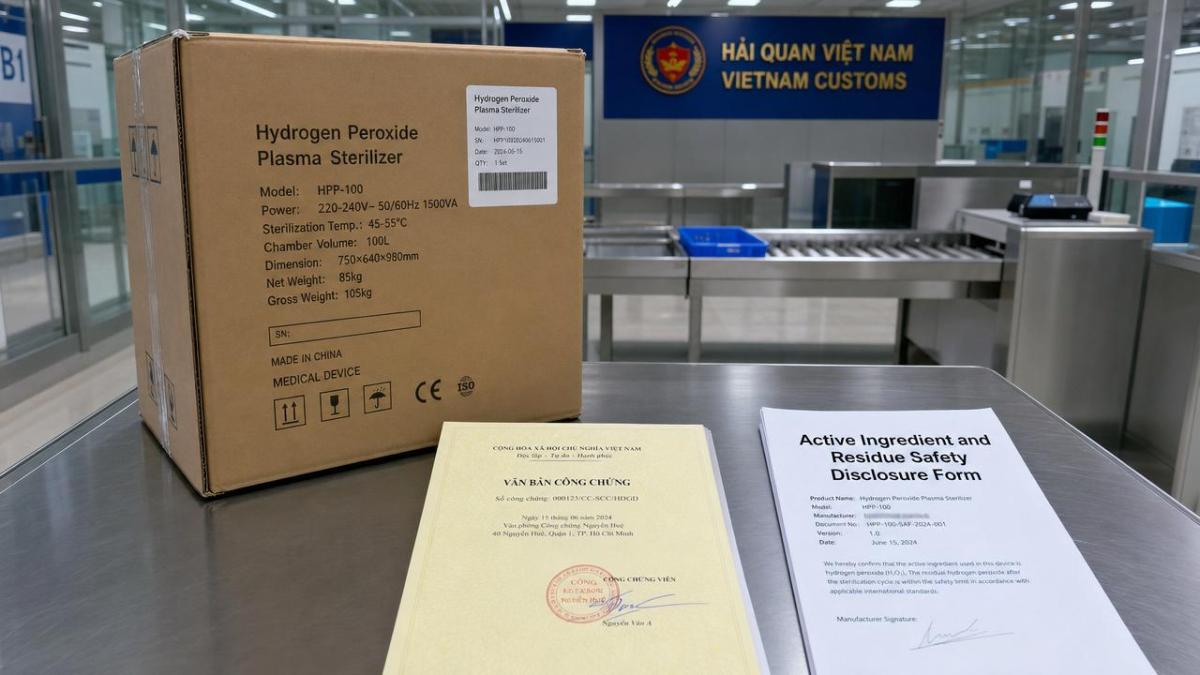
New Regulatory Framework Takes Effect
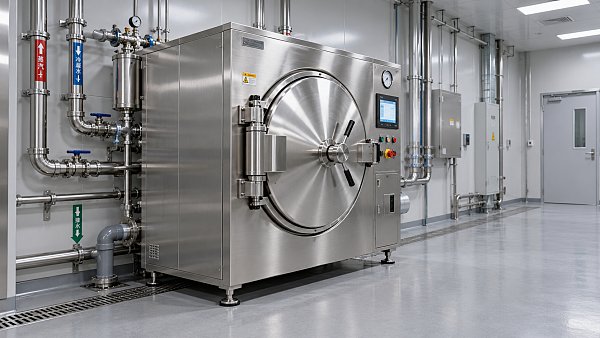
On 27 May 2026, Vietnam’s Ministry of Health issued Circular 18/2026/TT-BYT, mandating that all imports of H₂O₂ plasma sterilizers, vacuum autoclaves, and associated consumables must, from 1 August 2026 onward, be accompanied at customs clearance by a notarized Vietnamese translation of the Active Ingredient and Residue Safety Disclosure Form. This form must explicitly declare the concentration of H₂O₂, catalyst type used in the sterilization process, and maximum permissible residue limits post-cycle. Shipments lacking this document—or containing inaccurate, incomplete, or unverified disclosures—will be rejected or destroyed. Notably, this is the first time Vietnam has formally linked regulatory oversight of sterilization devices with their chemical formulations.
Impact Across the Healthcare Equipment Value Chain
Exporters and Importers
Direct trade enterprises face immediate operational adjustments: customs documentation now requires bilingual (original + certified Vietnamese) technical disclosure forms, increasing lead time for shipment preparation and raising reliance on local regulatory consultants or in-country representatives for notarization and submission.
Raw Material and Consumables Suppliers
Suppliers of H₂O₂ solutions, catalysts, and sterilization cartridges must now provide full, verifiable chemical specifications—including batch-specific concentration data and validated residue profiles—to equipment manufacturers and exporters, as these details become part of mandatory import filings.
Medical Device Manufacturers
Manufacturers integrating H₂O₂-based sterilization modules must revise technical documentation packages to include standardized residue safety data and ensure traceability between device models and compatible chemical formulations—effectively binding hardware and chemistry in regulatory submissions.
Logistics and Regulatory Support Providers
Supply chain service enterprises—including customs brokers, regulatory affairs firms, and translation-notarization specialists—will see rising demand for end-to-end compliance support, especially for dossier preparation, Vietnamese-language certification, and pre-clearance verification of disclosure accuracy.
Key Compliance Actions for Affected Companies
Update Technical Documentation Protocols
Ensure internal technical files include standardized, test-validated data on H₂O₂ concentration, catalyst composition, and post-sterilization residue levels—formatted for direct inclusion in the mandatory disclosure form.
Verify Translation and Notarization Readiness
Establish partnerships with certified Vietnamese translation services and notary publics accredited by Vietnamese authorities to avoid delays during customs clearance.
Align Device–Chemistry Compatibility Statements
Revise product labeling, user manuals, and regulatory dossiers to explicitly reference approved chemical formulations and corresponding residue safety thresholds—supporting the new ‘device–reagent’ binding requirement.
Review Export Schedules and Lead Times
Factor in additional 5–10 business days for document preparation, translation, notarization, and pre-submission validation before planned shipments to Vietnam.
Trend Implications: From Transparency to Integrated Oversight
Analysis shows Vietnam is shifting from component-level conformity assessment toward system-level regulatory accountability—where sterilization efficacy and patient safety are evaluated holistically across device hardware, chemical reagents, and residual risk. Observably, this mirrors broader ASEAN trends toward harmonized infection prevention standards, but with distinctive emphasis on chemical traceability. It is more appropriate to understand this as an early indicator of stricter lifecycle governance for critical care technologies—not just in registration, but throughout supply, deployment, and post-market surveillance. What deserves closer attention is how this may catalyze regional alignment on sterilant disclosure norms, potentially influencing neighboring markets’ future policy development.
Strategic Takeaway for Industry Stakeholders
This regulation marks a structural pivot: chemical composition is no longer ancillary information but a core, enforceable element of market access for sterilization equipment in Vietnam. While not introducing new safety thresholds, it elevates documentation rigor, cross-functional coordination, and supply chain transparency to prerequisite status. Success hinges less on technical capability alone—and more on integrated compliance execution across R&D, regulatory affairs, manufacturing, and logistics teams.
Source Attribution and Ongoing Monitoring
This article was generated based solely on the provided title, event date (1 August 2026), and summary of Circular 18/2026/TT-BYT issued by Vietnam’s Ministry of Health on 27 May 2026. Specific official source links were not provided in the input and should be verified continuously. Stakeholders are advised to monitor upcoming guidance documents from Vietnam’s Drug Administration (DAV) and General Department of Vietnam Customs regarding implementation procedures, accepted formats for the disclosure form, and enforcement interpretations—particularly concerning legacy devices and transitional arrangements.
Recommended News
 Medical Compliance Reference: U.S. Infection Control Rules vs. GuidanceUse this medical compliance reference to distinguish U.S. infection control rules from guidance, clarify OSHA, CMS, FDA and CDC roles, and identify gaps before your next audit.
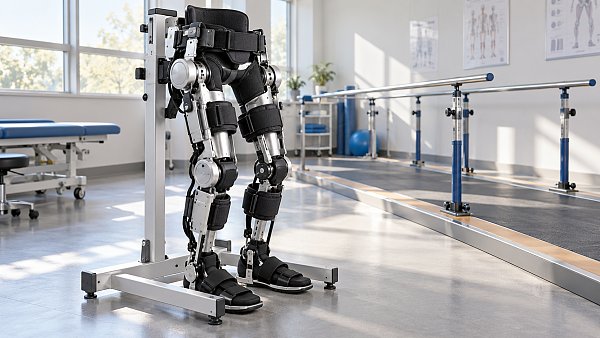
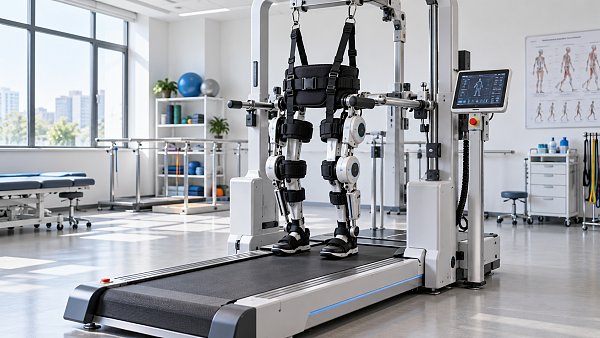
 Choosing Powered Exoskeleton Rehabilitation Devices for Post-Stroke Gait TrainingCompare powered exoskeleton rehabilitation devices for post-stroke gait training. Explore patient fit, safety, clinical evidence, and costs to choose the right system for your service.
 Commerce Ministry: Exoskeleton Sales on Key Platforms Rise 46.4% in Jan–Sep 2026Exoskeleton sales rose 46.4% on key platforms in Jan–Sep 2026, according to supplied Commerce Ministry data. Explore procurement insights and key checks for suppliers and buyers.
 Wearable Exoskeleton Rehabilitation Devices: Key Criteria for Gait TrainingCompare wearable exoskeleton rehabilitation devices for gait training. Discover key criteria for patient fit, safety, assistance, and clinical evidence to guide smarter selection.
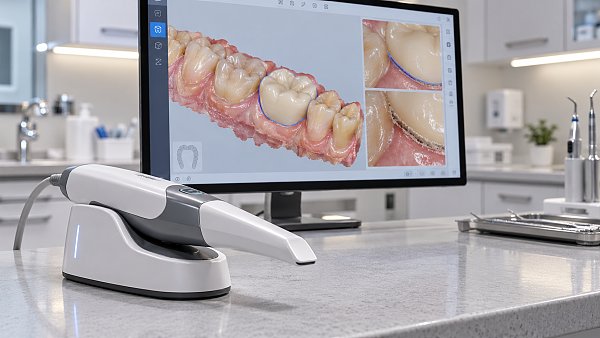
 3D Intraoral Scans Show High Specificity for Caries Around Restorations3D intraoral scans show high specificity for caries around restorations, but sensitivity varies. Explore what these findings mean for secondary caries assessment.
 Specialty Medical Equipment Specifications: Performance and Compatibility ChecksEvaluate specialty medical equipment specifications with practical performance and compatibility checks. Discover how to avoid costly mismatches and make confident hospital purchasing decisions.
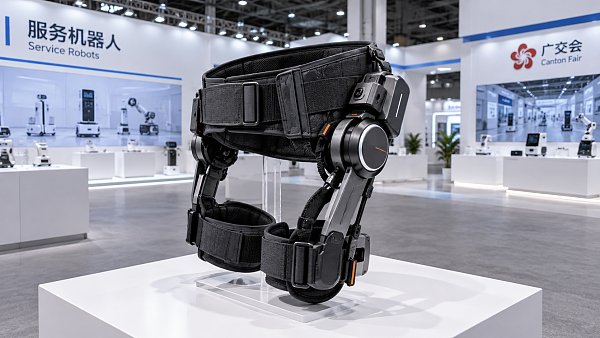
 Taixi Intelligent Exoskeleton Robot Showcased at the 140th Canton FairExplore Taixi Intelligent’s Yinyue X1 exoskeleton, reportedly showcased at the 140th Canton Fair. Discover its features and key compliance checks for overseas buyers.
 Robotic Rehabilitation Devices: How to Evaluate Systems for Gait TrainingCompare robotic rehabilitative medical devices for gait training. Discover how to assess patient fit, safety, clinical evidence, and costs to choose the right system for your program.
 UK Confirms Indefinite Recognition of CE-Marked Medical DevicesCE-marked medical devices gain indefinite recognition in Great Britain. Discover what this means for UKCA requirements, compliance planning and long-term supply continuity.
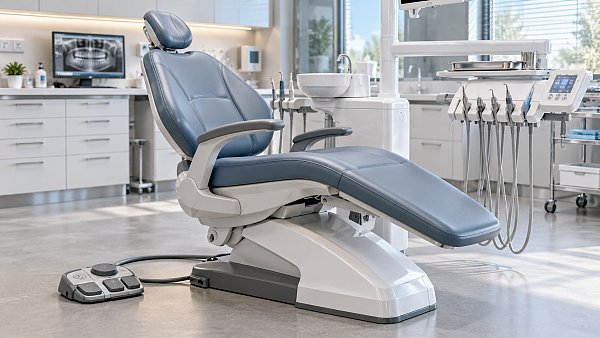
 Electric Dental Chairs: How to Assess Load Capacity, Positioning, and SafetyChoosing electric dental chair equipment? Learn how to verify load capacity, assess positioning, and check safety controls to make a confident, evidence-based purchase.
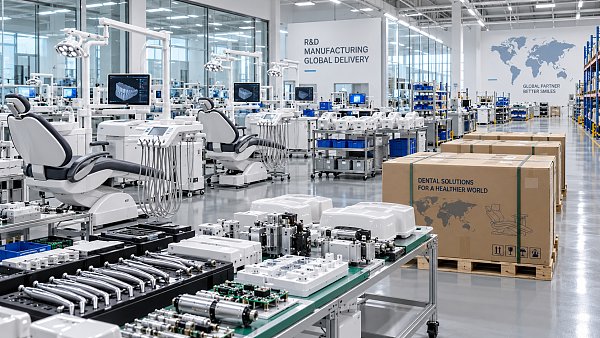
 Runyes Opens New Ningbo Plant at Global Partner SummitRunyes opens a new Ningbo plant at its 2026 Global Partner Summit. Explore what the expansion could mean for digital dental equipment, global partners, and procurement planning.
 Medical Think Tank Research for Procurement: Evidence and Bias ChecksMedical think tank procurement research: learn to verify evidence, spot bias, and assess lifecycle costs so you can turn insights into defensible hospital equipment decisions.
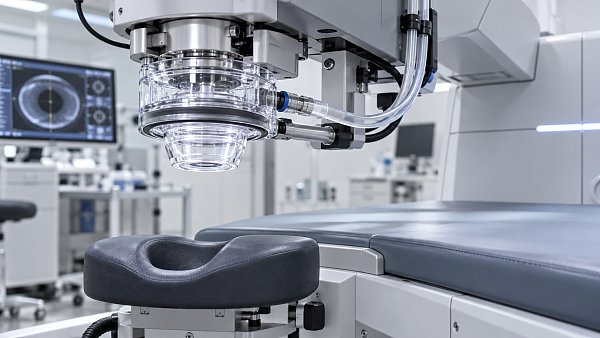
 Femtosecond Laser Docking: How to Troubleshoot Repeated Suction LossFemtosecond laser systems with docking: troubleshoot repeated suction loss, identify seal and vacuum issues, and explore key safety checks before another attempt. Read the guide.
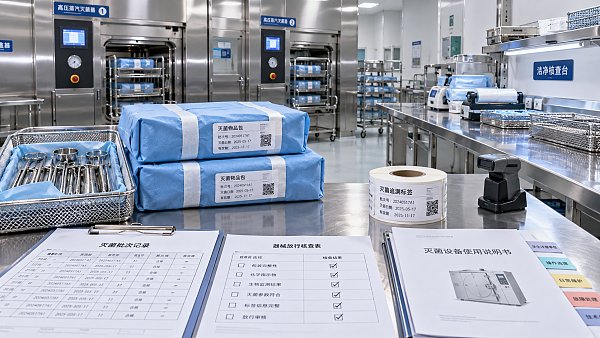
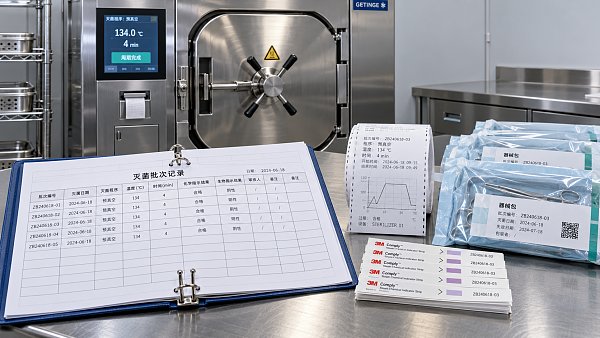
 Sterilization Standards: What Documentation Do Hospitals Need for Audits?Strengthen sterilization compliance standards documentation with essential audit records, monitoring evidence, and traceability guidance. Discover how to prepare your hospital for audits.
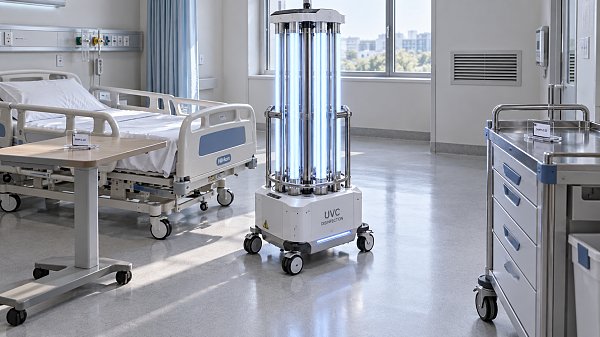
 Hospital Disinfection System Manufacturers: Efficacy Evidence Buyers Should RequestChoosing a hospital disinfection systems manufacturer? Discover the efficacy reports, safety records, and site trials to request to verify claims and buy with confidence.
 Optical Diffraction Limits Explained: How Wavelength and NA Set ResolutionOptical diffraction limits explained: Learn how wavelength and NA shape resolution, compare optical specifications confidently, and spot misleading claims before choosing imaging equipment.
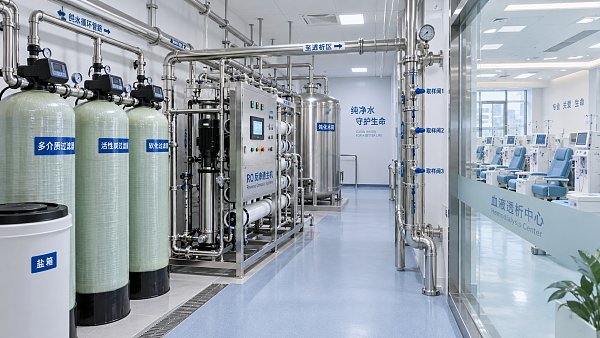
 Dialysis Center Equipment Checklist: What to Buy Before OpeningExplore end stage renal disease equipment for dialysis centers with an opening checklist for machines, water systems, and supplies. Plan smarter purchases and avoid costly startup delays.
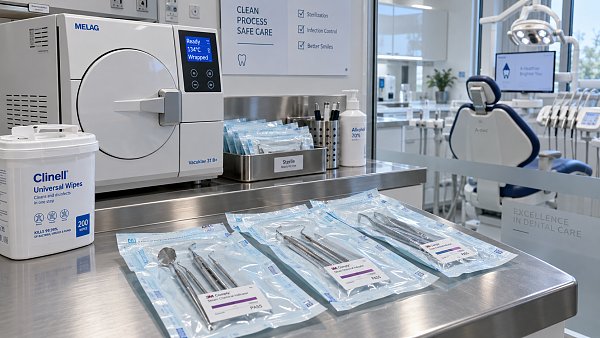
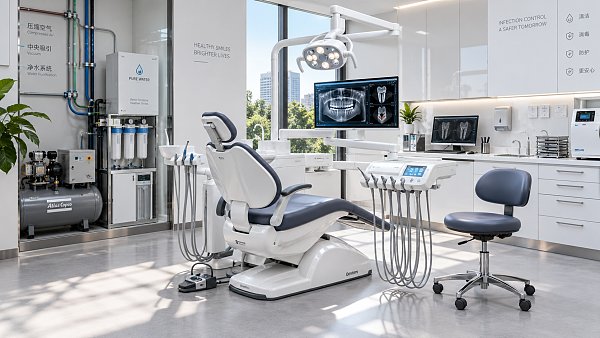
 Dental Clinic Infection Control: Daily Checks for Instruments and SurfacesExplore infection control solutions for dental clinics with practical daily checks for instruments, sterilization, and surfaces. Learn how to spot failures and strengthen patient safety.
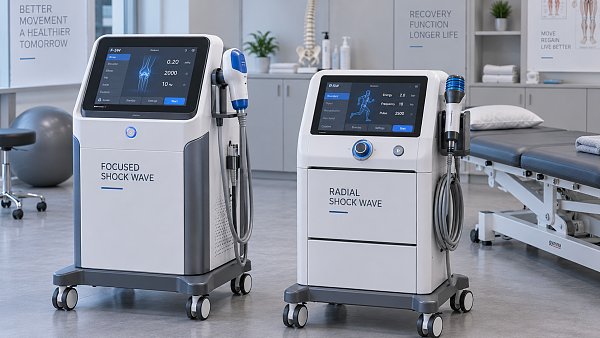
 Focused vs. Radial Shockwave Equipment: Clinical Uses and Selection CriteriaExplore this therapeutic equipment comparison of focused vs. radial shockwave systems. Compare clinical uses, targeting, evidence, and costs to choose the right fit for your clinic.
 What Is Driving Demand for Elderly Care Equipment in Home and Facility Settings?Elderly care equipment demand is rising as home care, staff shortages, chronic disease, and safety needs reshape buying decisions. Discover the trends driving smarter care.
 How to Evaluate a Dental Equipment Supplier Before Equipping a New ClinicDental equipment supplier evaluation made simple: compare workflow fit, installation, infection control, digital integration, service support, and total ownership costs before opening your clinic.




Global Trade Insights & Industry
Our mission is to empower global exporters and importers with data-driven insights that foster strategic growth.
Search News
Popular Tags
Industry Overview
The global commercial kitchen equipment market is projected to reach $112 billion by 2027. Driven by urbanization, the rise of e-commerce food delivery, and strict hygiene regulations.