 Get Insights


Vietnam Tariff Cut Drives CBCT Order Spike
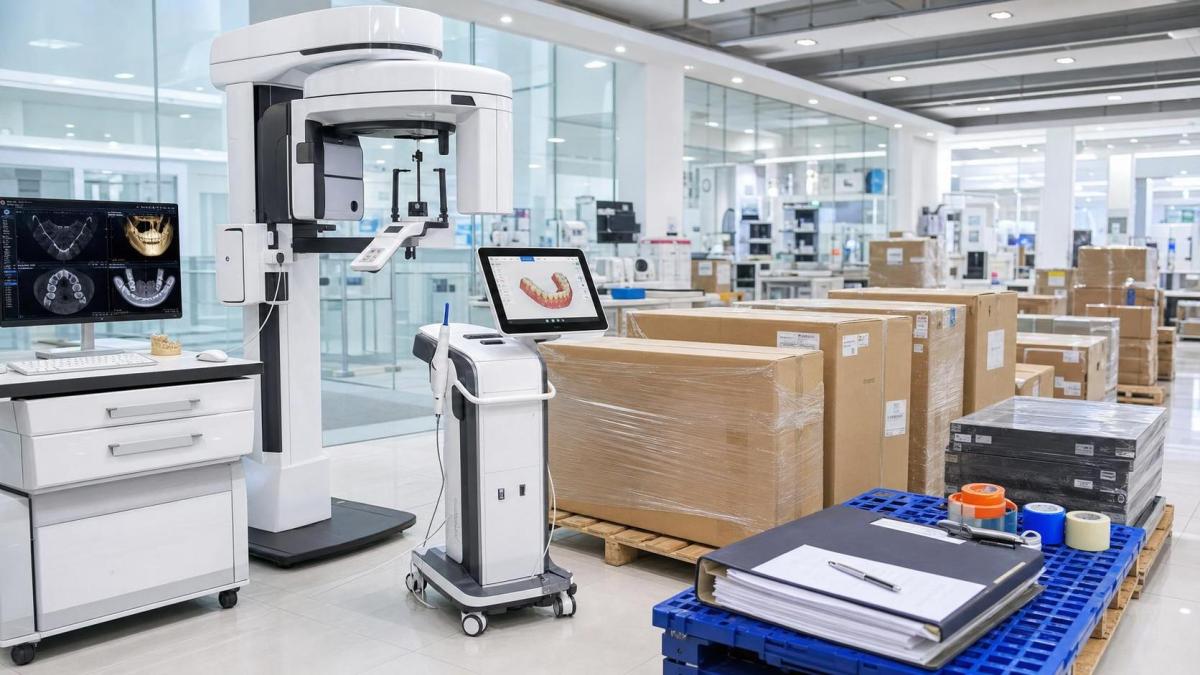
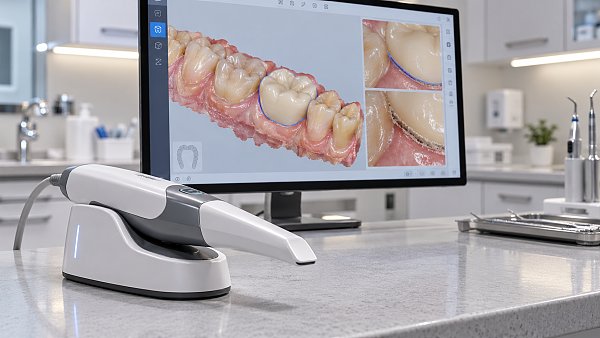
On June 28, 2026, a new tariff change under the upgraded ASEAN-China FTA took effect in Vietnam, cutting import duties on CBCT and intraoral scanners from 12% to 0%. The immediate market response was a rise in distributor pre-orders, while Vietnamese dental groups moved faster on digital chairside deployment plans. For equipment exporters, channel partners, and dental service buyers, the development is worth close attention because it links a policy change directly to short-term purchasing activity and a sharper focus on integrated imaging workflows.
What Changed on June 28
According to the provided event information, Vietnam began applying a 0% import duty to CBCT and intraoral scanners on June 28, 2026, under the newly ratified ASEAN-China FTA Upgrade Protocol. The previous duty level was 12%.
The same information indicates that the tariff cut triggered a wave of distributor pre-orders. It also states that Vietnamese dental groups are accelerating digital chairside rollout plans, and that demand for integrated CBCT-intraoral units increased 65% month on month.
Where the Impact May Be Felt First
Export and cross-border equipment trade
From an industry perspective, exporters and direct trading companies are likely to feel the earliest effect because tariff reductions change landed-cost calculations immediately. The most exposed business links are quotation cycles, distributor order timing, and model mix discussions, especially where buyers compare standalone devices with integrated units.
What deserves closer attention is whether current inquiries are shifting from price comparison to faster order conversion, since the provided information already points to pre-order activity rather than only general market interest.
Distributor and channel inventory planning
Distributors may be affected through purchasing schedules, stock allocation, and customer communication. The reported pre-order wave suggests that channel partners could face a narrower window for balancing inventory risk against demand capture. For this group, the key change is not only higher interest, but also the need to judge whether demand is concentrated in integrated CBCT-intraoral configurations.
Dental groups expanding chairside digital workflows
Terminal buyers, particularly dental groups in Vietnam, may be affected through procurement sequencing and rollout planning. Based on the provided summary, these organizations are already accelerating digital chairside plans. That places attention on implementation rhythm, product configuration choices, and supplier coordination rather than on policy interpretation alone.
Supply chain and delivery support functions
Supply chain service providers and fulfillment teams may see pressure in documentation, order processing, and delivery coordination if pre-orders convert quickly into shipments. Analysis shows that when a tariff adjustment creates immediate buying interest, execution quality becomes a practical issue even before longer-term demand trends are clear.
What Companies Should Watch Now
Confirm how tariff treatment applies in practice
Companies should closely monitor official wording and execution details tied to the new preferential treatment. Analysis shows that a tariff headline and real transaction handling are not always the same thing in day-to-day business, so customs treatment, product classification, and supporting documentation deserve careful review.
Track whether integrated units remain the demand center
The strongest demand signal in the provided information is the 65% month-on-month increase for integrated CBCT-intraoral units. That makes product mix a practical issue for exporters, distributors, and procurement teams. Businesses should pay attention to whether customer discussions continue to favor integrated systems over separate-device purchases.
Prepare for faster pre-order to delivery cycles
The reported distributor pre-orders indicate that some market participants may move before longer validation cycles play out. Companies involved in supply, fulfillment, and customer communication should therefore review order confirmation processes, delivery lead-time communication, and document readiness to reduce friction if order activity remains elevated.
Separate policy signal from durable demand
What deserves closer attention is the difference between an immediate response to lower import costs and a sustained purchasing pattern. Businesses should treat the tariff cut as a meaningful commercial trigger, while still watching whether the current momentum translates into repeated procurement and broader rollout execution.
How This Signal Should Be Read
Observably, this development carries both a short-term and a longer-term meaning. The short-term signal is clear: a tariff reduction can rapidly influence buying behavior, as shown by pre-orders and stronger interest in integrated equipment. The longer-term signal is less settled and should still be observed through actual shipment activity, repeat demand, and continued rollout decisions by dental groups.
It is more appropriate to understand this as an actionable market signal rather than a fully confirmed structural shift. The event shows that policy adjustments can quickly reshape commercial timing, but it does not by itself prove how lasting the demand change will be.
Why the Market Will Keep Following This
For the dental imaging and digital workflow market, the June 28 tariff change matters because it connects trade policy, channel behavior, and clinical equipment planning in a visible way. The immediate response suggests that pricing conditions can affect order momentum quickly, especially for integrated CBCT-intraoral solutions.
At this stage, the most balanced conclusion is that the news should be read as a significant near-term market development with possible longer-term implications, but one that still requires continued observation before broader conclusions are drawn.
Basis of This Article
This article is based on the user-provided news title, event date, and event summary. The specific official source link was not provided in the input, so the underlying policy wording and implementation details still require ongoing verification.
For this type of industry update, source categories that are typically relevant include official government notices, company announcements, industry association updates, authoritative media coverage, and standard-setting or trade-related documents. Follow-up attention should focus on any further official clarification, continued distributor ordering patterns, and whether accelerated rollout plans by Vietnamese dental groups translate into sustained procurement activity.
Recommended News
 Medical Compliance Reference: U.S. Infection Control Rules vs. GuidanceUse this medical compliance reference to distinguish U.S. infection control rules from guidance, clarify OSHA, CMS, FDA and CDC roles, and identify gaps before your next audit.
 Choosing Powered Exoskeleton Rehabilitation Devices for Post-Stroke Gait TrainingCompare powered exoskeleton rehabilitation devices for post-stroke gait training. Explore patient fit, safety, clinical evidence, and costs to choose the right system for your service.
 Commerce Ministry: Exoskeleton Sales on Key Platforms Rise 46.4% in Jan–Sep 2026Exoskeleton sales rose 46.4% on key platforms in Jan–Sep 2026, according to supplied Commerce Ministry data. Explore procurement insights and key checks for suppliers and buyers.
 Wearable Exoskeleton Rehabilitation Devices: Key Criteria for Gait TrainingCompare wearable exoskeleton rehabilitation devices for gait training. Discover key criteria for patient fit, safety, assistance, and clinical evidence to guide smarter selection.
 3D Intraoral Scans Show High Specificity for Caries Around Restorations3D intraoral scans show high specificity for caries around restorations, but sensitivity varies. Explore what these findings mean for secondary caries assessment.
 Specialty Medical Equipment Specifications: Performance and Compatibility ChecksEvaluate specialty medical equipment specifications with practical performance and compatibility checks. Discover how to avoid costly mismatches and make confident hospital purchasing decisions.
 Taixi Intelligent Exoskeleton Robot Showcased at the 140th Canton FairExplore Taixi Intelligent’s Yinyue X1 exoskeleton, reportedly showcased at the 140th Canton Fair. Discover its features and key compliance checks for overseas buyers.
 Robotic Rehabilitation Devices: How to Evaluate Systems for Gait TrainingCompare robotic rehabilitative medical devices for gait training. Discover how to assess patient fit, safety, clinical evidence, and costs to choose the right system for your program.
 UK Confirms Indefinite Recognition of CE-Marked Medical DevicesCE-marked medical devices gain indefinite recognition in Great Britain. Discover what this means for UKCA requirements, compliance planning and long-term supply continuity.
 Electric Dental Chairs: How to Assess Load Capacity, Positioning, and SafetyChoosing electric dental chair equipment? Learn how to verify load capacity, assess positioning, and check safety controls to make a confident, evidence-based purchase.
 Runyes Opens New Ningbo Plant at Global Partner SummitRunyes opens a new Ningbo plant at its 2026 Global Partner Summit. Explore what the expansion could mean for digital dental equipment, global partners, and procurement planning.
 Medical Think Tank Research for Procurement: Evidence and Bias ChecksMedical think tank procurement research: learn to verify evidence, spot bias, and assess lifecycle costs so you can turn insights into defensible hospital equipment decisions.
 Femtosecond Laser Docking: How to Troubleshoot Repeated Suction LossFemtosecond laser systems with docking: troubleshoot repeated suction loss, identify seal and vacuum issues, and explore key safety checks before another attempt. Read the guide.
 Sterilization Standards: What Documentation Do Hospitals Need for Audits?Strengthen sterilization compliance standards documentation with essential audit records, monitoring evidence, and traceability guidance. Discover how to prepare your hospital for audits.
 Hospital Disinfection System Manufacturers: Efficacy Evidence Buyers Should RequestChoosing a hospital disinfection systems manufacturer? Discover the efficacy reports, safety records, and site trials to request to verify claims and buy with confidence.
 Optical Diffraction Limits Explained: How Wavelength and NA Set ResolutionOptical diffraction limits explained: Learn how wavelength and NA shape resolution, compare optical specifications confidently, and spot misleading claims before choosing imaging equipment.
 Dialysis Center Equipment Checklist: What to Buy Before OpeningExplore end stage renal disease equipment for dialysis centers with an opening checklist for machines, water systems, and supplies. Plan smarter purchases and avoid costly startup delays.
 Dental Clinic Infection Control: Daily Checks for Instruments and SurfacesExplore infection control solutions for dental clinics with practical daily checks for instruments, sterilization, and surfaces. Learn how to spot failures and strengthen patient safety.
 Focused vs. Radial Shockwave Equipment: Clinical Uses and Selection CriteriaExplore this therapeutic equipment comparison of focused vs. radial shockwave systems. Compare clinical uses, targeting, evidence, and costs to choose the right fit for your clinic.
 What Is Driving Demand for Elderly Care Equipment in Home and Facility Settings?Elderly care equipment demand is rising as home care, staff shortages, chronic disease, and safety needs reshape buying decisions. Discover the trends driving smarter care.
 How to Evaluate a Dental Equipment Supplier Before Equipping a New ClinicDental equipment supplier evaluation made simple: compare workflow fit, installation, infection control, digital integration, service support, and total ownership costs before opening your clinic.










Global Trade Insights & Industry
Our mission is to empower global exporters and importers with data-driven insights that foster strategic growth.
Search News
Popular Tags
Industry Overview
The global commercial kitchen equipment market is projected to reach $112 billion by 2027. Driven by urbanization, the rise of e-commerce food delivery, and strict hygiene regulations.