 Get Insights


Vietnam Cuts CBCT Scanner Tariff to 0%
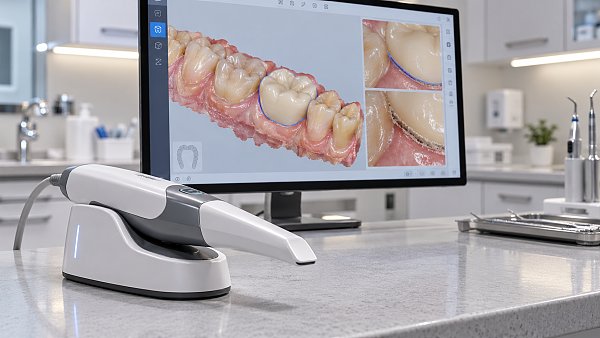
On 2026-06-28, Vietnam put into effect the third tariff-reduction list under the ASEAN-China FTA Upgrade Protocol, removing the 7.5% import tariff on CBCT and intraoral scanners for products originating in China and meeting RCEP rules of origin. For manufacturers, exporters, importers, and procurement teams involved in dental imaging equipment, this is not just a price adjustment; it is a rule-based change that directly affects origin compliance, customs documentation, delivery planning, and the competitive position of suppliers able to execute under the new trade conditions from the effective date.

What Changed on 2026-06-28
The confirmed change is that Vietnam’s Ministry of Industry and Trade formally implemented the third batch of tariff cuts under the ASEAN-China FTA Upgrade Protocol on 2026-06-28.
Under that change, the import tariff on CBCT and intraoral scanners was reduced from 7.5% to 0%.
The measure applies to products originating in China that comply with RCEP rules of origin, and it took effect immediately on the same day.
The provided event summary also states that the policy is expected to drive more than 35% growth in China’s CBCT exports to Vietnam in Q3 and is favorable to Chinese manufacturers with AEO certification.
Where the Operational Impact Is Likely to Appear First
Export transactions will depend more heavily on origin qualification
From an industry perspective, Chinese exporters of CBCT and intraoral scanners are likely to feel the change first because the tariff benefit is tied to origin status and compliance with RCEP rules of origin. The commercial effect is therefore linked not only to product demand but also to whether export files, origin-related documentation, and customs declarations can support preferential treatment in practice.
Vietnam-side import and procurement teams may reassess supplier selection
For importers and procurement functions in Vietnam, the tariff reduction may affect landed-cost comparisons, sourcing decisions, and near-term purchasing timing. What deserves closer attention is whether procurement teams begin to distinguish more clearly between suppliers that can substantiate origin eligibility and those that cannot, especially when cost savings depend on successful use of the new tariff treatment.
Supply chain and customs service providers will need cleaner document handling
Supply chain service providers, customs agents, and trade support teams may also be affected because immediate implementation can compress execution timelines. In operational terms, the focus is likely to fall on document consistency, declaration accuracy, and coordination between exporter, shipper, and importer so that the 0% tariff treatment is not undermined by avoidable filing gaps.
AEO-capable manufacturers may gain an execution advantage
Analysis shows that manufacturers already holding AEO certification may be better positioned in export execution under this change, because the event summary explicitly identifies them as beneficiaries. This should be understood as an operational advantage signal rather than a blanket market outcome, with the practical effect most likely to appear in customs efficiency, transaction credibility, and buyer confidence during order placement and shipment handling.
What Companies Should Check Now
Review origin and eligibility files before shipment expansion
Observably, the most immediate compliance question is whether the product can qualify as originating in China under the applicable RCEP rules of origin referenced in the event summary. Companies planning to increase shipments should pay close attention to whether their origin-supporting materials, classification logic, and transaction records are aligned well enough to support tariff claims without dispute.
Watch for execution language in customs and procurement documents
Because the tariff cut is already in force, companies should closely monitor how the change is reflected in customs filings, purchase documents, and tender-related technical or commercial paperwork. The input does not provide detailed implementation language, so this should be treated as an area requiring follow-up rather than an established uniform practice.
Reassess delivery schedules and Q3 order planning carefully
The event summary indicates an expected Q3 increase of more than 35% in China’s CBCT exports to Vietnam. Analysis shows this may prompt companies to revisit shipment timing, stock allocation, and production scheduling. Even so, businesses should avoid treating that projection as a guaranteed outcome and instead use it as a planning signal that warrants closer monitoring of order flow and customs execution.
Keep after-sales and traceability materials in step with export growth
For suppliers expecting higher shipment volume, it is more appropriate to understand the tariff change as affecting not just the sale but also delivery follow-through. Quality traceability records, technical product files, and after-sales support readiness may become more important if procurement activity accelerates and buyers place greater weight on suppliers that can sustain compliant execution after customs clearance.
Why This Looks Like a Live Execution Signal
Analysis shows that this development is best understood primarily as a landed rule change rather than a policy statement awaiting activation, because the tariff adjustment was formally implemented on 2026-06-28 and became effective immediately. At the same time, it remains necessary to observe how consistently the rule is applied in actual trade flows, especially in relation to origin verification, documentation standards, and procurement-side adoption.
From an industry perspective, the more meaningful question now is not whether the tariff cut exists, but how quickly market participants can convert the formal tariff change into routine, compliant transactions. That is why the response of exporters, customs intermediaries, and Vietnam-side buyers deserves ongoing attention.
How to Read the Change at This Stage
The tariff cut from 7.5% to 0% for eligible CBCT and intraoral scanners is a concrete trade-rule adjustment with direct implications for pricing, origin compliance, and shipment execution between China and Vietnam. Current observation suggests it should be read as an active implementation signal with immediate commercial relevance, while final market impact still depends on how smoothly companies handle origin qualification, documentation, procurement adoption, and delivery execution in the coming period.
Basis of This Article and What Still Needs Verification
This article is based on the user-provided news title, event date, and event summary. For developments of this type, commonly relevant source categories include official government notices, releases from regulatory authorities, customs or trade administration information, industry association updates, standard-setting documents, and reporting by authoritative media.
No specific official source link was provided in the input, so the exact official publication path still requires continued verification. What still needs to be watched includes detailed implementation language, certification and origin-related enforcement interpretation, changes in tender or procurement documents, market feedback, and how companies actually execute under the new tariff condition.
Recommended News
 Medical Compliance Reference: U.S. Infection Control Rules vs. GuidanceUse this medical compliance reference to distinguish U.S. infection control rules from guidance, clarify OSHA, CMS, FDA and CDC roles, and identify gaps before your next audit.
 Choosing Powered Exoskeleton Rehabilitation Devices for Post-Stroke Gait TrainingCompare powered exoskeleton rehabilitation devices for post-stroke gait training. Explore patient fit, safety, clinical evidence, and costs to choose the right system for your service.
 Commerce Ministry: Exoskeleton Sales on Key Platforms Rise 46.4% in Jan–Sep 2026Exoskeleton sales rose 46.4% on key platforms in Jan–Sep 2026, according to supplied Commerce Ministry data. Explore procurement insights and key checks for suppliers and buyers.
 Wearable Exoskeleton Rehabilitation Devices: Key Criteria for Gait TrainingCompare wearable exoskeleton rehabilitation devices for gait training. Discover key criteria for patient fit, safety, assistance, and clinical evidence to guide smarter selection.
 3D Intraoral Scans Show High Specificity for Caries Around Restorations3D intraoral scans show high specificity for caries around restorations, but sensitivity varies. Explore what these findings mean for secondary caries assessment.
 Specialty Medical Equipment Specifications: Performance and Compatibility ChecksEvaluate specialty medical equipment specifications with practical performance and compatibility checks. Discover how to avoid costly mismatches and make confident hospital purchasing decisions.
 Taixi Intelligent Exoskeleton Robot Showcased at the 140th Canton FairExplore Taixi Intelligent’s Yinyue X1 exoskeleton, reportedly showcased at the 140th Canton Fair. Discover its features and key compliance checks for overseas buyers.
 Robotic Rehabilitation Devices: How to Evaluate Systems for Gait TrainingCompare robotic rehabilitative medical devices for gait training. Discover how to assess patient fit, safety, clinical evidence, and costs to choose the right system for your program.
 UK Confirms Indefinite Recognition of CE-Marked Medical DevicesCE-marked medical devices gain indefinite recognition in Great Britain. Discover what this means for UKCA requirements, compliance planning and long-term supply continuity.
 Electric Dental Chairs: How to Assess Load Capacity, Positioning, and SafetyChoosing electric dental chair equipment? Learn how to verify load capacity, assess positioning, and check safety controls to make a confident, evidence-based purchase.
 Runyes Opens New Ningbo Plant at Global Partner SummitRunyes opens a new Ningbo plant at its 2026 Global Partner Summit. Explore what the expansion could mean for digital dental equipment, global partners, and procurement planning.
 Medical Think Tank Research for Procurement: Evidence and Bias ChecksMedical think tank procurement research: learn to verify evidence, spot bias, and assess lifecycle costs so you can turn insights into defensible hospital equipment decisions.
 Femtosecond Laser Docking: How to Troubleshoot Repeated Suction LossFemtosecond laser systems with docking: troubleshoot repeated suction loss, identify seal and vacuum issues, and explore key safety checks before another attempt. Read the guide.
 Sterilization Standards: What Documentation Do Hospitals Need for Audits?Strengthen sterilization compliance standards documentation with essential audit records, monitoring evidence, and traceability guidance. Discover how to prepare your hospital for audits.
 Hospital Disinfection System Manufacturers: Efficacy Evidence Buyers Should RequestChoosing a hospital disinfection systems manufacturer? Discover the efficacy reports, safety records, and site trials to request to verify claims and buy with confidence.
 Optical Diffraction Limits Explained: How Wavelength and NA Set ResolutionOptical diffraction limits explained: Learn how wavelength and NA shape resolution, compare optical specifications confidently, and spot misleading claims before choosing imaging equipment.
 Dialysis Center Equipment Checklist: What to Buy Before OpeningExplore end stage renal disease equipment for dialysis centers with an opening checklist for machines, water systems, and supplies. Plan smarter purchases and avoid costly startup delays.
 Dental Clinic Infection Control: Daily Checks for Instruments and SurfacesExplore infection control solutions for dental clinics with practical daily checks for instruments, sterilization, and surfaces. Learn how to spot failures and strengthen patient safety.
 Focused vs. Radial Shockwave Equipment: Clinical Uses and Selection CriteriaExplore this therapeutic equipment comparison of focused vs. radial shockwave systems. Compare clinical uses, targeting, evidence, and costs to choose the right fit for your clinic.
 What Is Driving Demand for Elderly Care Equipment in Home and Facility Settings?Elderly care equipment demand is rising as home care, staff shortages, chronic disease, and safety needs reshape buying decisions. Discover the trends driving smarter care.
 How to Evaluate a Dental Equipment Supplier Before Equipping a New ClinicDental equipment supplier evaluation made simple: compare workflow fit, installation, infection control, digital integration, service support, and total ownership costs before opening your clinic.









Global Trade Insights & Industry
Our mission is to empower global exporters and importers with data-driven insights that foster strategic growth.
Search News
Popular Tags
Industry Overview
The global commercial kitchen equipment market is projected to reach $112 billion by 2027. Driven by urbanization, the rise of e-commerce food delivery, and strict hygiene regulations.