 Get Insights


Do neurorehabilitation devices improve home recovery?
Recovering at home after a stroke, injury, or surgery can feel overwhelming, especially when progress depends on consistent therapy between clinical visits. Neurorehabilitation devices are designed to bring guided, measurable rehab support into daily life, using technologies such as electrical stimulation, robotic assistance, motion tracking, and feedback-based training. For patients and caregivers, the key question is not whether these tools look advanced, but whether they can safely improve mobility, independence, and confidence at home. This article explores how they work, who may benefit, and what to consider before choosing one.
What home neurorehabilitation devices actually do
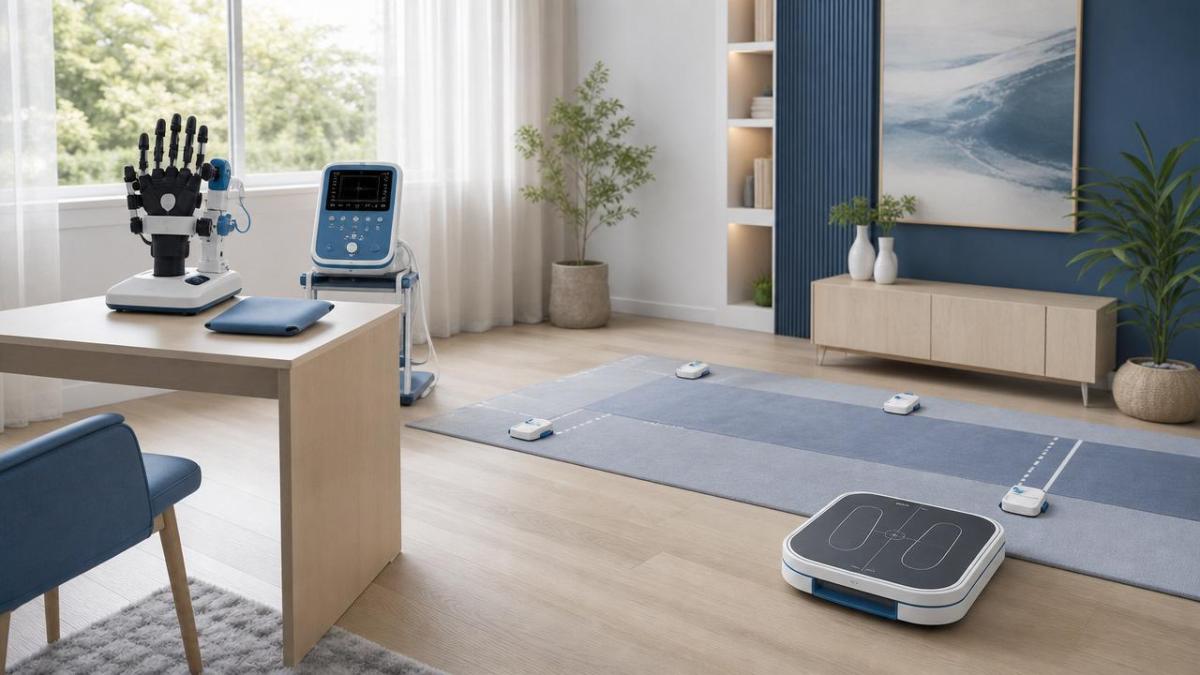
Neurorehabilitation devices support the nervous system and muscles through repeated, task-oriented training. They do not replace therapists, but they can extend therapy time between appointments.
For home users, the value is consistency. A device can guide a hand movement, stimulate ankle dorsiflexion, measure walking quality, or provide feedback during balance exercises.
Common device categories for home recovery
- Functional electrical stimulation units activate weak muscles during specific movements, such as foot lifting or wrist extension.
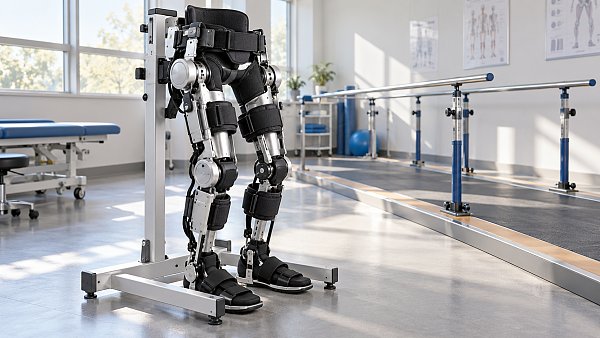
- Robotic or motor-assisted trainers help repeat arm, hand, or leg motions with controlled support and resistance.
- Wearable sensors track steps, joint angles, posture, gait symmetry, or exercise completion for remote review.
- Interactive feedback systems use games, screens, sounds, or vibration to improve attention and motor learning.
MTIC follows these technologies from a clinical usability perspective: ergonomics, intention recognition, infection control surfaces, calibration stability, and realistic home operation.
Do neurorehabilitation devices improve home recovery in real life?
The practical answer is: they can help when they match the patient’s condition, goals, environment, and supervision plan. A mismatch can waste money.
Recovery depends on neuroplasticity, which is strengthened by repetition, feedback, intensity, and meaningful tasks. Neurorehabilitation devices can improve these factors at home.
Where improvement is most likely
- A stroke survivor needs repeated upper-limb practice but cannot attend frequent outpatient sessions.
- A patient after orthopedic or neurological injury requires safe gait practice with measurable progress.
- A caregiver needs clearer guidance instead of relying only on printed exercise instructions.
- A clinician wants home exercise data to adjust therapy intensity and prevent undertraining.
Benefits are not instant. Most users need a structured program, realistic milestones, and periodic reassessment by qualified rehabilitation professionals.
Which home recovery scenarios fit different device types?
Different neurorehabilitation devices solve different problems. Before comparing prices, families should define the target function: walking, hand use, balance, strength, or adherence.
The table below summarizes typical applications, user fit, and practical cautions for common home neurorehabilitation solutions.
This comparison shows why “advanced” is not the same as “appropriate.” The best neurorehabilitation devices match one priority function and fit daily routines.
How to judge performance before buying
Consumers often compare appearance, price, and advertising claims first. A safer approach is to examine therapy logic, adjustability, monitoring, and service support.
MTIC’s rehabilitation equipment intelligence focuses on whether a device can translate clinical biomechanics into understandable home use, not only whether it has sensors.
Key parameters families should ask about
The following table provides practical assessment points when comparing neurorehabilitation devices for home recovery.
A device with fewer modes but better fit and clearer feedback may outperform a complex system that the patient avoids using.
Who may benefit, and who needs extra caution?
Home neurorehabilitation devices are most helpful for motivated users with stable medical conditions, clear therapy goals, and caregiver or clinician support when needed.
They are not a shortcut around diagnosis. Patients should first understand their motor deficits, sensory problems, pain triggers, fatigue limits, and contraindications.
Good candidates often include
- Stroke survivors who need high-repetition arm, hand, or walking practice after discharge.
- People recovering from neurological injury who require structured movement feedback.
- Older adults who can follow instructions and need measurable exercise support.
- Caregivers who want safer routines, clearer progress tracking, and fewer guesswork decisions.
Situations requiring professional review
- Uncontrolled seizures, unstable cardiac conditions, severe spasticity, open wounds, or unexplained pain.
- Implanted electronic devices, metal implants near stimulation sites, or complex medication changes.
- Severe cognitive impairment, high fall risk, or inability to report discomfort reliably.
If any caution applies, neurorehabilitation devices may still be possible, but selection should involve a physician or rehabilitation therapist.
Cost, alternatives, and realistic budgeting
Home recovery budgets vary widely. The purchase price is only one part of the decision. Consumables, software subscriptions, training, and support also matter.
Families should compare the device against outpatient therapy access, caregiver time, travel burden, and the risk of reduced practice between appointments.
Budget questions before purchase
- Will the device address a priority goal identified by a rehabilitation professional?
- Are replacement electrodes, straps, batteries, or sensor accessories required?
- Can the supplier provide remote setup guidance, user training, and troubleshooting?
- Is rental, trial use, or staged upgrading available before committing to a higher-cost system?
Low-cost exercise tools, therapist-designed home programs, mirrors, resistance bands, and balance aids may still be useful. Neurorehabilitation devices add value when they deliver measurable guidance that basic tools cannot provide.
Safety, standards, and hygiene points consumers should not ignore
Medical devices used at home should be evaluated with the same seriousness as clinic equipment, even when they look consumer-friendly.
Depending on market and device category, consumers may see references to IEC 60601 electrical safety, ISO 13485 quality management, CE marking, FDA registration pathways, or local medical device approvals.
Practical compliance checklist
- Ask whether the device is marketed as a medical device, wellness tool, or training accessory.
- Confirm user manuals, warnings, cleaning instructions, and technical support are available in your language.
- Check whether skin-contact components can be cleaned or replaced after repeated sessions.
- Avoid modifying cables, electrodes, straps, chargers, or software settings outside official instructions.
MTIC’s broader infection control focus is relevant here. Any device touching skin, hands, or shared home surfaces needs a clear hygiene routine.
How to implement a home program without wasting the device
Many families buy neurorehabilitation devices but do not build a usable routine. Implementation is as important as selection.
A practical four-step approach
- Define one measurable goal, such as safer walking, improved grasp release, or better ankle control.
- Set a starter schedule that the patient can complete without excessive fatigue or pain.
- Record objective indicators, including repetitions, session minutes, walking distance, or task success.
- Review progress with a therapist and adjust intensity, assistance, or task difficulty regularly.
A small amount of correct daily practice is usually better than long, irregular sessions that increase fatigue and reduce motivation.
FAQ: choosing neurorehabilitation devices for home use
Are neurorehabilitation devices safe for stroke recovery at home?
They can be safe when medically appropriate, correctly fitted, and used according to instructions. Stroke survivors should confirm contraindications, especially for electrical stimulation or balance training.
How long does it take to see improvement?
Progress varies by diagnosis, severity, fatigue, cognition, and training intensity. Many users track changes over weeks, not days, using functional goals instead of only device scores.
Should I buy the most advanced robotic system?
Not always. The best option is the device the patient can use correctly, consistently, and comfortably. Complex systems may require more setup and supervision.
Can these devices replace in-person therapy?
They usually complement therapy rather than replace it. Clinicians help set goals, check movement quality, identify risks, and adjust the program as recovery changes.
Why choose MTIC for selection support and informed decisions
MTIC connects rehabilitation technology intelligence with real home recovery needs. We analyze rehab robots, stimulation systems, sensors, hygiene considerations, and clinical usability from a patient-centered perspective.
If you are comparing neurorehabilitation devices, MTIC can help clarify selection priorities before you commit budget or redesign a home recovery routine.
You can consult us about
- Parameter confirmation for stimulation intensity, motion range, sensor functions, and safety features.
- Product selection logic for stroke recovery, gait training, hand rehabilitation, or caregiver-assisted use.
- Budget comparison, rental or trial considerations, consumable planning, and long-term maintenance questions.
- Certification, user documentation, cleaning requirements, and home implementation planning.
- Supplier communication, sample support questions, delivery timing, and customized rehabilitation solution review.
Home recovery is personal, but device decisions should be evidence-informed. Contact MTIC to compare neurorehabilitation devices with clearer parameters, safer expectations, and a plan that supports daily progress.
Recommended News
 Medical Compliance Reference: U.S. Infection Control Rules vs. GuidanceUse this medical compliance reference to distinguish U.S. infection control rules from guidance, clarify OSHA, CMS, FDA and CDC roles, and identify gaps before your next audit.
 Choosing Powered Exoskeleton Rehabilitation Devices for Post-Stroke Gait TrainingCompare powered exoskeleton rehabilitation devices for post-stroke gait training. Explore patient fit, safety, clinical evidence, and costs to choose the right system for your service.
 Commerce Ministry: Exoskeleton Sales on Key Platforms Rise 46.4% in Jan–Sep 2026Exoskeleton sales rose 46.4% on key platforms in Jan–Sep 2026, according to supplied Commerce Ministry data. Explore procurement insights and key checks for suppliers and buyers.
 Wearable Exoskeleton Rehabilitation Devices: Key Criteria for Gait TrainingCompare wearable exoskeleton rehabilitation devices for gait training. Discover key criteria for patient fit, safety, assistance, and clinical evidence to guide smarter selection.
 3D Intraoral Scans Show High Specificity for Caries Around Restorations3D intraoral scans show high specificity for caries around restorations, but sensitivity varies. Explore what these findings mean for secondary caries assessment.
 Specialty Medical Equipment Specifications: Performance and Compatibility ChecksEvaluate specialty medical equipment specifications with practical performance and compatibility checks. Discover how to avoid costly mismatches and make confident hospital purchasing decisions.
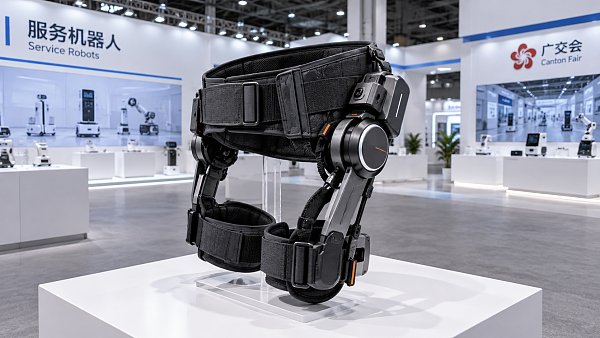
 Taixi Intelligent Exoskeleton Robot Showcased at the 140th Canton FairExplore Taixi Intelligent’s Yinyue X1 exoskeleton, reportedly showcased at the 140th Canton Fair. Discover its features and key compliance checks for overseas buyers.
 Robotic Rehabilitation Devices: How to Evaluate Systems for Gait TrainingCompare robotic rehabilitative medical devices for gait training. Discover how to assess patient fit, safety, clinical evidence, and costs to choose the right system for your program.
 UK Confirms Indefinite Recognition of CE-Marked Medical DevicesCE-marked medical devices gain indefinite recognition in Great Britain. Discover what this means for UKCA requirements, compliance planning and long-term supply continuity.
 Electric Dental Chairs: How to Assess Load Capacity, Positioning, and SafetyChoosing electric dental chair equipment? Learn how to verify load capacity, assess positioning, and check safety controls to make a confident, evidence-based purchase.
 Runyes Opens New Ningbo Plant at Global Partner SummitRunyes opens a new Ningbo plant at its 2026 Global Partner Summit. Explore what the expansion could mean for digital dental equipment, global partners, and procurement planning.
 Medical Think Tank Research for Procurement: Evidence and Bias ChecksMedical think tank procurement research: learn to verify evidence, spot bias, and assess lifecycle costs so you can turn insights into defensible hospital equipment decisions.
 Femtosecond Laser Docking: How to Troubleshoot Repeated Suction LossFemtosecond laser systems with docking: troubleshoot repeated suction loss, identify seal and vacuum issues, and explore key safety checks before another attempt. Read the guide.
 Sterilization Standards: What Documentation Do Hospitals Need for Audits?Strengthen sterilization compliance standards documentation with essential audit records, monitoring evidence, and traceability guidance. Discover how to prepare your hospital for audits.
 Hospital Disinfection System Manufacturers: Efficacy Evidence Buyers Should RequestChoosing a hospital disinfection systems manufacturer? Discover the efficacy reports, safety records, and site trials to request to verify claims and buy with confidence.
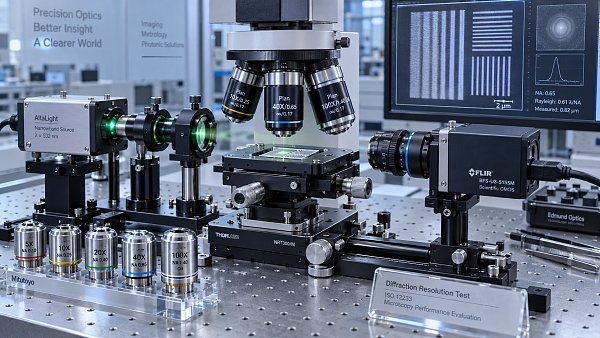
 Optical Diffraction Limits Explained: How Wavelength and NA Set ResolutionOptical diffraction limits explained: Learn how wavelength and NA shape resolution, compare optical specifications confidently, and spot misleading claims before choosing imaging equipment.
 Dialysis Center Equipment Checklist: What to Buy Before OpeningExplore end stage renal disease equipment for dialysis centers with an opening checklist for machines, water systems, and supplies. Plan smarter purchases and avoid costly startup delays.
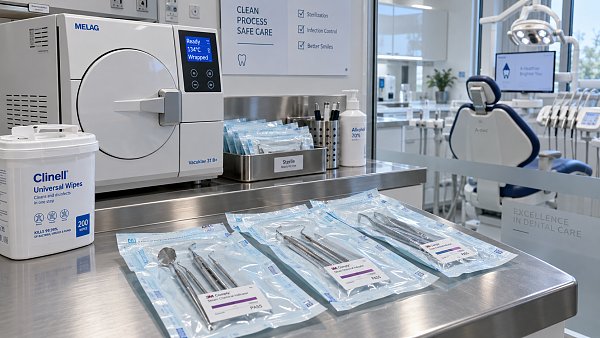
 Dental Clinic Infection Control: Daily Checks for Instruments and SurfacesExplore infection control solutions for dental clinics with practical daily checks for instruments, sterilization, and surfaces. Learn how to spot failures and strengthen patient safety.
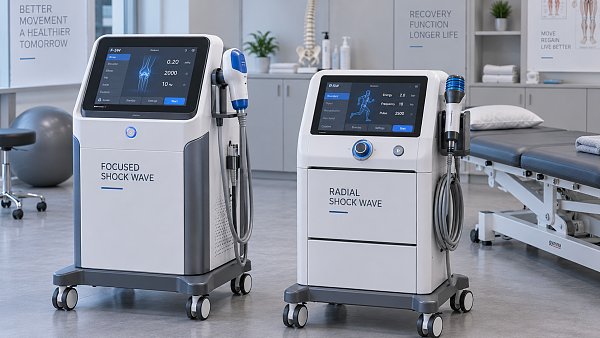
 Focused vs. Radial Shockwave Equipment: Clinical Uses and Selection CriteriaExplore this therapeutic equipment comparison of focused vs. radial shockwave systems. Compare clinical uses, targeting, evidence, and costs to choose the right fit for your clinic.
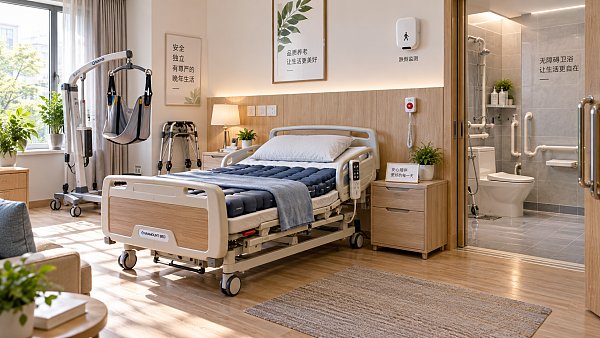
 What Is Driving Demand for Elderly Care Equipment in Home and Facility Settings?Elderly care equipment demand is rising as home care, staff shortages, chronic disease, and safety needs reshape buying decisions. Discover the trends driving smarter care.
 How to Evaluate a Dental Equipment Supplier Before Equipping a New ClinicDental equipment supplier evaluation made simple: compare workflow fit, installation, infection control, digital integration, service support, and total ownership costs before opening your clinic.





Global Trade Insights & Industry
Our mission is to empower global exporters and importers with data-driven insights that foster strategic growth.
Search News
Popular Tags
Industry Overview
The global commercial kitchen equipment market is projected to reach $112 billion by 2027. Driven by urbanization, the rise of e-commerce food delivery, and strict hygiene regulations.