 Get Insights


Why ultrafiltration flow control affects dialysis safety
In hemodialysis, safety depends on more than membrane performance or water purity; it also hinges on how precisely fluid is removed from the patient.
Ultrafiltration flow control determines whether prescribed fluid removal remains stable, predictable, and clinically tolerable throughout treatment.
For quality control and safety management teams, this parameter directly affects hypotension risk, alarm burden, equipment deviation, and compliance confidence.
What does ultrafiltration flow control mean in dialysis safety?
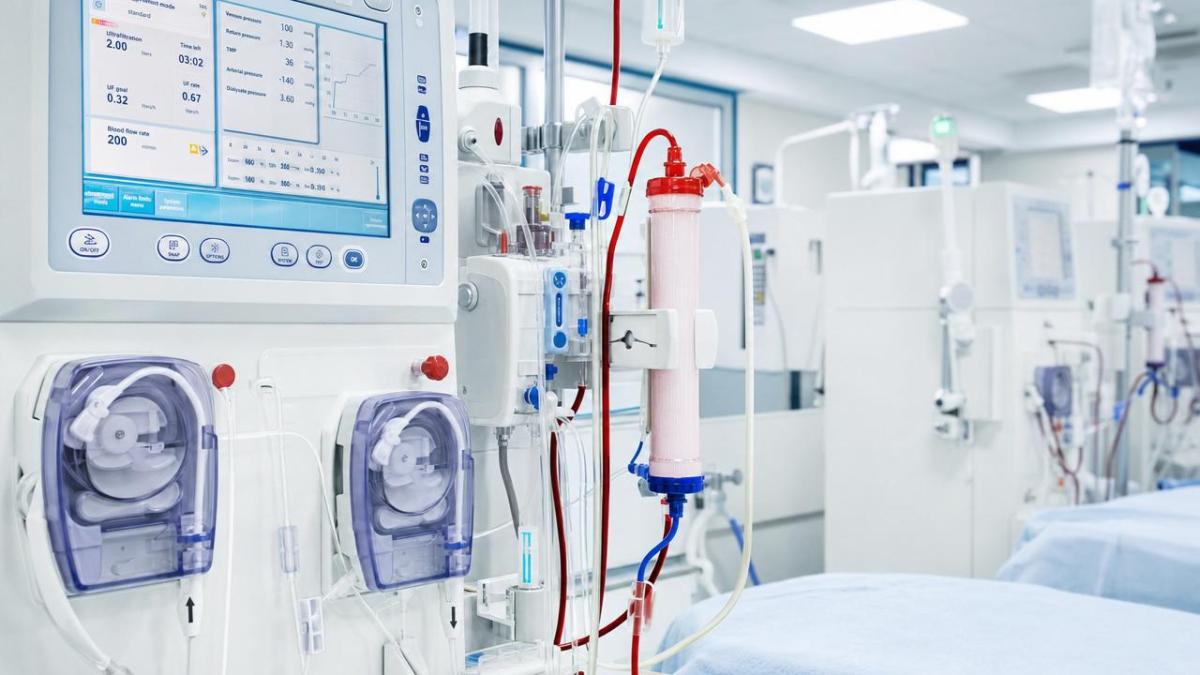
Ultrafiltration flow control is the regulated removal of plasma water across the dialyzer membrane during hemodialysis treatment.
It translates a clinical prescription into a controlled fluid removal rate, usually expressed as milliliters per hour.
The goal is simple, but the execution is complex: remove excess fluid without overwhelming cardiovascular compensation.
Modern dialysis systems use balancing chambers, volumetric pumps, pressure sensors, and software algorithms to maintain ultrafiltration flow control.
When the system performs well, actual fluid loss closely matches the prescribed ultrafiltration target.
When control drifts, treatment may become clinically unstable, even if dialysate quality and membrane clearance look acceptable.
This is why ultrafiltration flow control belongs at the center of dialysis risk management.
Why is it different from general blood flow control?
Blood flow control determines how quickly blood passes through the extracorporeal circuit.
Ultrafiltration flow control determines how much water is extracted from that blood over time.
A patient can tolerate adequate blood flow but still experience dangerous symptoms from excessive fluid removal.
Therefore, the two parameters must be monitored together, not treated as interchangeable machine settings.
Why does poor ultrafiltration flow control trigger intradialytic hypotension?
Intradialytic hypotension often appears when fluid removal exceeds the patient’s vascular refilling capacity.
During dialysis, water moves from tissues into blood vessels to replace removed plasma volume.
If ultrafiltration flow control demands too much too quickly, circulating volume falls faster than the body can compensate.
The result may include dizziness, nausea, cramps, chest discomfort, fainting, or premature treatment termination.
Even brief hypotensive episodes can reduce treatment quality and increase cumulative cardiovascular stress.
For frail patients, elderly users, or those with diabetic autonomic dysfunction, tolerance margins are especially narrow.
What clinical signs suggest the removal rate is unsafe?
- Repeated blood pressure drops during the same treatment window.
- Cramps occurring before the prescribed ultrafiltration target is reached.
- Frequent saline boluses or ultrafiltration pauses.
- Persistent post-dialysis fatigue after aggressive fluid removal.
- Recurring machine alarms linked to pressure instability.
These patterns do not always prove equipment failure.
However, they justify reviewing ultrafiltration flow control settings, patient dry weight, session duration, and recent interdialytic weight gain.
How can equipment deviations affect ultrafiltration flow control?
Dialysis machines are expected to deliver precise fluid removal despite changing pressures across the dialyzer.
That expectation depends on calibrated sensors, stable pumps, accurate scales, and validated software logic.
If a pressure sensor drifts, the machine may misread transmembrane pressure and compensate incorrectly.
If a pump mechanism wears, actual ultrafiltration may vary from the displayed prescription.
If fluid balancing pathways are contaminated or partially obstructed, ultrafiltration flow control becomes less predictable.
Infection control and hydraulic performance are therefore connected, not separate maintenance concerns.
Which technical checks matter most?
- Verify ultrafiltration accuracy during scheduled preventive maintenance.
- Confirm transmembrane pressure sensors remain within tolerance.
- Inspect tubing pathways, valves, and balancing chambers for abnormal restriction.
- Review alarm histories for repeated flow-related deviations.
- Document corrective action after any failed calibration test.
Strong ultrafiltration flow control is not achieved only by buying advanced equipment.
It also depends on disciplined verification, traceable maintenance, and consistent treatment workflow.
How should dialysis teams judge a safe ultrafiltration rate?
A safe rate is not a single universal number.
It depends on weight gain, treatment duration, residual kidney function, cardiac condition, and blood pressure stability.
Many programs watch ultrafiltration rate per kilogram per hour because it reflects patient size and session length.
Higher rates may be clinically necessary at times, but they require stronger monitoring and justification.
Ultrafiltration flow control should support individualized prescriptions rather than force every patient into the same removal pattern.
What factors should be reviewed before treatment starts?
- Current weight compared with prescribed dry weight.
- Recent edema, shortness of breath, or fluid overload symptoms.
- Pre-dialysis blood pressure and heart rate trends.
- Recent hospitalizations, infections, or medication changes.
- Previous tolerance to similar ultrafiltration flow control settings.
This review helps avoid mechanical precision paired with clinical misjudgment.
The machine may remove fluid accurately, yet the selected target can still be unsuitable.
What are common mistakes around ultrafiltration flow control?
One common mistake is treating alarms as workflow interruptions rather than safety signals.
Repeated pressure or flow alarms may indicate vascular access problems, dialyzer clotting, or hydraulic instability.
Another mistake is compensating for short treatment time by increasing ultrafiltration too aggressively.
This may help complete the prescription on paper while worsening patient tolerance.
A third mistake is ignoring the relationship between sodium profiling and ultrafiltration flow control.
Dialysate sodium strategies can influence thirst, interdialytic weight gain, and future fluid removal requirements.
How can alarm fatigue increase risk?
Alarm fatigue develops when frequent alerts become normalized during busy treatment shifts.
If staff silence alarms without investigating patterns, ultrafiltration flow control deviations may remain hidden.
A useful approach is separating single nuisance alarms from repeated, traceable sequences.
Pattern review often reveals whether the issue is patient-related, access-related, consumable-related, or machine-related.
How does ultrafiltration flow control support compliance and quality management?
Dialysis quality programs increasingly depend on measurable proof, not informal confidence.
Ultrafiltration flow control data can support audits, incident review, preventive maintenance, and clinical governance.
Key records include prescribed target, actual removed volume, treatment duration, alarms, interventions, and post-treatment condition.
These records help connect clinical events with equipment behavior and prescription decisions.
They also support continuous improvement across dialysis centers, hospital units, and outsourced treatment networks.
What should a practical control checklist include?
This table turns ultrafiltration flow control from a machine setting into a quality management checkpoint.
It also makes deviations easier to communicate during clinical review or equipment service escalation.
FAQ: practical questions about ultrafiltration flow control
Can ultrafiltration flow control compensate for poor patient fluid management?
No. It can remove prescribed fluid accurately, but it cannot erase unsafe interdialytic weight gain.
Fluid education, dietary sodium control, and realistic dry-weight assessment remain essential.
Is slower ultrafiltration always safer?
Slower removal often improves tolerance, but under-removal can leave patients fluid overloaded.
The safer goal is balanced ultrafiltration flow control matched to clinical need.
When should equipment performance be suspected?
Suspect equipment issues when similar deviations occur across patients, shifts, or repeated sessions.
Escalation is also appropriate after failed accuracy checks or unexplained ultrafiltration mismatch.
Does dialyzer choice affect ultrafiltration safety?
Yes. Membrane permeability influences transmembrane pressure behavior and fluid removal responsiveness.
However, ultrafiltration flow control still depends on machine accuracy and correct prescription settings.
What data should be reviewed after a safety event?
Review prescribed target, actual volume removed, blood pressure trend, alarms, interventions, and machine service history.
This creates a clearer link between patient condition, equipment performance, and treatment decisions.
Conclusion: make fluid removal measurable, reviewable, and patient-specific
Dialysis safety depends on consistent control of small details repeated thousands of times.
Ultrafiltration flow control is one of those details, yet its consequences are highly visible.
It affects hypotension, treatment completion, alarm burden, maintenance confidence, and compliance documentation.
A safer program combines individualized prescriptions, calibrated equipment, trained response habits, and disciplined post-treatment review.
The next practical step is to audit recent sessions where symptoms, alarms, or fluid mismatches occurred.
Then compare those events with ultrafiltration flow control settings, maintenance records, and patient tolerance history.
That evidence-based review can turn routine dialysis data into stronger safety decisions and more reliable treatment quality.
Recommended News
 Medical Compliance Reference: U.S. Infection Control Rules vs. GuidanceUse this medical compliance reference to distinguish U.S. infection control rules from guidance, clarify OSHA, CMS, FDA and CDC roles, and identify gaps before your next audit.
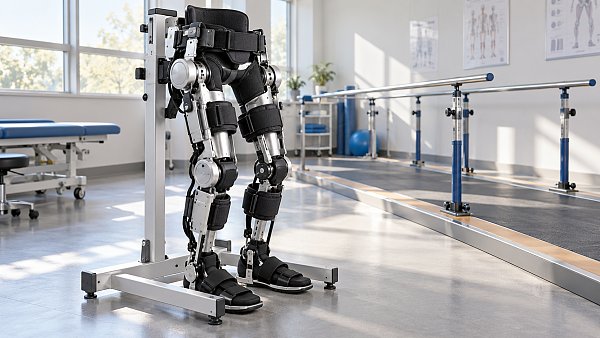
 Choosing Powered Exoskeleton Rehabilitation Devices for Post-Stroke Gait TrainingCompare powered exoskeleton rehabilitation devices for post-stroke gait training. Explore patient fit, safety, clinical evidence, and costs to choose the right system for your service.
 Commerce Ministry: Exoskeleton Sales on Key Platforms Rise 46.4% in Jan–Sep 2026Exoskeleton sales rose 46.4% on key platforms in Jan–Sep 2026, according to supplied Commerce Ministry data. Explore procurement insights and key checks for suppliers and buyers.
 Wearable Exoskeleton Rehabilitation Devices: Key Criteria for Gait TrainingCompare wearable exoskeleton rehabilitation devices for gait training. Discover key criteria for patient fit, safety, assistance, and clinical evidence to guide smarter selection.
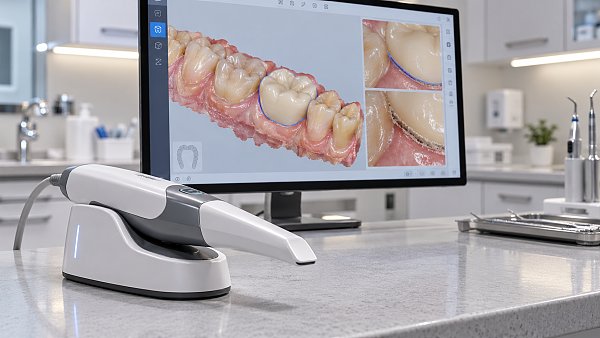
 3D Intraoral Scans Show High Specificity for Caries Around Restorations3D intraoral scans show high specificity for caries around restorations, but sensitivity varies. Explore what these findings mean for secondary caries assessment.
 Specialty Medical Equipment Specifications: Performance and Compatibility ChecksEvaluate specialty medical equipment specifications with practical performance and compatibility checks. Discover how to avoid costly mismatches and make confident hospital purchasing decisions.
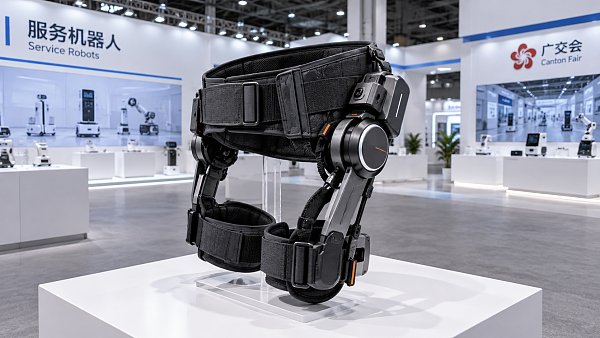
 Taixi Intelligent Exoskeleton Robot Showcased at the 140th Canton FairExplore Taixi Intelligent’s Yinyue X1 exoskeleton, reportedly showcased at the 140th Canton Fair. Discover its features and key compliance checks for overseas buyers.
 Robotic Rehabilitation Devices: How to Evaluate Systems for Gait TrainingCompare robotic rehabilitative medical devices for gait training. Discover how to assess patient fit, safety, clinical evidence, and costs to choose the right system for your program.
 UK Confirms Indefinite Recognition of CE-Marked Medical DevicesCE-marked medical devices gain indefinite recognition in Great Britain. Discover what this means for UKCA requirements, compliance planning and long-term supply continuity.
 Electric Dental Chairs: How to Assess Load Capacity, Positioning, and SafetyChoosing electric dental chair equipment? Learn how to verify load capacity, assess positioning, and check safety controls to make a confident, evidence-based purchase.
 Runyes Opens New Ningbo Plant at Global Partner SummitRunyes opens a new Ningbo plant at its 2026 Global Partner Summit. Explore what the expansion could mean for digital dental equipment, global partners, and procurement planning.
 Medical Think Tank Research for Procurement: Evidence and Bias ChecksMedical think tank procurement research: learn to verify evidence, spot bias, and assess lifecycle costs so you can turn insights into defensible hospital equipment decisions.
 Femtosecond Laser Docking: How to Troubleshoot Repeated Suction LossFemtosecond laser systems with docking: troubleshoot repeated suction loss, identify seal and vacuum issues, and explore key safety checks before another attempt. Read the guide.
 Sterilization Standards: What Documentation Do Hospitals Need for Audits?Strengthen sterilization compliance standards documentation with essential audit records, monitoring evidence, and traceability guidance. Discover how to prepare your hospital for audits.
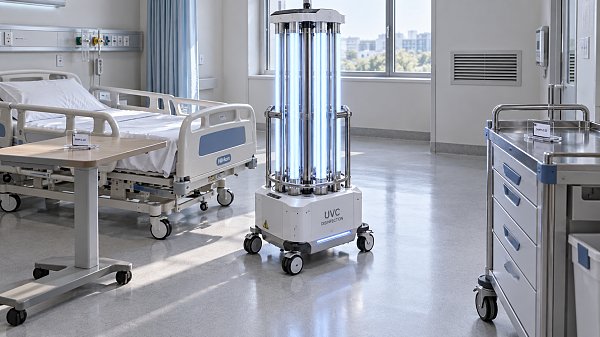
 Hospital Disinfection System Manufacturers: Efficacy Evidence Buyers Should RequestChoosing a hospital disinfection systems manufacturer? Discover the efficacy reports, safety records, and site trials to request to verify claims and buy with confidence.
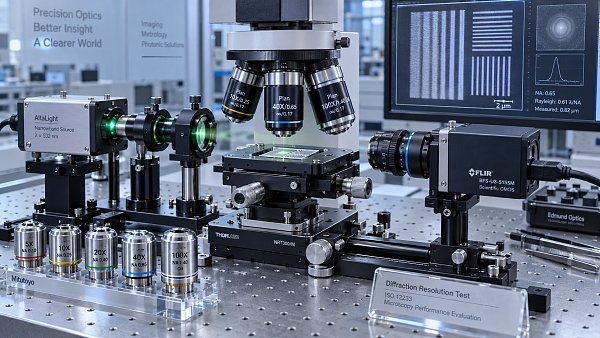
 Optical Diffraction Limits Explained: How Wavelength and NA Set ResolutionOptical diffraction limits explained: Learn how wavelength and NA shape resolution, compare optical specifications confidently, and spot misleading claims before choosing imaging equipment.
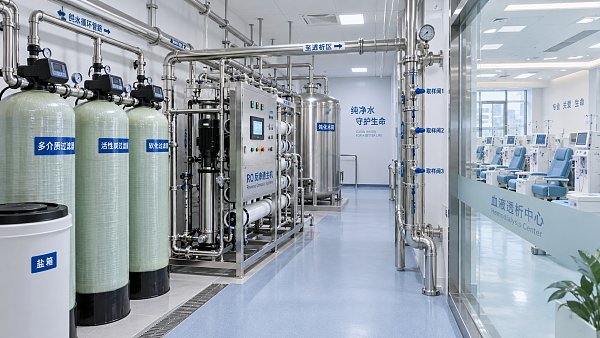
 Dialysis Center Equipment Checklist: What to Buy Before OpeningExplore end stage renal disease equipment for dialysis centers with an opening checklist for machines, water systems, and supplies. Plan smarter purchases and avoid costly startup delays.
 Dental Clinic Infection Control: Daily Checks for Instruments and SurfacesExplore infection control solutions for dental clinics with practical daily checks for instruments, sterilization, and surfaces. Learn how to spot failures and strengthen patient safety.
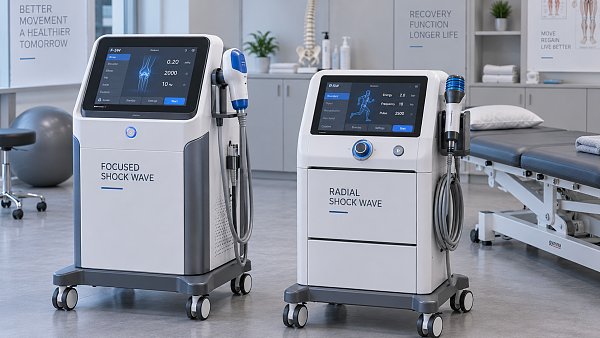
 Focused vs. Radial Shockwave Equipment: Clinical Uses and Selection CriteriaExplore this therapeutic equipment comparison of focused vs. radial shockwave systems. Compare clinical uses, targeting, evidence, and costs to choose the right fit for your clinic.
 What Is Driving Demand for Elderly Care Equipment in Home and Facility Settings?Elderly care equipment demand is rising as home care, staff shortages, chronic disease, and safety needs reshape buying decisions. Discover the trends driving smarter care.
 How to Evaluate a Dental Equipment Supplier Before Equipping a New ClinicDental equipment supplier evaluation made simple: compare workflow fit, installation, infection control, digital integration, service support, and total ownership costs before opening your clinic.





Global Trade Insights & Industry
Our mission is to empower global exporters and importers with data-driven insights that foster strategic growth.
Search News
Popular Tags
Industry Overview
The global commercial kitchen equipment market is projected to reach $112 billion by 2027. Driven by urbanization, the rise of e-commerce food delivery, and strict hygiene regulations.