 Get Insights


Are hemodialysis machines costly to maintain?
Are Hemodialysis Machines Costly to Maintain? Scenario-Based Cost Judgement
For after-sales maintenance operations, the real cost of hemodialysis machines is not limited to spare parts or scheduled servicing.
It lies in uptime, water quality stability, calibration accuracy, consumable compatibility, and patient safety compliance.
Dialysis providers depend on these systems three times weekly for each patient, so even minor failures can disrupt treatment schedules.
This article examines why hemodialysis machines can be costly to maintain, what drives expenses, and how preventive planning reduces service burden.
When Hemodialysis Machines Become Expensive in Real Clinical Scenarios
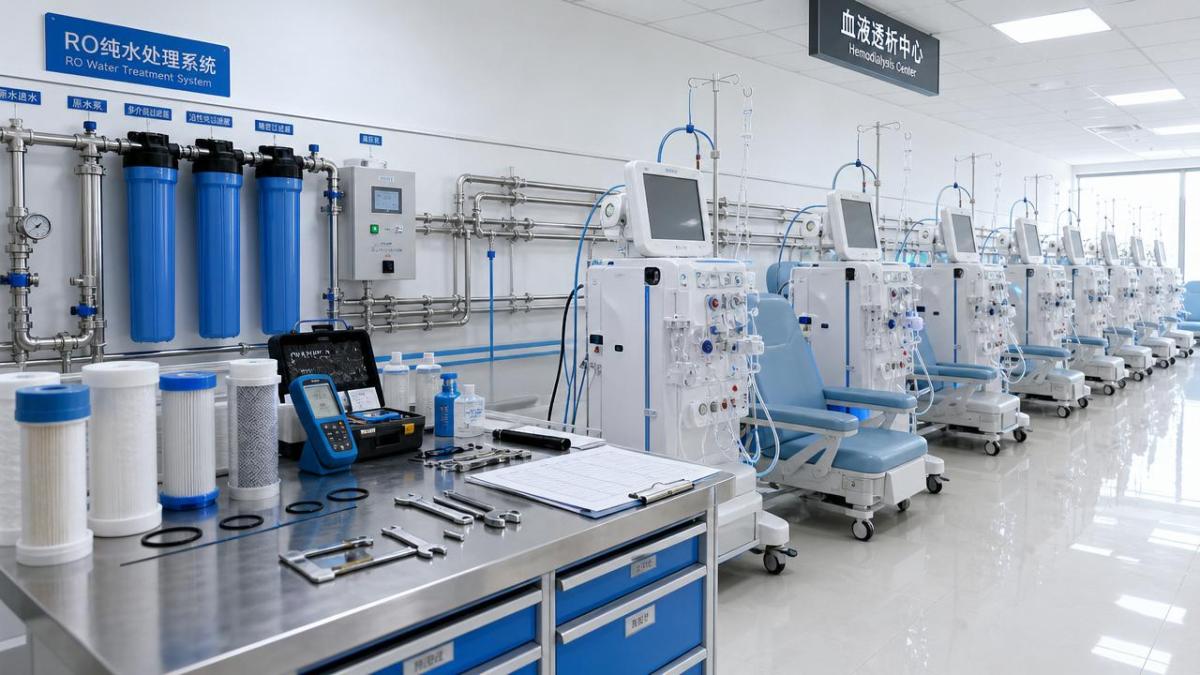
The maintenance cost of hemodialysis machines changes sharply by operating environment, treatment volume, water quality, and staff discipline.
A low-volume clinic may face predictable servicing, while a high-throughput center may experience accelerated pump, valve, and sensor wear.
The most expensive failures are rarely isolated mechanical issues. They often involve cascading downtime across treatment rooms.
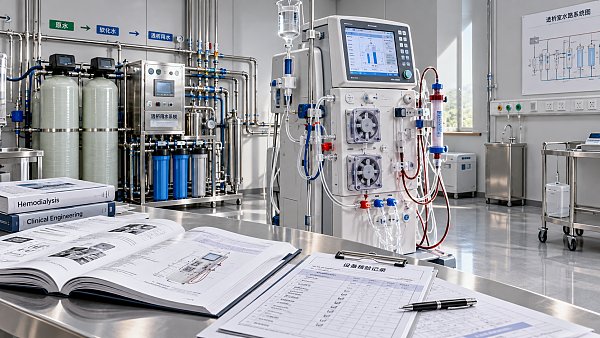
Because hemodialysis machines interface with blood, dialysate, RO water, and disinfection chemistry, maintenance must protect multiple safety layers.
Cost judgement therefore requires a scenario-first view, not a simple annual spare-parts estimate.
Scenario Background: Why Maintenance Needs Differ Across Dialysis Settings
Hemodialysis machines operate inside a demanding ecosystem. Their performance depends on fluidics, electronics, software, sensors, and water treatment.
A stable device can still fail clinically if dialysate conductivity drifts or disinfection routines are poorly verified.
Cost also rises when corrective maintenance replaces preventive maintenance. Emergency callouts, delayed sessions, and temporary machine shortages increase hidden losses.
In infection control terms, hemodialysis machines must support reliable barriers against microbial contamination and chemical residue risk.
In capital planning terms, the equipment is part of an “equipment plus consumables” lifecycle model.
That model includes dialyzers, bloodlines, bicarbonate cartridges, disinfectants, filters, seals, sensors, and service contracts.
High-Volume Dialysis Centers: Uptime Becomes the Main Cost Driver
In high-volume centers, hemodialysis machines may run multiple shifts daily. Utilization pressure turns small wear into operational risk.
Blood pumps, ultrafiltration control components, balancing chambers, pressure sensors, and venous clamps face repeated stress.
The core judgement point is not whether a part is expensive. It is whether failure interrupts scheduled treatments.
When one station is unavailable, rescheduling affects patient flow, nursing time, chair utilization, and emergency capacity.
For these settings, hemodialysis machines are costly to maintain when spare-parts logistics and service response are weak.
Judgement Point: Utilization Rate Versus Backup Capacity
A center with 90% station utilization needs faster replacement planning than a center with flexible scheduling capacity.
Preventive replacement of pump tubing interfaces, O-rings, filters, and calibration-sensitive parts can reduce sudden downtime.
The service plan should track hours of operation, alarm frequency, disinfection cycles, and repeated conductivity deviations.
Hospital Renal Units: Compliance and Documentation Raise Maintenance Complexity
Hospital renal units often operate with stricter audit expectations, complex patient acuity, and integrated infection control requirements.
Here, hemodialysis machines are maintained not only for performance, but also for traceable clinical governance.
Calibration records, disinfection logs, alarm history, leakage checks, and safety tests become part of compliance evidence.
If documentation is incomplete, the equipment may be operational but still unacceptable during internal or external review.
Costs rise when maintenance teams must reconstruct missing records, repeat tests, or quarantine devices unnecessarily.
Judgement Point: Maintenance Records Are Clinical Risk Controls
Every preventive action should leave auditable proof. This includes technician identity, test values, parts used, and next due date.
For hemodialysis machines, undocumented servicing can be almost as costly as physical failure.
Strong digital maintenance logs reduce repeat work and support faster decision-making during audits or incident investigations.
Water Quality Scenarios: RO Stability Can Decide the Real Maintenance Bill
Hemodialysis machines depend on medical-grade water. Poor water quality accelerates scaling, biofilm risk, and sensor instability.
Even premium equipment becomes expensive if feed water contains variable hardness, endotoxin risk, or residual disinfectant problems.
Conductivity alarms, temperature deviations, and flow restrictions may indicate upstream water treatment issues, not machine defects.
Replacing parts without correcting RO quality creates repeated service loops and avoidable cost.
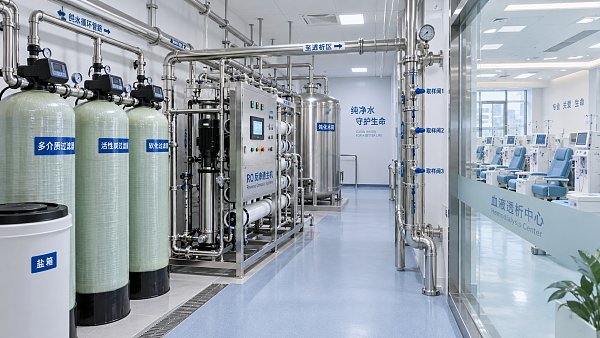
This is why lifecycle maintenance for hemodialysis machines must include the water plant, distribution loop, and sampling schedule.
Judgement Point: Separate Machine Faults from Water System Faults
Repeated dialysate alarms across several stations usually point beyond individual machine failure.
Trend analysis should compare affected stations, timestamps, RO performance, disinfection cycles, and water test results.
This prevents unnecessary board replacement, sensor replacement, or extended downtime for healthy hemodialysis machines.
Home Dialysis and Small Clinics: Lower Volume, Higher Support Sensitivity
Home dialysis and small clinics may use fewer hemodialysis machines, but each unit carries higher dependency.
A single failure may eliminate the entire treatment capacity for that location or household schedule.
Costs may appear lower because operating hours are reduced. However, logistics, remote troubleshooting, and user training become critical.
Delayed support can increase missed treatments, emergency transfers, or unnecessary replacement shipments.
For compact hemodialysis machines, maintenance planning should emphasize remote diagnostics, simplified consumable handling, and clear alarm response protocols.
Judgement Point: Simplicity Reduces Support Cost
Small-scale settings benefit from standardized parts, intuitive cleaning procedures, and accessible preventive checklists.
The more specialized the service requirement, the higher the real cost of keeping hemodialysis machines available.
Cost Drivers Behind Hemodialysis Machines in Different Scenarios
This comparison shows why hemodialysis machines cannot be evaluated by purchase price alone.
Maintenance economics depend on how the device interacts with schedules, water systems, consumables, and compliance expectations.
Scenario Adaptation: How to Reduce Long-Term Maintenance Burden
A practical maintenance strategy should convert risk patterns into routine actions. The goal is fewer surprises, not only cheaper repairs.
- Use operation-hour-based servicing for heavily used hemodialysis machines.
- Create minimum stock levels for high-failure consumable and wear parts.
- Track conductivity, pressure, temperature, and ultrafiltration deviations as early warnings.
- Connect machine maintenance data with RO water test data.
- Standardize disinfection validation and chemical residue checks.
- Review alarm history monthly to detect recurring hidden faults.
- Keep service documentation audit-ready after every intervention.
These actions reduce emergency repairs and extend the stable service life of hemodialysis machines.
They also improve patient confidence because fewer sessions are delayed by preventable technical interruptions.
Common Misjudgements That Make Hemodialysis Machines Cost More
One common mistake is treating alarms as isolated events. Repeated alarms often reveal pattern-based failures.
Another mistake is ignoring water system influence. Many expensive service loops begin with unstable water quality.
A third mistake is underestimating calibration. Ultrafiltration accuracy, pressure monitoring, and conductivity control require disciplined verification.
Using incompatible consumables can also increase maintenance cost. Poor fit may stress connectors, sensors, or fluid pathways.
Finally, delaying minor repairs can be costly. Hemodialysis machines often show early warning signs before major downtime.
Ignored Cost: Staff Time and Treatment Rescheduling
Maintenance expense is not only invoice value. Staff time, repeated cleaning, patient rescheduling, and idle chairs all matter.
When hemodialysis machines fail during peak shifts, the operational cost can exceed the replacement part cost.
A Practical Cost-Control Framework for Hemodialysis Machines
A useful framework separates maintenance into four layers: device, water, consumables, and workflow.
- Device layer: pumps, valves, sensors, boards, software, safety alarms, and calibration.
- Water layer: RO output, distribution loop, microbial testing, endotoxin control, and hardness trends.
- Consumable layer: dialyzers, bloodlines, filters, concentrates, cartridges, and disinfectants.
- Workflow layer: shift density, cleaning intervals, documentation, training, and backup capacity.
When these layers are monitored together, hemodialysis machines become easier to maintain and forecast.
The strongest programs convert maintenance data into replacement timing, staff training, and procurement decisions.
Conclusion: Are Hemodialysis Machines Costly to Maintain?
Yes, hemodialysis machines can be costly to maintain, especially when downtime, water instability, and compliance gaps are unmanaged.
However, high cost is not inevitable. Preventive maintenance, data tracking, and water-system integration can lower lifecycle burden.
The most reliable judgement is scenario-based. High-volume centers, hospitals, small clinics, and home settings each need different controls.
For a practical next step, build a maintenance map covering operating hours, alarm trends, RO quality, parts stock, and documentation status.
With that map, hemodialysis machines can shift from reactive repair liabilities into predictable, safety-centered clinical assets.
Recommended News
 Medical Compliance Reference: U.S. Infection Control Rules vs. GuidanceUse this medical compliance reference to distinguish U.S. infection control rules from guidance, clarify OSHA, CMS, FDA and CDC roles, and identify gaps before your next audit.
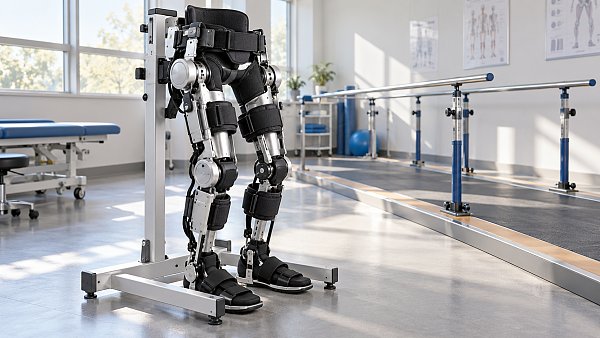
 Choosing Powered Exoskeleton Rehabilitation Devices for Post-Stroke Gait TrainingCompare powered exoskeleton rehabilitation devices for post-stroke gait training. Explore patient fit, safety, clinical evidence, and costs to choose the right system for your service.
 Commerce Ministry: Exoskeleton Sales on Key Platforms Rise 46.4% in Jan–Sep 2026Exoskeleton sales rose 46.4% on key platforms in Jan–Sep 2026, according to supplied Commerce Ministry data. Explore procurement insights and key checks for suppliers and buyers.
 Wearable Exoskeleton Rehabilitation Devices: Key Criteria for Gait TrainingCompare wearable exoskeleton rehabilitation devices for gait training. Discover key criteria for patient fit, safety, assistance, and clinical evidence to guide smarter selection.
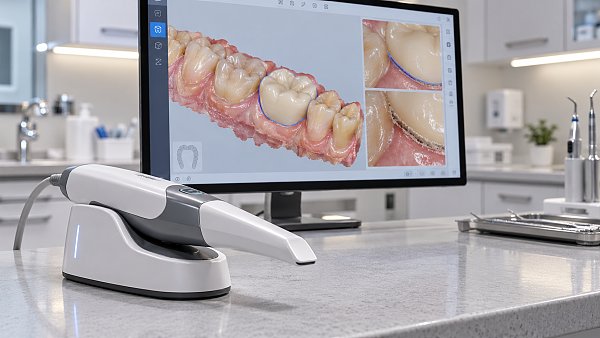
 3D Intraoral Scans Show High Specificity for Caries Around Restorations3D intraoral scans show high specificity for caries around restorations, but sensitivity varies. Explore what these findings mean for secondary caries assessment.
 Specialty Medical Equipment Specifications: Performance and Compatibility ChecksEvaluate specialty medical equipment specifications with practical performance and compatibility checks. Discover how to avoid costly mismatches and make confident hospital purchasing decisions.
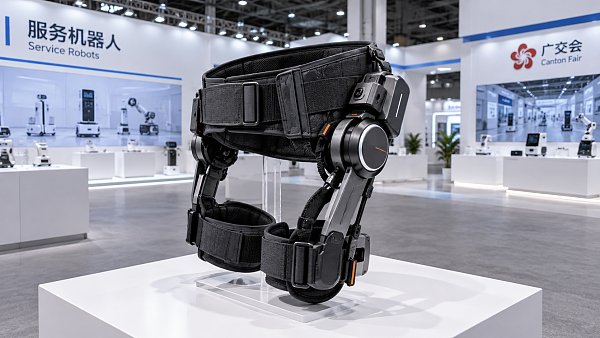
 Taixi Intelligent Exoskeleton Robot Showcased at the 140th Canton FairExplore Taixi Intelligent’s Yinyue X1 exoskeleton, reportedly showcased at the 140th Canton Fair. Discover its features and key compliance checks for overseas buyers.
 Robotic Rehabilitation Devices: How to Evaluate Systems for Gait TrainingCompare robotic rehabilitative medical devices for gait training. Discover how to assess patient fit, safety, clinical evidence, and costs to choose the right system for your program.
 UK Confirms Indefinite Recognition of CE-Marked Medical DevicesCE-marked medical devices gain indefinite recognition in Great Britain. Discover what this means for UKCA requirements, compliance planning and long-term supply continuity.
 Electric Dental Chairs: How to Assess Load Capacity, Positioning, and SafetyChoosing electric dental chair equipment? Learn how to verify load capacity, assess positioning, and check safety controls to make a confident, evidence-based purchase.
 Runyes Opens New Ningbo Plant at Global Partner SummitRunyes opens a new Ningbo plant at its 2026 Global Partner Summit. Explore what the expansion could mean for digital dental equipment, global partners, and procurement planning.
 Medical Think Tank Research for Procurement: Evidence and Bias ChecksMedical think tank procurement research: learn to verify evidence, spot bias, and assess lifecycle costs so you can turn insights into defensible hospital equipment decisions.
 Femtosecond Laser Docking: How to Troubleshoot Repeated Suction LossFemtosecond laser systems with docking: troubleshoot repeated suction loss, identify seal and vacuum issues, and explore key safety checks before another attempt. Read the guide.
 Sterilization Standards: What Documentation Do Hospitals Need for Audits?Strengthen sterilization compliance standards documentation with essential audit records, monitoring evidence, and traceability guidance. Discover how to prepare your hospital for audits.
 Hospital Disinfection System Manufacturers: Efficacy Evidence Buyers Should RequestChoosing a hospital disinfection systems manufacturer? Discover the efficacy reports, safety records, and site trials to request to verify claims and buy with confidence.
 Optical Diffraction Limits Explained: How Wavelength and NA Set ResolutionOptical diffraction limits explained: Learn how wavelength and NA shape resolution, compare optical specifications confidently, and spot misleading claims before choosing imaging equipment.
 Dialysis Center Equipment Checklist: What to Buy Before OpeningExplore end stage renal disease equipment for dialysis centers with an opening checklist for machines, water systems, and supplies. Plan smarter purchases and avoid costly startup delays.
 Dental Clinic Infection Control: Daily Checks for Instruments and SurfacesExplore infection control solutions for dental clinics with practical daily checks for instruments, sterilization, and surfaces. Learn how to spot failures and strengthen patient safety.
 Focused vs. Radial Shockwave Equipment: Clinical Uses and Selection CriteriaExplore this therapeutic equipment comparison of focused vs. radial shockwave systems. Compare clinical uses, targeting, evidence, and costs to choose the right fit for your clinic.
 What Is Driving Demand for Elderly Care Equipment in Home and Facility Settings?Elderly care equipment demand is rising as home care, staff shortages, chronic disease, and safety needs reshape buying decisions. Discover the trends driving smarter care.
 How to Evaluate a Dental Equipment Supplier Before Equipping a New ClinicDental equipment supplier evaluation made simple: compare workflow fit, installation, infection control, digital integration, service support, and total ownership costs before opening your clinic.



Global Trade Insights & Industry
Our mission is to empower global exporters and importers with data-driven insights that foster strategic growth.
Search News
Popular Tags
Industry Overview
The global commercial kitchen equipment market is projected to reach $112 billion by 2027. Driven by urbanization, the rise of e-commerce food delivery, and strict hygiene regulations.