 Get Insights


Why dental implant equipment costs vary so much
Why does dental implant equipment pricing range from entry-level setups to premium digital ecosystems? For many healthcare businesses, the gap is rarely about one machine alone.
It reflects imaging precision, software integration, sterilization standards, clinical throughput, service coverage, and lifecycle reliability. These factors shape the real value of dental implant equipment over time.
Across the broader medical technology landscape, implant dentistry is moving toward faster, safer, and more connected workflows. That shift is one major reason equipment costs now vary more sharply than before.
The market is shifting from standalone tools to connected dental implant equipment systems
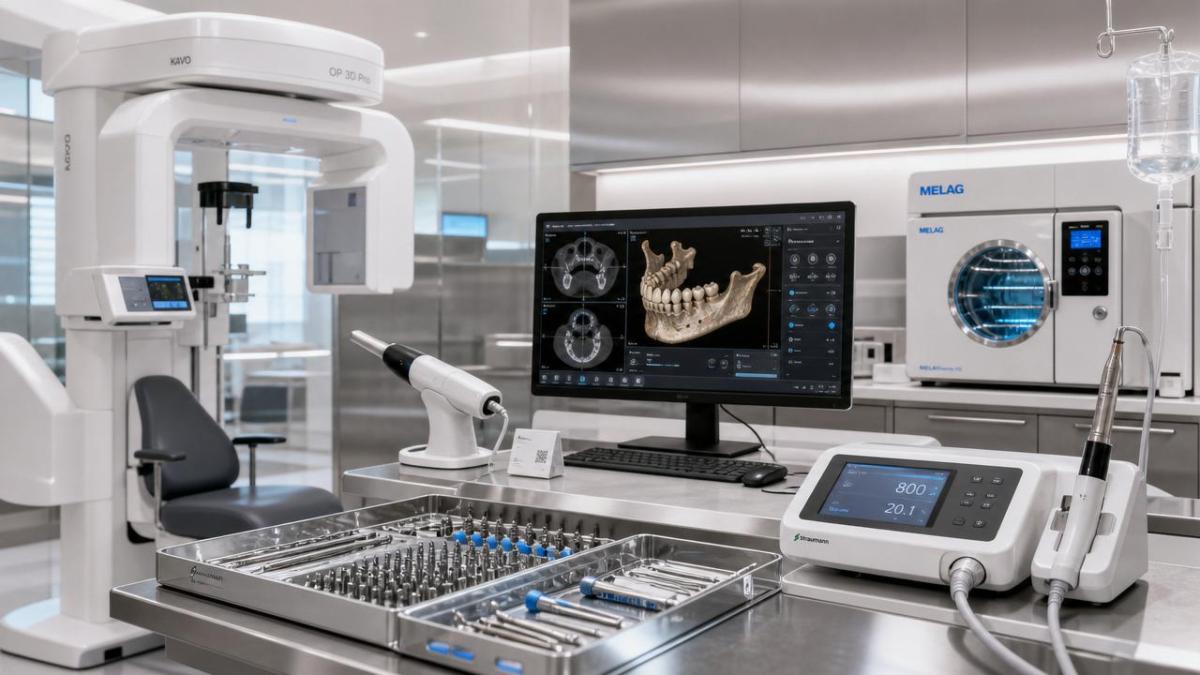
Years ago, many clinics could build implant capacity with separate devices bought at different times. Today, digital planning, guided surgery, and chairside production are changing expectations.
As a result, dental implant equipment is increasingly evaluated as a workflow ecosystem, not as isolated capital items. That transition makes prices look less comparable on the surface.
A basic motor, imaging device, or scanner may appear affordable. Yet total system cost rises when compatibility, planning software, sterilization compliance, and support packages are included.
This trend also links dentistry to wider MedTech dynamics. Across sterilization, rehab, blood purification, and ophthalmic care, buyers increasingly prefer integrated equipment with predictable outcomes.
Several cost drivers explain why dental implant equipment prices separate so widely
Price variation usually comes from stacked technical and operational differences. The table below shows the biggest factors shaping dental implant equipment costs.
In other words, two packages labeled dental implant equipment may support very different clinical ambitions. One supports basic placement. Another supports a full digital implant pathway.
Technology upgrades are the strongest force behind dental implant equipment cost divergence
The most expensive jump often comes from digital imaging and planning. CBCT systems differ in detector sensitivity, reconstruction speed, and image consistency around metal structures.
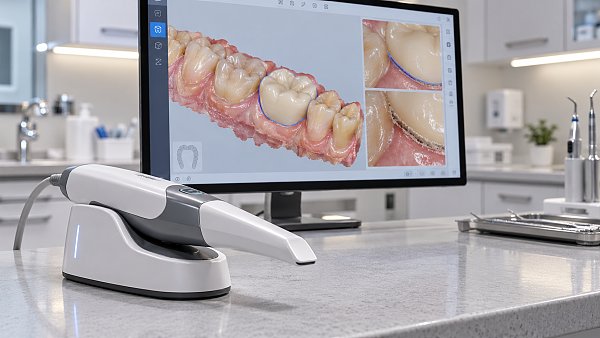
Intraoral scanners also vary widely. Faster capture, better soft-tissue rendering, and easier implant scan body recognition can improve planning quality and patient experience.
Surgical motors are another example. Premium systems may offer calibrated torque delivery, smoother irrigation control, and data recording that supports standardized implant protocols.
Software adds another layer. Open systems may reduce lock-in, while closed ecosystems may improve workflow stability. Both models influence the final price of dental implant equipment.
This mirrors broader medical equipment trends. Across high-value specialties, software is no longer an accessory. It is part of therapeutic performance and commercial differentiation.
Why premium systems often cost more beyond hardware
- Validation of imaging and planning accuracy
- Cybersecurity, cloud backup, and update management
- User training for guided implant workflows
- Compatibility testing across scanners, printers, and mills
- Documentation for regulatory and quality requirements
Sterilization, compliance, and infection control quietly reshape equipment value
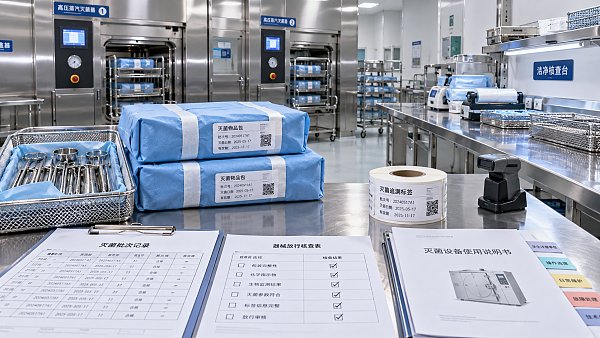
In implant dentistry, the visible device is only part of the equation. Reprocessing, traceability, and infection control standards can materially influence purchasing cost.
Handpieces, surgical trays, irrigation lines, and accessory materials must tolerate repeated sterilization cycles without performance loss. Better material design usually raises the initial price.
Documentation matters too. Facilities increasingly examine whether dental implant equipment fits internal sterilization workflows and broader quality assurance systems.
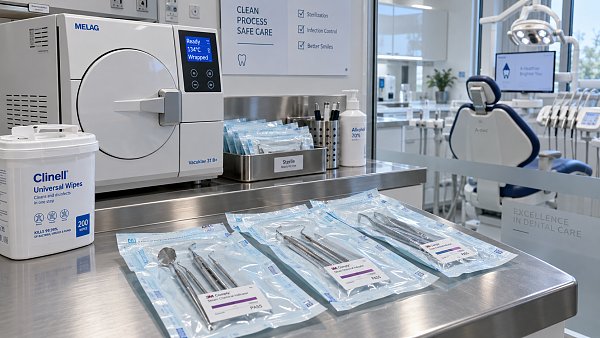
This is where the wider MTIC perspective becomes useful. Infection defense is not separate from treatment performance. Sterile workflow reliability directly supports patient safety and operational continuity.
Lower-cost equipment may still work well clinically. But if cleaning protocols are unclear or consumable traceability is weak, the real ownership risk becomes higher.
The impact reaches operations, patient experience, and long-term economics
When dental implant equipment prices differ, the consequences extend beyond budgeting. Workflow speed, case acceptance, remakes, and maintenance downtime can all change.
A lower upfront package may suit limited implant volumes. However, slower data transfer, fragmented software, or less responsive support can reduce throughput later.
A higher-spec package may shorten planning time, improve communication, and support guided surgery expansion. The value appears gradually through efficiency and consistency.
Common areas influenced by equipment tier
- Image-driven diagnosis and treatment confidence
- Speed of implant planning and guide production
- Reprocessing reliability and audit readiness
- Staff learning curve and protocol standardization
- Service continuity and spare-part availability
Smart evaluation of dental implant equipment now depends on total ownership thinking
The most useful comparison is not cheapest versus most advanced. It is expected clinical scope versus total ownership burden across several years.
A practical review should cover capital cost, software fees, maintenance contracts, consumables, downtime exposure, and training requirements. These often outweigh sticker price differences.
What deserves the closest attention as dental implant equipment keeps evolving
- Whether equipment supports phased upgrades instead of full replacement
- How software subscriptions affect five-year cost visibility
- Whether sterilization and infection control align with institutional protocols
- How much workflow value comes from true integration, not marketing claims
- Whether support quality is local, timely, and technically competent
The strongest investments usually sit between extremes. They deliver dependable performance, scalable digital capability, and manageable lifecycle costs without unnecessary complexity.
A clear next step is to compare dental implant equipment by workflow outcome, not by headline price
Build a side-by-side matrix covering imaging, surgery, sterilization, software, service, and recurring fees. This quickly reveals where apparent savings may hide operational friction.
It also helps connect implant equipment decisions with wider medical equipment priorities: precision, safety, uptime, and long-term treatment value.
In today’s market, dental implant equipment costs vary so much because the category itself has changed. It now blends mechanics, digital intelligence, and sterile workflow discipline.
Understanding that shift makes comparison more strategic and investment decisions more durable. The best choice is the one that fits real clinical goals while protecting future flexibility.
Recommended News
 Medical Compliance Reference: U.S. Infection Control Rules vs. GuidanceUse this medical compliance reference to distinguish U.S. infection control rules from guidance, clarify OSHA, CMS, FDA and CDC roles, and identify gaps before your next audit.
 Choosing Powered Exoskeleton Rehabilitation Devices for Post-Stroke Gait TrainingCompare powered exoskeleton rehabilitation devices for post-stroke gait training. Explore patient fit, safety, clinical evidence, and costs to choose the right system for your service.
 Commerce Ministry: Exoskeleton Sales on Key Platforms Rise 46.4% in Jan–Sep 2026Exoskeleton sales rose 46.4% on key platforms in Jan–Sep 2026, according to supplied Commerce Ministry data. Explore procurement insights and key checks for suppliers and buyers.
 Wearable Exoskeleton Rehabilitation Devices: Key Criteria for Gait TrainingCompare wearable exoskeleton rehabilitation devices for gait training. Discover key criteria for patient fit, safety, assistance, and clinical evidence to guide smarter selection.
 3D Intraoral Scans Show High Specificity for Caries Around Restorations3D intraoral scans show high specificity for caries around restorations, but sensitivity varies. Explore what these findings mean for secondary caries assessment.
 Specialty Medical Equipment Specifications: Performance and Compatibility ChecksEvaluate specialty medical equipment specifications with practical performance and compatibility checks. Discover how to avoid costly mismatches and make confident hospital purchasing decisions.
 Taixi Intelligent Exoskeleton Robot Showcased at the 140th Canton FairExplore Taixi Intelligent’s Yinyue X1 exoskeleton, reportedly showcased at the 140th Canton Fair. Discover its features and key compliance checks for overseas buyers.
 Robotic Rehabilitation Devices: How to Evaluate Systems for Gait TrainingCompare robotic rehabilitative medical devices for gait training. Discover how to assess patient fit, safety, clinical evidence, and costs to choose the right system for your program.
 UK Confirms Indefinite Recognition of CE-Marked Medical DevicesCE-marked medical devices gain indefinite recognition in Great Britain. Discover what this means for UKCA requirements, compliance planning and long-term supply continuity.
 Electric Dental Chairs: How to Assess Load Capacity, Positioning, and SafetyChoosing electric dental chair equipment? Learn how to verify load capacity, assess positioning, and check safety controls to make a confident, evidence-based purchase.
 Runyes Opens New Ningbo Plant at Global Partner SummitRunyes opens a new Ningbo plant at its 2026 Global Partner Summit. Explore what the expansion could mean for digital dental equipment, global partners, and procurement planning.
 Medical Think Tank Research for Procurement: Evidence and Bias ChecksMedical think tank procurement research: learn to verify evidence, spot bias, and assess lifecycle costs so you can turn insights into defensible hospital equipment decisions.
 Femtosecond Laser Docking: How to Troubleshoot Repeated Suction LossFemtosecond laser systems with docking: troubleshoot repeated suction loss, identify seal and vacuum issues, and explore key safety checks before another attempt. Read the guide.
 Sterilization Standards: What Documentation Do Hospitals Need for Audits?Strengthen sterilization compliance standards documentation with essential audit records, monitoring evidence, and traceability guidance. Discover how to prepare your hospital for audits.
 Hospital Disinfection System Manufacturers: Efficacy Evidence Buyers Should RequestChoosing a hospital disinfection systems manufacturer? Discover the efficacy reports, safety records, and site trials to request to verify claims and buy with confidence.
 Optical Diffraction Limits Explained: How Wavelength and NA Set ResolutionOptical diffraction limits explained: Learn how wavelength and NA shape resolution, compare optical specifications confidently, and spot misleading claims before choosing imaging equipment.
 Dialysis Center Equipment Checklist: What to Buy Before OpeningExplore end stage renal disease equipment for dialysis centers with an opening checklist for machines, water systems, and supplies. Plan smarter purchases and avoid costly startup delays.
 Dental Clinic Infection Control: Daily Checks for Instruments and SurfacesExplore infection control solutions for dental clinics with practical daily checks for instruments, sterilization, and surfaces. Learn how to spot failures and strengthen patient safety.
 Focused vs. Radial Shockwave Equipment: Clinical Uses and Selection CriteriaExplore this therapeutic equipment comparison of focused vs. radial shockwave systems. Compare clinical uses, targeting, evidence, and costs to choose the right fit for your clinic.
 What Is Driving Demand for Elderly Care Equipment in Home and Facility Settings?Elderly care equipment demand is rising as home care, staff shortages, chronic disease, and safety needs reshape buying decisions. Discover the trends driving smarter care.
 How to Evaluate a Dental Equipment Supplier Before Equipping a New ClinicDental equipment supplier evaluation made simple: compare workflow fit, installation, infection control, digital integration, service support, and total ownership costs before opening your clinic.


Global Trade Insights & Industry
Our mission is to empower global exporters and importers with data-driven insights that foster strategic growth.
Search News
Popular Tags
Industry Overview
The global commercial kitchen equipment market is projected to reach $112 billion by 2027. Driven by urbanization, the rise of e-commerce food delivery, and strict hygiene regulations.