 Get Insights


How to Choose Dental CBCT Machines for Orthodontics by FOV, Resolution, and Workflow
Choosing dental CBCT machines for orthodontics is less about chasing the highest specification sheet and more about matching imaging capacity to real treatment flow. In orthodontic care, field of view, voxel size, scan speed, software usability, and infection-conscious operation all affect whether a system supports confident planning or creates friction. As digital dentistry becomes a stronger part of consumer healthcare, CBCT selection now sits at the intersection of clinical precision, operational efficiency, and long-term equipment value.
Why CBCT selection matters more in orthodontics
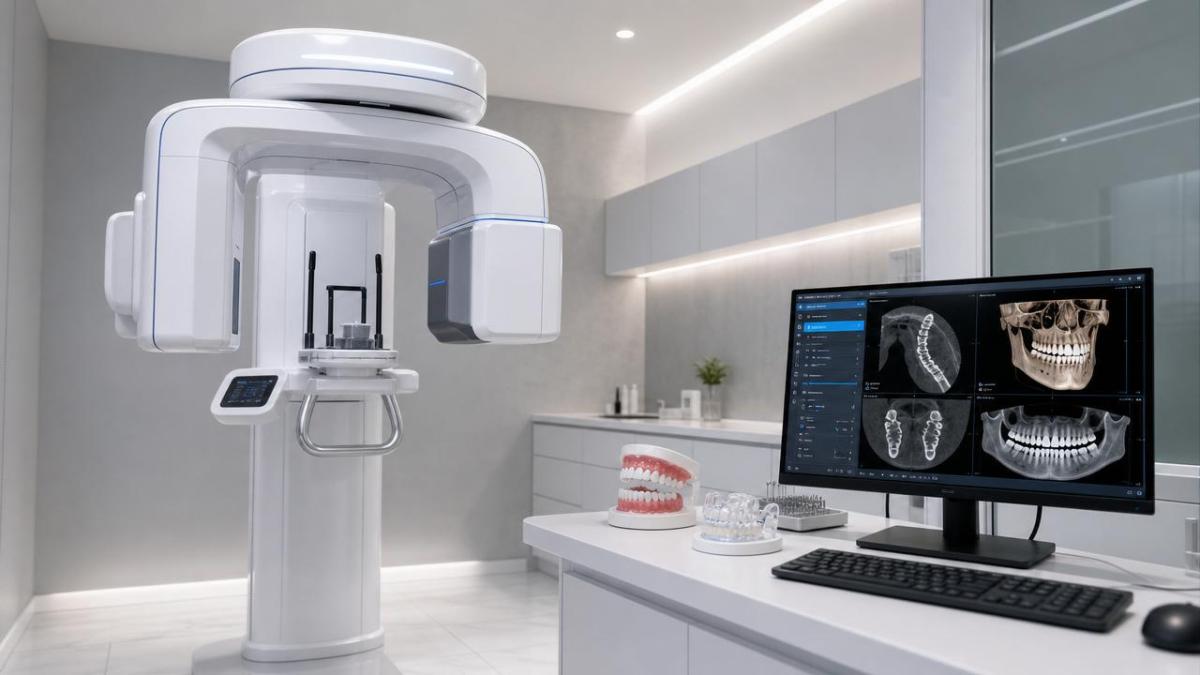
Orthodontics depends on spatial understanding.
That includes root position, impacted teeth, airway structures, bone availability, and craniofacial relationships.
Traditional 2D imaging still has value, but it can hide overlap, distort anatomy, and limit planning in complex cases.
This is why dental CBCT machines for orthodontics are gaining attention across practices that want more reliable diagnosis and better digital coordination.
From MTIC’s broader view of specialty treatment equipment, this trend fits a larger shift.
Dental imaging is no longer an isolated device decision.
It connects to chairside workflow, treatment visualization, infection control discipline, and the economics of digital care delivery.
Start with the clinical questions, not the machine brochure
Before comparing models, it helps to define what the scans must answer.
A practice focused on routine alignment cases may need different capabilities from one handling impacted canines, TAD placement, airway review, or orthognathic collaboration.
In practical terms, dental CBCT machines for orthodontics should be judged by three linked dimensions.
- Can the field of view capture the anatomy needed without overscanning?
- Can the resolution support the diagnostic task without unnecessary dose or file burden?
- Can the workflow fit daily operation, from patient positioning to image export?
These questions narrow choices faster than feature-heavy catalogs.
How to evaluate FOV for orthodontic use
Field of view determines how much anatomy appears in one scan.
For orthodontics, larger is not always better.
A system with multiple selectable FOVs is usually more useful than one fixed large volume.
Smaller FOVs can work well for localized questions, such as impacted tooth position or mini-screw planning.
Medium volumes often suit arch-level and dentoalveolar assessment.
Larger FOVs become relevant when the case includes airway evaluation, TMJ review, asymmetry, or surgical planning.
The best dental CBCT machines for orthodontics usually offer FOV flexibility.
That flexibility helps match the scan to the indication rather than forcing one protocol for every patient.
Resolution should follow the task
Resolution in CBCT is often discussed through voxel size.
Smaller voxels can reveal finer detail, but they also increase data size and may affect scan time, noise, and workflow.
For orthodontics, the key issue is not maximum sharpness in every case.
It is whether the image is sufficiently detailed for the intended decision.
Root proximity, eruption path, cortical boundaries, and resorption risk often need clear visualization.
Yet a routine assessment may not require the same settings as an endodontic investigation.
When comparing dental CBCT machines for orthodontics, ask whether the system offers diagnostic presets that match common tasks.
- High-detail mode for localized complexity
- Standard mode for broader orthodontic planning
- Low-dose protocols for follow-up where appropriate
This matters because image quality and radiation stewardship should be considered together, not as competing ideas.
Workflow can decide whether the investment pays off
Many imaging decisions fail in daily use, not in the demo room.
A strong workflow reduces retakes, training strain, patient movement errors, and software bottlenecks.
That is especially important in busy orthodontic settings with recurring appointments and digital record sharing.
Patient positioning and scan reliability
Stable head support, intuitive alignment aids, and clear positioning guides can improve consistency.
Shorter scan times also help reduce motion artifacts, especially in younger patients.
Software and treatment planning connection
A scan is only useful when it moves smoothly into review and planning.
Look for software that supports airway views, cephalometric tracing, nerve and root visualization, and export into wider digital workflows.
Compatibility with DICOM-based systems matters when cases involve external labs or multi-specialty collaboration.
Cleaning, contact surfaces, and operational hygiene
MTIC’s infection control perspective adds another useful filter.
Dental imaging equipment should support fast, reliable disinfection of patient-contact areas.
Handles, chin rests, bite supports, and control surfaces should be easy to access and clean between patients.
This is rarely the headline feature, but it affects daily discipline and operational safety.
Common selection mistakes to avoid
Several purchasing errors appear repeatedly when reviewing dental CBCT machines for orthodontics.
- Buying the largest FOV by default, even when most cases are limited.
- Equating the smallest voxel with the best practical outcome.
- Ignoring software licensing, upgrade policy, and export flexibility.
- Underestimating installation needs, room layout, and training time.
- Overlooking preventive maintenance, service response, and uptime expectations.
In other words, the right machine is not the one with the most extreme technical ceiling.
It is the one that performs consistently across the cases actually seen every week.
A practical way to compare options
A grounded comparison framework can make vendor discussions more productive.
Instead of asking which unit is best overall, compare them against a shortlist of operational criteria.
This approach keeps the conversation tied to evidence and day-to-day use.
What deserves attention before the final decision
The most useful final step is to simulate real workflow.
Review common case types, expected scan volume, software handoff, cleaning routines, and storage requirements.
If possible, compare sample scans from actual orthodontic indications rather than generic demo images.
For many practices, the strongest dental CBCT machines for orthodontics are those that combine adjustable FOV, task-appropriate resolution, stable workflow, and manageable upkeep.
That balance aligns well with MTIC’s broader view of medical equipment intelligence: technology performs best when clinical finesse, operational discipline, and long-term usability are considered together.
A clear next move is to build a comparison checklist around your own case mix, scan protocols, and digital planning path. Once those factors are visible, equipment choices become easier to evaluate with less guesswork and fewer costly compromises.
Recommended News
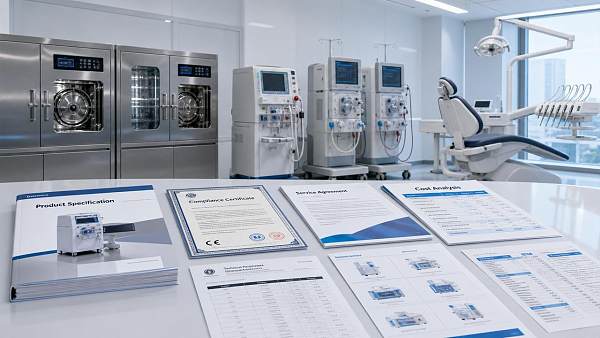
 Hemodialysis Machines Buying Guide: Key Specs, Water Quality, and Lifetime CostHemodialysis machines buying guide covering key specs, water quality risks, service factors, and lifetime cost—compare smarter, reduce downtime, and choose a safer long-term dialysis solution.
 Infection Prevention Technology in CSSD: How to Reduce Reprocessing Errors and Cross-ContaminationInfection prevention technology in CSSD helps reduce reprocessing errors, improve traceability, and control cross-contamination. Learn practical steps to build a safer, audit-ready workflow.
 Medical Rehabilitation Equipment Types Explained: What Fits Clinics, Hospitals, and Home CareMedical rehabilitation equipment explained by care setting—compare the best options for hospitals, rehab clinics, and home care to choose safer, smarter recovery solutions.
 Medical Robotics Manufacturer Evaluation: 9 Criteria for OEM and Hospital BuyersMedical robotics manufacturer evaluation made simple: discover 9 essential criteria OEM teams and hospital buyers should review to reduce risk, ensure compliance, and choose with confidence.
 How to Choose Neurorehabilitation Devices for Stroke, SCI, and Gait RecoveryNeurorehabilitation devices guide for stroke, SCI, and gait recovery: learn how to compare clinical fit, safety, data, and long-term value to choose with confidence.
 EU MDR Tightens Clinical Evidence Checks From Q3 2026EU MDR tightens clinical evidence checks from Q3 2026. Learn how Class IIa+ device makers must prove performance claims with RWD or risk losing EU market access.
 New Export Certificate Covers Unregistered DevicesNew Export Certificate Covers Unregistered Devices: learn how China’s new Type II medical device export certificate helps GMP-qualified makers strengthen compliance, documentation, and buyer trust.
 CMEF Shanghai 2026 Ends as Phaco and CBCT Orders Jump 37%CMEF Shanghai 2026 highlights a 37% surge in Phaco and CBCT orders, revealing rising demand and stricter compliance, delivery, and market-entry expectations in emerging markets.
 FDA Tightens AI SaMD Change-Control RequirementsFDA Tightens AI SaMD Change-Control Requirements: learn how PCCP and lifecycle monitoring now affect 510(k), De Novo filings, AI/ML device updates, and U.S. market access.
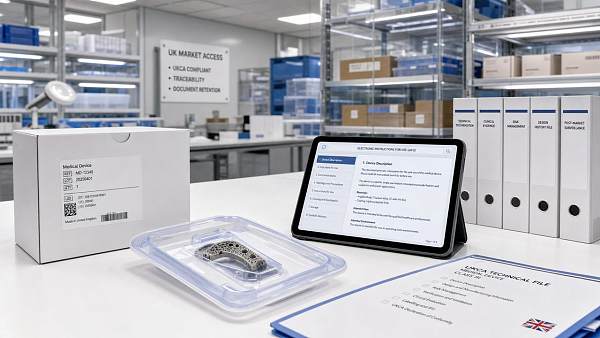
 UK Countdown to UDI and eIFU Rules for IVDsUK Countdown to UDI and eIFU Rules for IVDs: learn how the 2027 UK change impacts UDI, eIFU, labeling, technical files, and GB market access for medical device exporters.
 Building Equipment Consumables Ecosystems: How Distributors Reduce Stockouts and Margin PressureEquipment consumables ecosystems shape uptime, compliance, and margin. See how distributors cut stockouts, align replenishment, and build scenario-specific supply strategies.
 Sterile Processing Equipment for CSSD: Key Parameters for Washer and Sterilizer SelectionSterile processing equipment for CSSD selection starts with the right washer and sterilizer parameters. Learn how to compare performance, validation, traceability, and uptime with confidence.
 What Is Medical Equipment Intelligence and Which Functions Matter in Daily Operations?Medical equipment intelligence improves uptime, compliance, and patient safety. Discover the daily functions that matter most for smarter operations and better asset decisions.
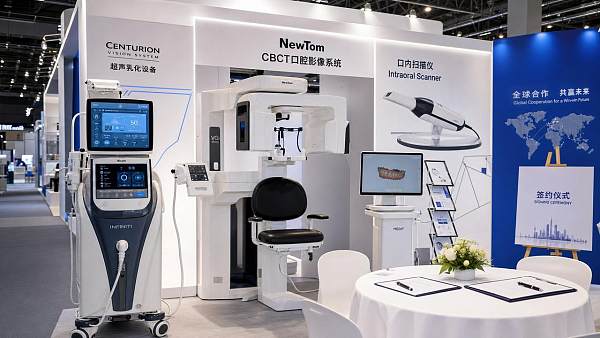
 Digital Dentistry Equipment Selection: CBCT, Intraoral Scanners, and Dental Units ComparedDigital dentistry equipment compared: explore CBCT, intraoral scanners, and dental units to choose a smarter workflow with better accuracy, hygiene, ROI, and patient experience.
 How to Evaluate a Phacoemulsification Machines Supplier for Hospital ProcurementPhacoemulsification machines supplier evaluation for hospital procurement: compare clinical fit, compliance, service, training, and total cost to choose a reliable partner with confidence.
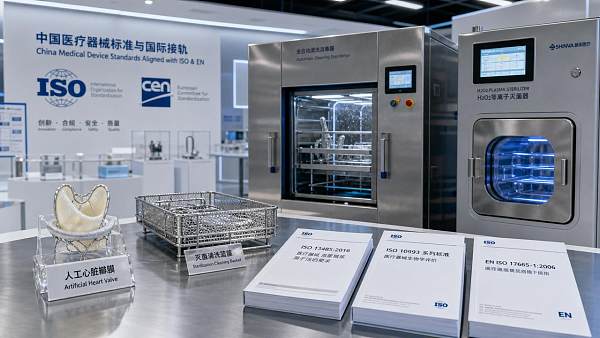
 China Scraps 10 Device Standards, Aligns With ISO/ENChina scraps 10 device standards and moves closer to ISO/EN benchmarks. See what this medical device policy shift means for CE/FDA-certified manufacturers, registration teams, and global trade planning.
 CMEF 2026 Closes With 37% Rise in Phaco and CBCT OrdersCMEF 2026 saw phaco and CBCT orders jump 37%, with Saudi Arabia, Indonesia, and Mexico leading demand. Explore what this means for distributors, OEMs, and global procurement.
 Beijing-Tianjin-Hebei Rule Update Speeds Global Device TrialsBeijing-Tianjin-Hebei rule update speeds global device trials by accepting ISO 14155 overseas data for China registration. See how it impacts compliance, GCP planning, and launch timelines.
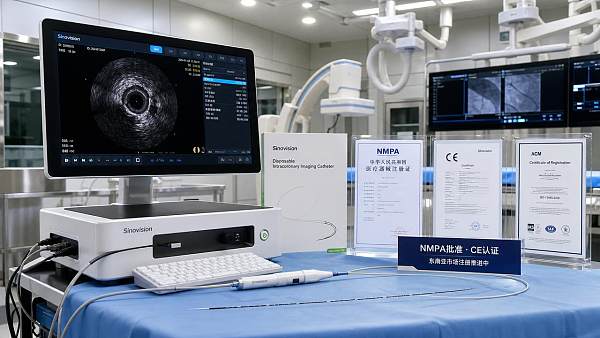
 NMPA Approval Signals Faster Export Path for IVUS SystemsNMPA approval signals a faster export path for IVUS systems, linking CE readiness, Southeast Asia filings, and shorter delivery cycles—see why buyers and distributors are paying attention.
 UK Proposes UDI and eIFU Rules for Medical DevicesUK medical device UDI and eIFU rules could reshape market access, labeling, implant cards, and file retention. See what exporters and manufacturers must prepare for now.
 Specialty Medical Equipment Procurement Checklist: Certifications, Service Terms, and Total CostSpecialty medical equipment procurement starts with more than price. Learn how to evaluate certifications, service terms, and total cost to reduce risk and buy with confidence.
Global Trade Insights & Industry
Our mission is to empower global exporters and importers with data-driven insights that foster strategic growth.
Search News
Hot Articles
Popular Tags
Industry Overview
The global commercial kitchen equipment market is projected to reach $112 billion by 2027. Driven by urbanization, the rise of e-commerce food delivery, and strict hygiene regulations.