 Get Insights


Beijing-Tianjin-Hebei Rule Update Speeds Global Device Trials
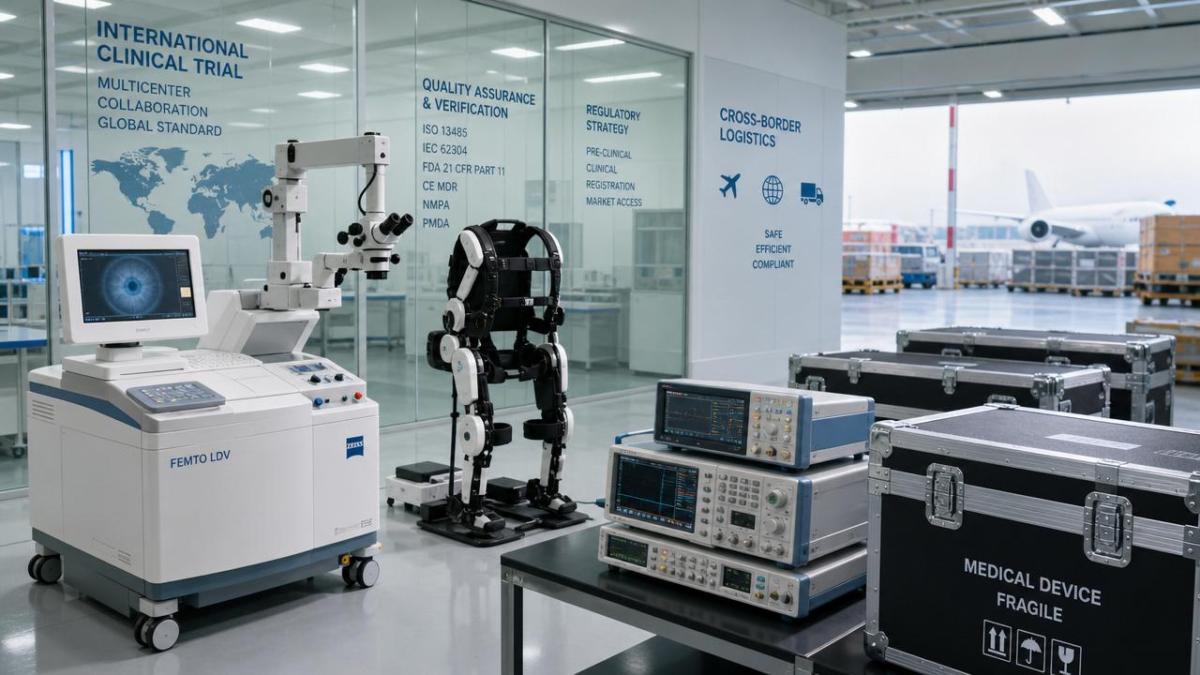
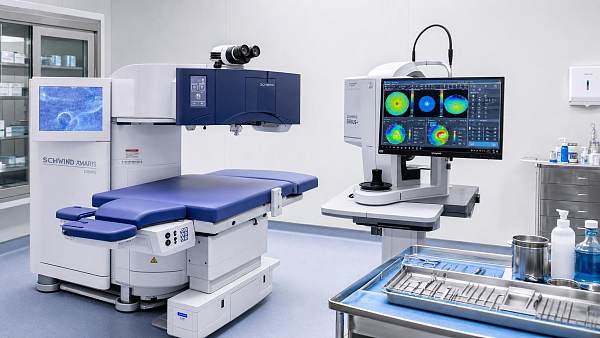
On February 24, 2026, regulators in Beijing, Tianjin, and Hebei jointly issued a new oversight rule for medical device clinical trials that accepts overseas data aligned with ISO 14155 for China registration and advances pilot GCP mutual recognition with regulators in Singapore and the United Arab Emirates. For manufacturers, trial sponsors, testing and certification service providers, procurement teams, and cross-border supply chain participants, this is worth close attention because it points to a more direct compliance path for international multi-center studies, especially in ophthalmic devices such as Femtosecond Lasers and rehabilitation products such as Exoskeleton Rehab Robots.
What the new trial oversight arrangement confirms
The confirmed facts are limited but clear. The joint rule was released on February 24, 2026 by drug regulatory authorities across Beijing, Tianjin, and Hebei. It expressly accepts overseas clinical data that complies with ISO 14155 for use in China registration. It also promotes pilot GCP mutual recognition with regulatory authorities in Singapore and the United Arab Emirates. According to the provided event summary, this mechanism significantly shortens the timeline for joint domestic and overseas clinical validation in fields including ophthalmology and rehabilitation.
Where the rule change may be felt first
Cross-border registration planning may shift earlier
From an industry perspective, companies planning China registration alongside overseas clinical programs may be affected first because the rule directly touches whether foreign clinical data can enter the China filing pathway. The practical impact may appear in trial design, document preparation, data package consistency, and the sequencing of registration work between domestic and international teams. What deserves closer attention is whether technical files, trial records, and data presentation are prepared in a way that clearly demonstrates alignment with ISO 14155.
Specialized device makers may see pressure on timelines and coordination
Manufacturers in ophthalmic and rehabilitation segments may feel the impact more directly because the event summary specifically points to shorter validation cycles in these categories. The effect is likely to show up in internal coordination across clinical, regulatory, quality, and delivery functions. Analysis shows that shorter validation windows can increase the importance of synchronized supplier documentation, version control for product specifications, and readiness of supporting compliance materials tied to registration submissions.
Testing, certification, and service partners may face new documentation expectations
Testing service providers, certification-related firms, and regulatory support partners may also be affected because clients will likely expect faster alignment between overseas trial evidence and China registration requirements. The business impact may center on document review, evidence traceability, technical report consistency, and support for GCP-related compliance interpretation. Observably, the rule change does not remove the need for scrutiny; it raises the importance of how trial and quality records are organized and presented.
Procurement and channel decisions may become more timing-sensitive
Procurement teams, distributors, and supply chain service providers may need to pay closer attention where product launch or market entry timing depends on clinical validation progress. The impact is less about immediate trade liberalization and more about changes in planning assumptions for delivery schedules, supplier qualification checks, and downstream market preparation. Companies involved in import, distribution, or project procurement may need to track whether bid documents or customer compliance requests begin to reflect this new acceptance pathway.
What companies should watch next
Check whether overseas evidence packages are registration-ready
Analysis shows that the immediate question is not only whether overseas data can be accepted, but whether the submitted evidence can be shown to meet the stated ISO 14155 basis in a registration context. Companies should closely review the completeness and consistency of trial records, technical documentation, and quality-linked materials that may be examined alongside clinical evidence.
Monitor the wording used in follow-up implementation materials
It is more appropriate to understand this as a rule change with practical execution implications rather than as a fully settled operating model. Companies should watch for later official wording, implementation interpretations, and review practices that could clarify how the acceptance of overseas data and the GCP mutual recognition pilots are applied in real cases.
Reassess category-specific timelines and launch sequencing
For businesses in Femtosecond Lasers, Exoskeleton Rehab Robots, and similar products tied to multi-center validation, the more immediate task may be to reassess registration timelines, procurement sequencing, and internal delivery planning. This is especially relevant where product commercialization depends on coordination between clinical progress, dossier readiness, and downstream channel preparation.
Keep supplier and service qualifications under review
Where trial execution or registration support depends on external partners, companies may need to review whether supplier qualifications, service scopes, and document outputs remain suitable under the new arrangement. Observably, even when the policy direction is clearer, execution quality often depends on whether vendors can support traceable records, consistent reporting, and timely compliance responses.
Why this looks like an execution signal, not the final word
Analysis shows that this development is best read as a concrete execution signal in clinical trial supervision rather than as a complete end-state for all cross-border device registration issues. The acceptance of ISO 14155-aligned overseas data and the launch of pilot GCP mutual recognition indicate a more operational stance toward international multi-center evidence. At the same time, the provided information does not define all review details, document thresholds, or category-specific implementation practices. That is why continued attention to regulatory wording, market feedback, and case-by-case execution remains necessary.
How to read the current change
The practical significance of this update lies in its effect on clinical validation pathways, registration preparation, and cross-border coordination for medical device companies working across China and overseas markets. A cautious reading is still appropriate. Based on the confirmed facts provided, this is more appropriately understood as a landed rule change with clear compliance direction, while the full execution approach and market response still require ongoing observation.
Basis of this article and what still needs verification
This article is generated from the user-provided news title, event date, and event summary. For events of this type, relevant source categories often include official regulatory announcements, releases from supervisory authorities, industry association updates, standard organization documents, trade or customs-related notices, and reporting by authoritative media. A specific official source link was not provided in the input, so the precise official publication path still needs to be verified on an ongoing basis. Subsequent points that still warrant attention include detailed implementation wording, certification and compliance interpretation, possible changes in bid or procurement documents, industry feedback, and how companies carry the rule into actual execution.
Recommended News
 What Drives Dental Implant Equipment Costs? Key Factors Buyers Should CompareDental implant equipment cost factors buyers should compare include imaging, kit scope, sterilization, service, and compliance—learn how to assess true ROI before you buy.
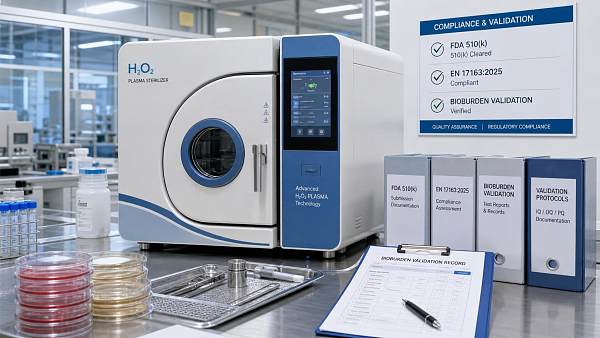
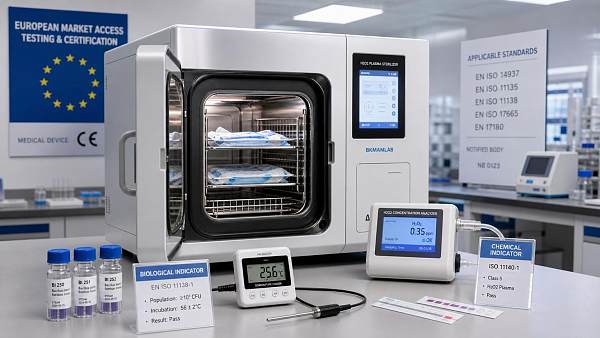
 Path for H2O2 Plasma Sterilizers") FDA Eases 510(k) Path for H2O2 Plasma SterilizersFDA Eases 510(k) Path for H2O2 Plasma Sterilizers: learn how the new FDA guidance may cut registration time, lower validation costs, and reshape U.S. market entry for qualifying manufacturers.
FDA Eases 510(k) Path for H2O2 Plasma SterilizersFDA Eases 510(k) Path for H2O2 Plasma Sterilizers: learn how the new FDA guidance may cut registration time, lower validation costs, and reshape U.S. market entry for qualifying manufacturers. How to Evaluate a Medical Exoskeletons Exporter for Rehab Equipment Procurement?Medical exoskeletons exporter evaluation made practical: learn how to assess compliance, service, durability, and total cost to choose rehab equipment suppliers with confidence.
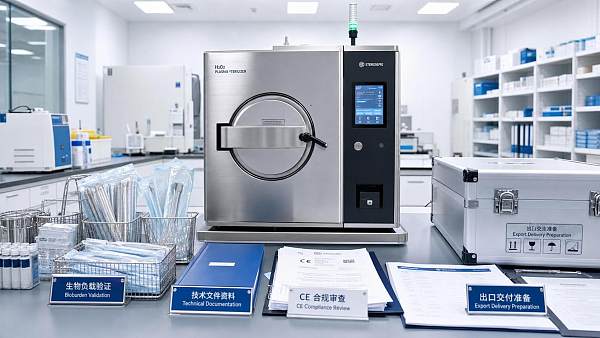
 EU Sets EN 17163 Burden Test Rule for H2O2 SterilizersEU Sets EN 17163 Burden Test Rule for H2O2 Sterilizers: learn how the 2027 EU requirement may impact CE compliance, validation timelines, procurement access, and exporter delivery plans.
 How to Evaluate Ophthalmic Surgical Devices for Retina Procedures in Clinical PracticeOphthalmic surgical devices for retina should be judged by real clinical control, visualization, safety, workflow fit, and support—not specs alone. Learn how to compare platforms with confidence.
 Guide") FDA Adds EN 17163 Requirement to H2O2 510(k) GuideFDA adds EN 17163 requirement to H2O2 510(k) guide, making bioburden validation essential for new submissions. Learn how this change impacts clearance, exports, and U.S. market access.
FDA Adds EN 17163 Requirement to H2O2 510(k) GuideFDA adds EN 17163 requirement to H2O2 510(k) guide, making bioburden validation essential for new submissions. Learn how this change impacts clearance, exports, and U.S. market access. How to Evaluate Digital Treatment Equipment Systems for Modern Dental ClinicsDigital treatment equipment systems for modern dental clinics should be judged by workflow fit, imaging quality, interoperability, sterilization, and service support—learn what to compare before you buy.
 EU CE Rule Now Requires EN 17163 Validation for H2O2 Plasma SterilizersEU CE Rule now requires EN 17163 validation for H2O2 plasma sterilizers from July 25, 2026. Learn the key compliance risks, testing changes, and export impacts for EU market entry.
 How to Evaluate Stainless Steel CSSD Equipment for Safe and Efficient ReprocessingStainless steel CSSD equipment evaluation guide: learn how to assess material grade, weld quality, cleanability, and compliance for safer, more efficient reprocessing.
s") FDA Adds EN 17163 Requirement to H2O2 Plasma 510(k)sFDA Adds EN 17163 Requirement to H2O2 Plasma 510(k)s: learn how the new bioburden validation rule impacts filing acceptance, review timelines, and U.S. market readiness.
FDA Adds EN 17163 Requirement to H2O2 Plasma 510(k)sFDA Adds EN 17163 Requirement to H2O2 Plasma 510(k)s: learn how the new bioburden validation rule impacts filing acceptance, review timelines, and U.S. market readiness. How to Evaluate End-Stage Renal Therapy Suppliers for Dialysis Program ProcurementEnd-stage renal therapy suppliers should be evaluated beyond price. Learn how to compare compliance, water compatibility, service, and total cost for safer, more reliable dialysis procurement.
 EN 17163 Becomes Mandatory for CE-Labeled H2O2 SterilizersEN 17163 is now mandatory for CE-labeled H2O2 sterilizers. Learn how biological validation, technical files, and importer-exporter compliance may affect EU market access.
 How to Evaluate Corneal Surgery Equipment for Eye Clinics Before You BuyCorneal surgery equipment for eye clinics should be evaluated beyond specs. Learn how to compare clinical accuracy, workflow fit, sterilization, service, and long-term ROI before you buy.
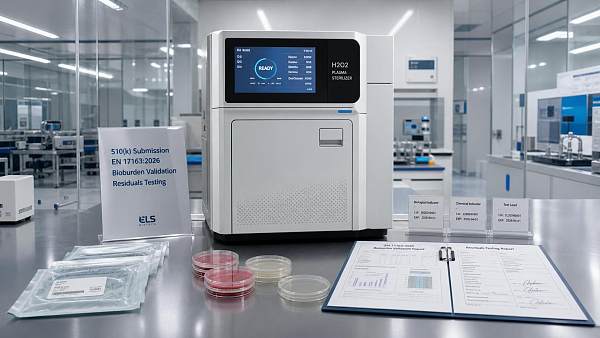
 Filing for H2O2 Sterilizers") FDA Tightens 510(k) Filing for H2O2 SterilizersFDA tightens 510(k) filing for H2O2 sterilizers with new EN 17163:2026 bioburden validation rules. Learn the immediate compliance impact on approvals, exports, and U.S. market entry.
FDA Tightens 510(k) Filing for H2O2 SterilizersFDA tightens 510(k) filing for H2O2 sterilizers with new EN 17163:2026 bioburden validation rules. Learn the immediate compliance impact on approvals, exports, and U.S. market entry. How to Evaluate a Medical Device Vendor Platform for Supplier Sourcing and ComplianceMedical device vendor platform evaluation starts with supplier verification, compliance visibility, and service continuity. Learn how to compare platforms and source with less risk.
 EU CE Rule Takes Effect for H2O2 Plasma SterilizersEU CE Rule Takes Effect for H2O2 Plasma Sterilizers: learn how EN 17163:2026 impacts CE approval, EU customs clearance, procurement access, and delivery timelines.
 EN ISO Sterilization Compliance for Hospitals: Key Standards and Audit ReadinessEN ISO sterilization compliance for hospitals explained: discover key standards, audit risks, documentation essentials, and practical steps to strengthen patient safety and inspection readiness.
 Rules for H2O2 Plasma Sterilizers") FDA Tightens 510(k) Rules for H2O2 Plasma SterilizersFDA Tightens 510(k) Rules for H2O2 Plasma Sterilizers: learn how the new EN 17163:2026 bioburden validation requirement may impact filings, costs, supplier readiness, and U.S. launch timelines.
FDA Tightens 510(k) Rules for H2O2 Plasma SterilizersFDA Tightens 510(k) Rules for H2O2 Plasma Sterilizers: learn how the new EN 17163:2026 bioburden validation requirement may impact filings, costs, supplier readiness, and U.S. launch timelines. What to Evaluate in a Medical Device Data Platform for Multi-System Integration?Medical device data platform selection starts with integration scope, data quality, security, and scalability. See what to evaluate for reliable multi-system performance.
 EU Enforces EN 17163:2026 for H2O2 SterilizersEU Enforces EN 17163:2026 for H2O2 Sterilizers: learn how the new EU rule changes biological indicator validation, CE compliance, testing timelines, and supplier planning.
 How to Evaluate Dental Unit Systems With LED Light for Modern Clinic WorkflowsDental unit systems with LED light: learn how to compare workflow fit, ergonomics, hygiene, digital integration, and lifecycle cost to choose the right system for a modern clinic.




Global Trade Insights & Industry
Our mission is to empower global exporters and importers with data-driven insights that foster strategic growth.
Search News
Popular Tags
Industry Overview
The global commercial kitchen equipment market is projected to reach $112 billion by 2027. Driven by urbanization, the rise of e-commerce food delivery, and strict hygiene regulations.