 Get Insights


Dental implant equipment mistakes can raise treatment risk
Choosing the right dental implant equipment is not just a purchasing decision—it directly affects surgical precision, workflow consistency, and patient safety. In today’s digital oral care environment, equipment mismatches can quietly introduce avoidable clinical risk.
As implantology becomes faster, more guided, and more data-driven, dental implant equipment must work as an integrated system. Errors in imaging, drilling, torque control, irrigation, software, or sterilization compatibility can weaken outcomes long before failure becomes visible.
For the broader medical technology field, this shift reflects a larger industry pattern. Precision treatment devices now depend on connected workflows, traceable safety standards, and infection-controlled operation rather than isolated hardware performance alone.
Dental implant equipment is moving from standalone tools to connected treatment systems
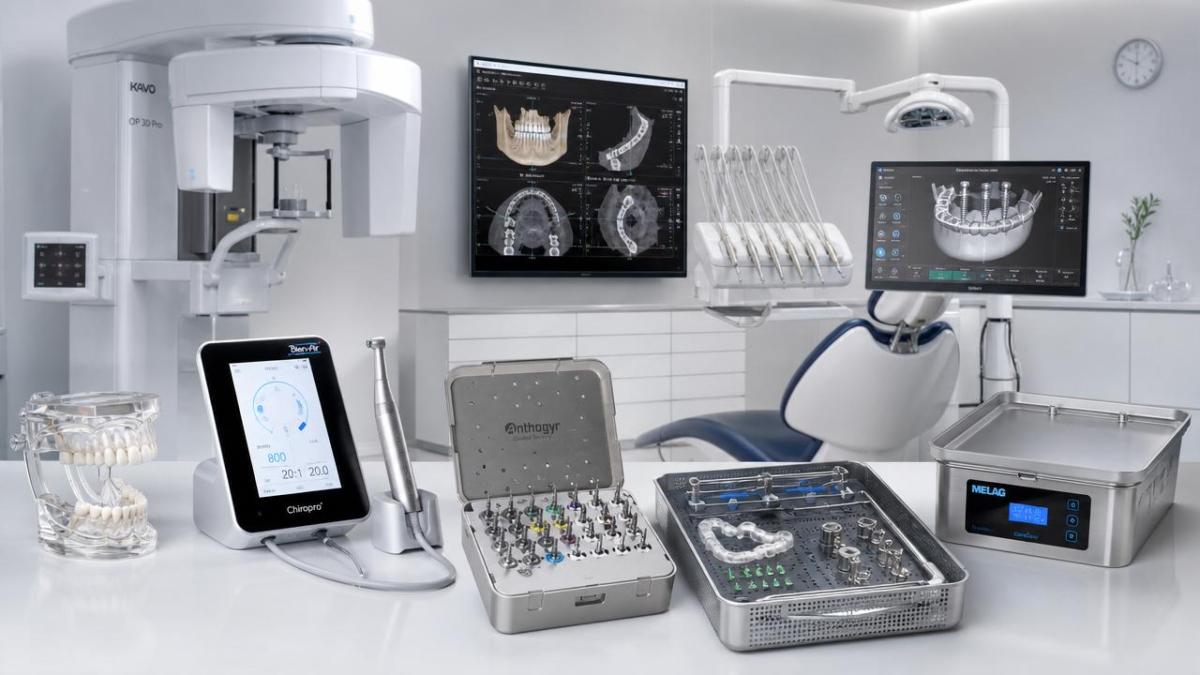
The biggest change is not a single machine. It is the growing interdependence between CBCT imaging, planning software, surgical motors, handpieces, implant kits, and sterilization processes.
When one element does not align, treatment risk rises. A poorly calibrated motor, incompatible drill protocol, or unclear imaging dataset can cause depth error, heat damage, or unstable primary fixation.
This matters beyond dentistry. Across advanced therapeutic equipment, the market is rewarding systems that reduce operator variability, improve documentation, and support safer reproducible care under growing compliance pressure.
Why the risk profile around dental implant equipment is rising
Several trend signals explain why mistakes in dental implant equipment selection are becoming more serious than before.
- More guided and flapless procedures leave less room for mechanical or digital deviation.
- Patient expectations now favor shorter chair time, less trauma, and predictable esthetic outcomes.
- Aging populations are increasing demand for implant rehabilitation in medically complex cases.
- Cross-platform digital workflows often combine devices from different brands with uneven compatibility.
- Stricter infection control and traceability standards are extending evaluation beyond simple device function.
The most common dental implant equipment mistakes now have system-level consequences
The key risk is rarely dramatic at the beginning. Most failures emerge from small technical mismatches that accumulate through the workflow.
Imaging quality is often underestimated
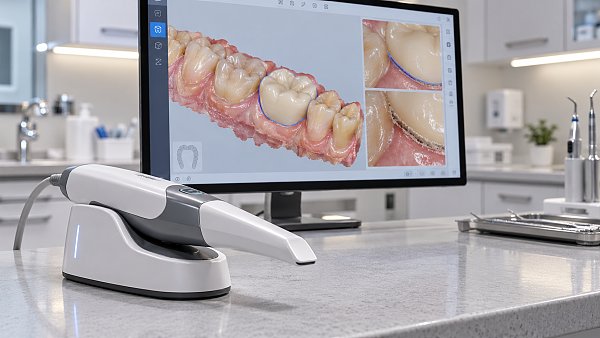
Low-resolution CBCT, poor field selection, or unstable image reconstruction can distort anatomical judgment. That affects bone width assessment, sinus proximity, and nerve mapping.
If dental implant equipment starts with weak imaging, every downstream step becomes less reliable. Guided surgery cannot correct flawed source data.
Motor and torque assumptions create hidden surgical variation
Not all implant motors deliver torque with the same accuracy under load. Displayed settings may differ from actual output, especially with wear, poor maintenance, or calibration drift.
That variation affects osteotomy control and final implant seating. Excess torque may stress crestal bone, while insufficient torque can compromise immediate stability.
Drill sequence incompatibility remains a major source of error
Using drills, sleeves, or depth stops that do not fully match the implant system can create diameter inconsistency or wrong preparation depth. This is a classic dental implant equipment integration mistake.
Irrigation and heat control are still overlooked
Implant osteotomy is highly sensitive to thermal injury. Weak irrigation flow, blocked tubing, or handpiece designs with poor cooling access can increase bone temperature beyond safe thresholds.
Sterilization compatibility can no longer be treated as secondary
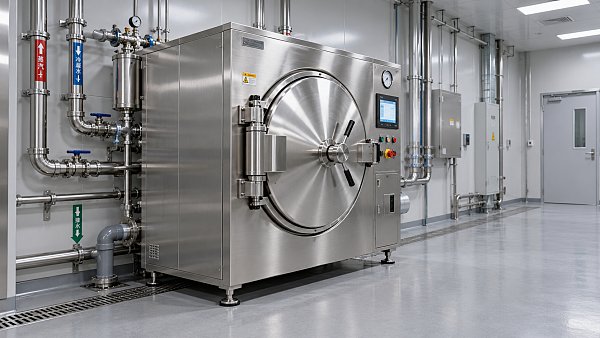
Complex implant drivers, surgical cassettes, and guided components must tolerate validated reprocessing cycles. If materials degrade, trap residue, or lack clear IFU guidance, infection risk and device failure both increase.
Several industry forces are driving stricter evaluation of dental implant equipment
The shift is not random. It is being shaped by technology convergence, clinical complexity, and a stronger emphasis on full-cycle safety.
This pattern resembles other fine-treatment sectors tracked across MTIC. Whether in hemodialysis, ophthalmic systems, or sterilization platforms, risk increasingly comes from weak interfaces, not just weak components.
The impact of poor dental implant equipment choices spreads across the entire treatment chain
A wrong decision in dental implant equipment affects more than implant placement. It can reshape scheduling, maintenance burdens, staff consistency, patient trust, and legal defensibility.
- Clinical impact: reduced precision, thermal damage, unstable insertion torque, and compromised osseointegration.
- Operational impact: workflow interruption, extra chair time, repeat scans, and increased inventory complexity.
- Infection control impact: unclear cleaning paths, damaged reusable components, and unreliable sterile readiness.
- Economic impact: rework, component waste, maintenance costs, and higher long-term treatment liability.
Because implant cases often involve prosthetic coordination, one upstream equipment issue may also affect impression accuracy, restoration fit, and final occlusal stability.
Safer decisions begin with a more rigorous review framework for dental implant equipment
The most reliable approach is to evaluate dental implant equipment as a linked clinical ecosystem rather than a set of isolated purchase items.
Priority checkpoints that deserve closer attention
- Imaging clarity, voxel suitability, and anatomical visibility for implant planning.
- Software export accuracy and compatibility with guide production or navigation steps.
- Motor torque consistency, speed stability, and service calibration documentation.
- Handpiece cooling performance and irrigation path reliability.
- Drill kit logic, wear tracking, sleeve fit, and depth control consistency.
- Sterilization instructions, material durability, and reprocessing validation support.
- Maintenance response, spare part continuity, and lifecycle training resources.
These checkpoints align with broader MedTech quality principles. Devices perform best when ergonomic design, clinical accuracy, and sterile workflow are considered together.
The next phase will favor integrated, traceable, and sterilization-aware dental implant equipment
Future direction is becoming clearer. The market is moving toward systems that reduce variability and support evidence-backed treatment consistency.
This is especially relevant in environments balancing high case volume with premium treatment expectations. The best dental implant equipment will increasingly be judged by reproducibility, sterility, and interoperability.
A practical next step is to audit risk before adding or replacing dental implant equipment
A useful starting point is a structured review of current imaging, surgical, and sterilization links. The goal is to find hidden mismatch points before they affect outcomes.
- List every device involved from scan to final implant insertion.
- Check where software, guides, drills, motors, and cassettes intersect.
- Compare actual use conditions with manufacturer validation and IFU details.
- Identify calibration gaps, irrigation weaknesses, and reprocessing risks.
- Prioritize corrections that reduce clinical deviation and infection exposure first.
In a precision-care era, dental implant equipment should not be judged only by features or price. Safer implant treatment depends on how well every technical element supports accurate, sterile, and repeatable performance.
For organizations following specialty treatment technology through MTIC, this is the deeper lesson: in advanced care systems, small equipment mistakes no longer stay small. They shape risk, efficiency, and trust across the full treatment pathway.
Recommended News
 Medical Compliance Reference: U.S. Infection Control Rules vs. GuidanceUse this medical compliance reference to distinguish U.S. infection control rules from guidance, clarify OSHA, CMS, FDA and CDC roles, and identify gaps before your next audit.
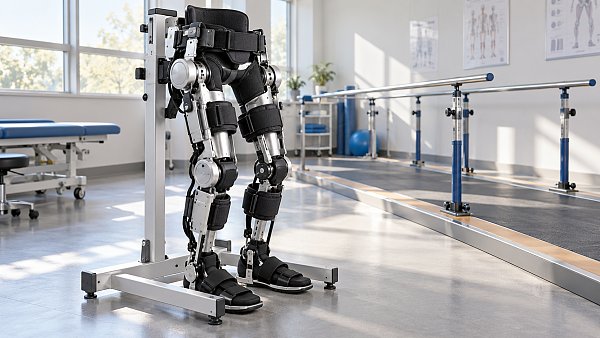
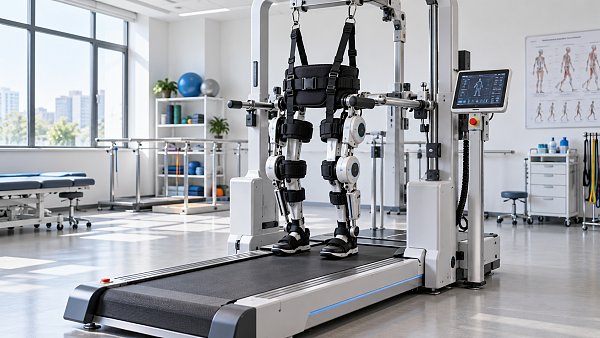
 Choosing Powered Exoskeleton Rehabilitation Devices for Post-Stroke Gait TrainingCompare powered exoskeleton rehabilitation devices for post-stroke gait training. Explore patient fit, safety, clinical evidence, and costs to choose the right system for your service.
 Commerce Ministry: Exoskeleton Sales on Key Platforms Rise 46.4% in Jan–Sep 2026Exoskeleton sales rose 46.4% on key platforms in Jan–Sep 2026, according to supplied Commerce Ministry data. Explore procurement insights and key checks for suppliers and buyers.
 Wearable Exoskeleton Rehabilitation Devices: Key Criteria for Gait TrainingCompare wearable exoskeleton rehabilitation devices for gait training. Discover key criteria for patient fit, safety, assistance, and clinical evidence to guide smarter selection.
 3D Intraoral Scans Show High Specificity for Caries Around Restorations3D intraoral scans show high specificity for caries around restorations, but sensitivity varies. Explore what these findings mean for secondary caries assessment.
 Specialty Medical Equipment Specifications: Performance and Compatibility ChecksEvaluate specialty medical equipment specifications with practical performance and compatibility checks. Discover how to avoid costly mismatches and make confident hospital purchasing decisions.
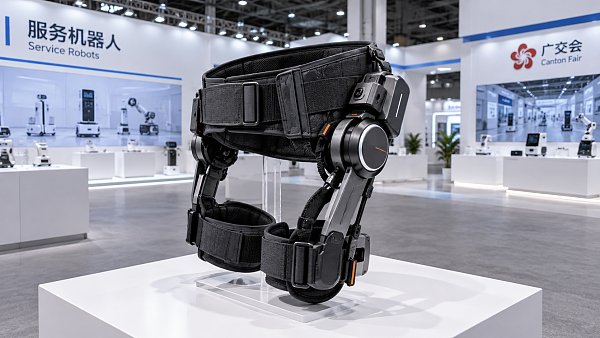
 Taixi Intelligent Exoskeleton Robot Showcased at the 140th Canton FairExplore Taixi Intelligent’s Yinyue X1 exoskeleton, reportedly showcased at the 140th Canton Fair. Discover its features and key compliance checks for overseas buyers.
 Robotic Rehabilitation Devices: How to Evaluate Systems for Gait TrainingCompare robotic rehabilitative medical devices for gait training. Discover how to assess patient fit, safety, clinical evidence, and costs to choose the right system for your program.
 UK Confirms Indefinite Recognition of CE-Marked Medical DevicesCE-marked medical devices gain indefinite recognition in Great Britain. Discover what this means for UKCA requirements, compliance planning and long-term supply continuity.
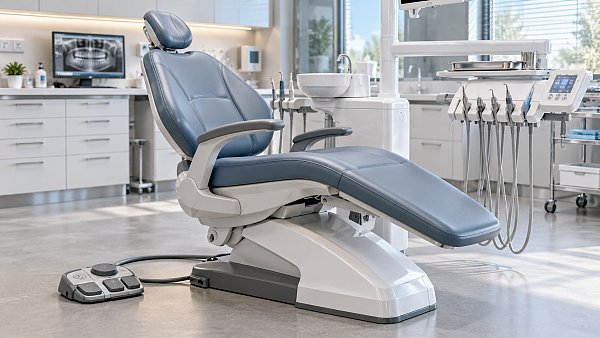
 Electric Dental Chairs: How to Assess Load Capacity, Positioning, and SafetyChoosing electric dental chair equipment? Learn how to verify load capacity, assess positioning, and check safety controls to make a confident, evidence-based purchase.
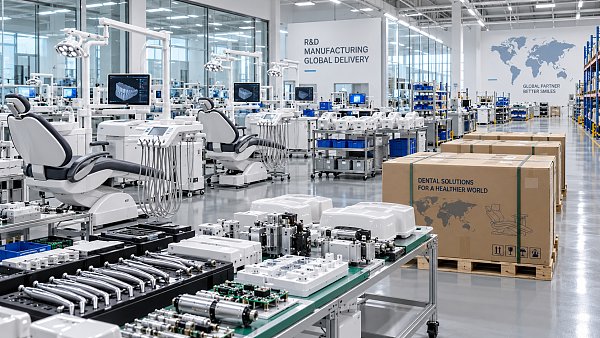
 Runyes Opens New Ningbo Plant at Global Partner SummitRunyes opens a new Ningbo plant at its 2026 Global Partner Summit. Explore what the expansion could mean for digital dental equipment, global partners, and procurement planning.
 Medical Think Tank Research for Procurement: Evidence and Bias ChecksMedical think tank procurement research: learn to verify evidence, spot bias, and assess lifecycle costs so you can turn insights into defensible hospital equipment decisions.
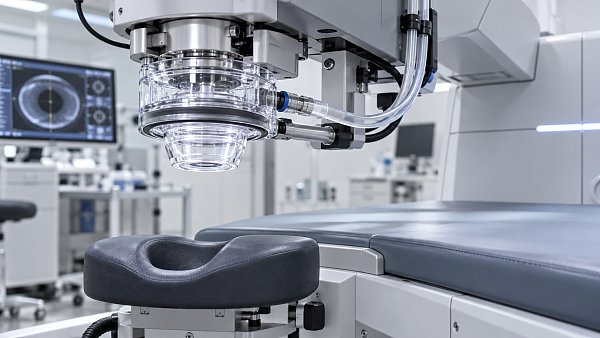
 Femtosecond Laser Docking: How to Troubleshoot Repeated Suction LossFemtosecond laser systems with docking: troubleshoot repeated suction loss, identify seal and vacuum issues, and explore key safety checks before another attempt. Read the guide.
 Sterilization Standards: What Documentation Do Hospitals Need for Audits?Strengthen sterilization compliance standards documentation with essential audit records, monitoring evidence, and traceability guidance. Discover how to prepare your hospital for audits.
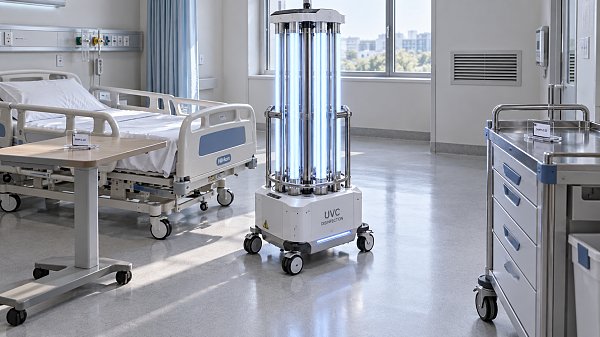
 Hospital Disinfection System Manufacturers: Efficacy Evidence Buyers Should RequestChoosing a hospital disinfection systems manufacturer? Discover the efficacy reports, safety records, and site trials to request to verify claims and buy with confidence.
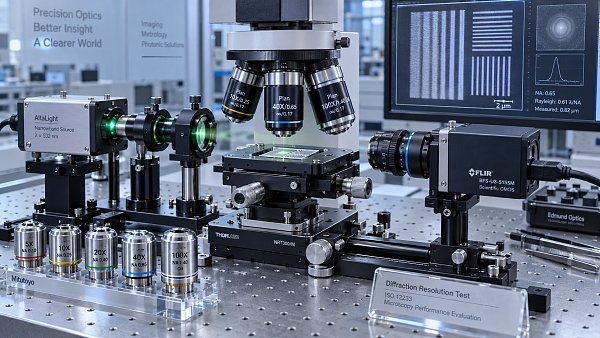
 Optical Diffraction Limits Explained: How Wavelength and NA Set ResolutionOptical diffraction limits explained: Learn how wavelength and NA shape resolution, compare optical specifications confidently, and spot misleading claims before choosing imaging equipment.
 Dialysis Center Equipment Checklist: What to Buy Before OpeningExplore end stage renal disease equipment for dialysis centers with an opening checklist for machines, water systems, and supplies. Plan smarter purchases and avoid costly startup delays.
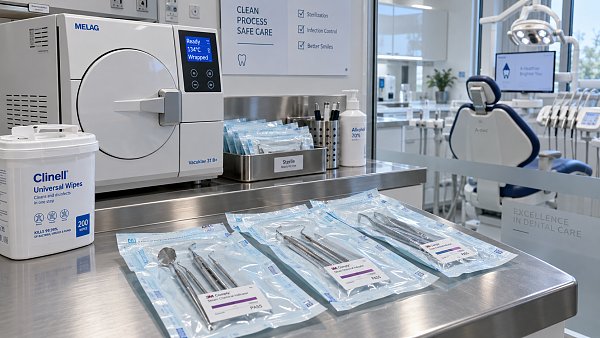
 Dental Clinic Infection Control: Daily Checks for Instruments and SurfacesExplore infection control solutions for dental clinics with practical daily checks for instruments, sterilization, and surfaces. Learn how to spot failures and strengthen patient safety.
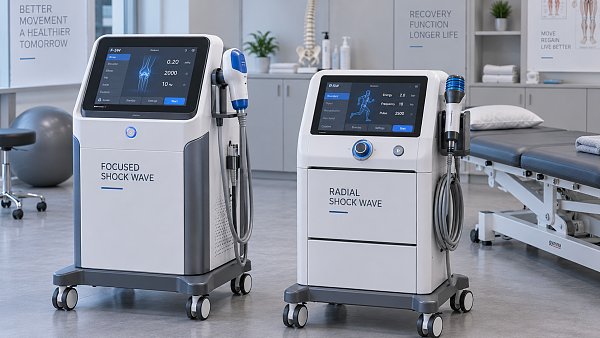
 Focused vs. Radial Shockwave Equipment: Clinical Uses and Selection CriteriaExplore this therapeutic equipment comparison of focused vs. radial shockwave systems. Compare clinical uses, targeting, evidence, and costs to choose the right fit for your clinic.
 What Is Driving Demand for Elderly Care Equipment in Home and Facility Settings?Elderly care equipment demand is rising as home care, staff shortages, chronic disease, and safety needs reshape buying decisions. Discover the trends driving smarter care.
 How to Evaluate a Dental Equipment Supplier Before Equipping a New ClinicDental equipment supplier evaluation made simple: compare workflow fit, installation, infection control, digital integration, service support, and total ownership costs before opening your clinic.





Global Trade Insights & Industry
Our mission is to empower global exporters and importers with data-driven insights that foster strategic growth.
Search News
Popular Tags
Industry Overview
The global commercial kitchen equipment market is projected to reach $112 billion by 2027. Driven by urbanization, the rise of e-commerce food delivery, and strict hygiene regulations.