 Get Insights


Vietnam Bans & Discloses Key Disinfectants for Washer-Disinfectors
Vietnam’s Ministry of Health and Ministry of Industry and Trade jointly issued a new regulatory measure on May 28, 2026, directly impacting exporters of low-temperature disinfectants used with washer-disinfector medical devices.
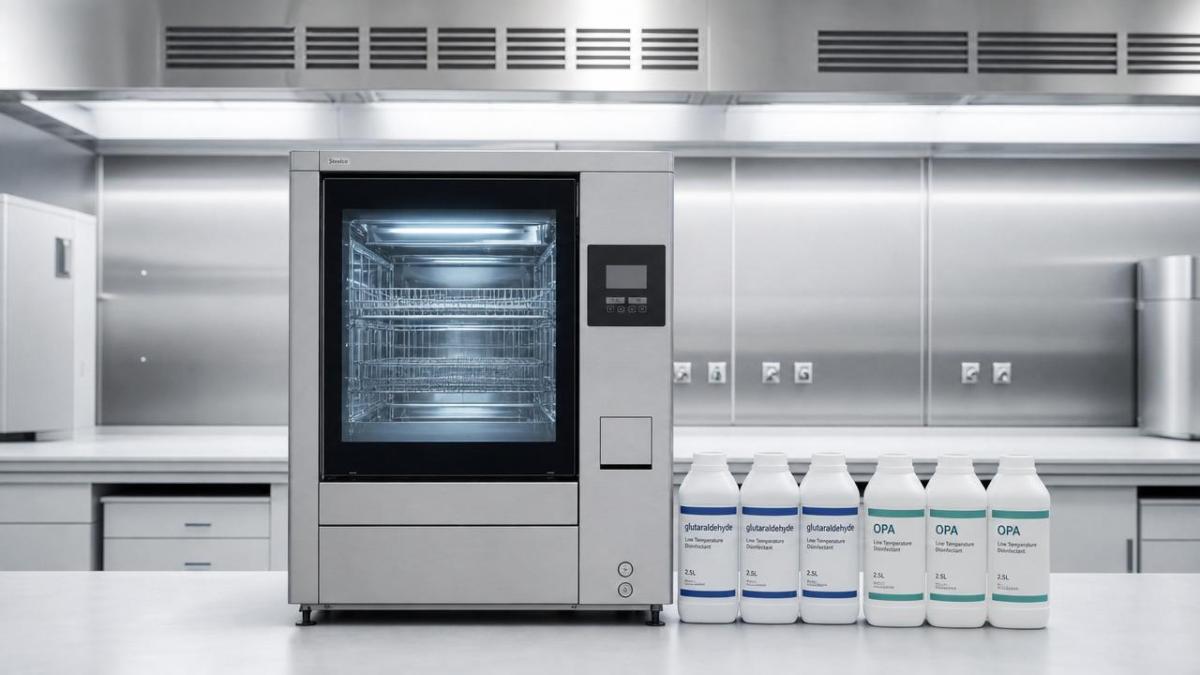
New Regulatory Framework Takes Effect
On May 28, 2026, Vietnam published Joint Circular No. 22/2026/TT-BYT, jointly issued by the Ministry of Health and the Ministry of Industry and Trade. The circular places six commonly used low-temperature disinfectants—including glutaraldehyde and ortho-phthalaldehyde (OPA)—on a newly established ‘Prohibited Import + Mandatory Ingredient Disclosure’ list. All importers of disinfectant solutions intended for use with washer-disinfectors must complete full formulation registration and label all active ingredients by September 1, 2026. Products failing to meet this requirement will be denied customs clearance.
Impact Across the Supply Chain
Exporters and Trading Companies
Companies engaged in direct export or trade of washer-disinfector-compatible disinfectants face immediate compliance pressure. The September 1, 2026 deadline requires rapid review of existing product labels, safety data sheets (SDS), and regulatory documentation—especially for formulations containing glutaraldehyde or OPA. Non-compliant shipments risk detention or rejection at Vietnamese ports.
Raw Material Suppliers
Suppliers of active pharmaceutical ingredients (APIs) and biocidal agents must now anticipate increased demand for certified, traceable batches. Buyers may request updated certificates of analysis (CoA), stability data, and proof of non-contamination with banned substances—particularly where multi-source blending occurs.
Formulation Manufacturers
Manufacturers developing or producing ready-to-use disinfectant solutions must reassess their current portfolios. Reformulation may be necessary to replace restricted actives. Technical documentation—including compatibility testing with washer-disinfector hardware and material safety profiles—must be updated to support registration submissions.
Logistics and Regulatory Support Providers
Third-party regulatory consultants, customs brokers, and labeling service providers are seeing rising demand for dossier preparation, Vietnamese-language labeling adaptation, and pre-clearance verification. Timely coordination between technical, legal, and logistics teams is now critical to avoid shipment delays.
Action Items for Affected Businesses
Verify Formulation Against the Prohibited List
Immediately audit all disinfectant products destined for Vietnam against the six banned or disclosure-mandated substances named in Circular No. 22/2026/TT-BYT. Pay special attention to glutaraldehyde and OPA—even if present below threshold concentrations, full disclosure remains mandatory.
Prepare and Submit Registration Dossiers by September 1, 2026
Compile complete technical dossiers including full ingredient lists (with CAS numbers), concentration ranges, manufacturing site details, and Vietnamese-language labels. Submission must occur through Vietnam’s official online portal for chemical and biocide registration managed by the Ministry of Health.
Update Labeling and Safety Documentation
All packaging and accompanying SDS must clearly identify every active ingredient—using standardized IUPAC nomenclature and Vietnamese translations. Labels must also include batch-specific expiry dates, storage conditions, and usage instructions aligned with washer-disinfector OEM specifications.
Assess Supply Chain Traceability and Audit Readiness
Ensure upstream suppliers can provide auditable records supporting ingredient origin, purity, and absence of undeclared co-formulants. Internal quality systems should be prepared for potential post-registration inspections by Vietnamese authorities.
Industry Perspective: A Shift Toward Transparency and Technical Rigor
Analysis shows that Circular No. 22/2026/TT-BYT reflects Vietnam’s broader regulatory evolution—from reactive market access control toward proactive, science-based oversight of medical device ancillaries. Observably, this move signals increasing alignment with ASEAN Common Technical Dossier (CTD) principles and EU Biocidal Products Regulation (BPR) transparency expectations. What deserves closer attention is the compressed 10-week window between publication and enforcement—underscoring the need for manufacturers to embed regulatory intelligence into R&D and commercial planning cycles, not treat compliance as a last-mile activity.
Strategic Implications for Global Market Access
This regulation marks more than a procedural update—it establishes a precedent for mandatory ingredient-level transparency in Vietnam’s medical hygiene sector. For international suppliers, it reinforces that regulatory readiness must now extend beyond device certification (e.g., ISO 15883, EN ISO 14971) to include full chemical stewardship of consumables. While not yet harmonized with global standards, the policy signals Vietnam’s intent to strengthen post-market surveillance and reduce reliance on foreign regulatory acceptances.
Source Information and Verification Notes
This article is based exclusively on the user-provided title, event date (May 28, 2026), and summary describing the issuance of Circular No. 22/2026/TT-BYT by Vietnam’s Ministry of Health and Ministry of Industry and Trade. Specific official source links were not provided in the input and should be verified continuously. Stakeholders are advised to monitor updates from Vietnam’s National Institute of Hygiene and Epidemiology (NIHE), the Chemicals Administration under the Ministry of Industry and Trade, and forthcoming implementation guidelines—particularly regarding dossier submission formats, fee structures, and transitional arrangements for already-cleared stock.
Recommended News
 Medical Compliance Reference: U.S. Infection Control Rules vs. GuidanceUse this medical compliance reference to distinguish U.S. infection control rules from guidance, clarify OSHA, CMS, FDA and CDC roles, and identify gaps before your next audit.
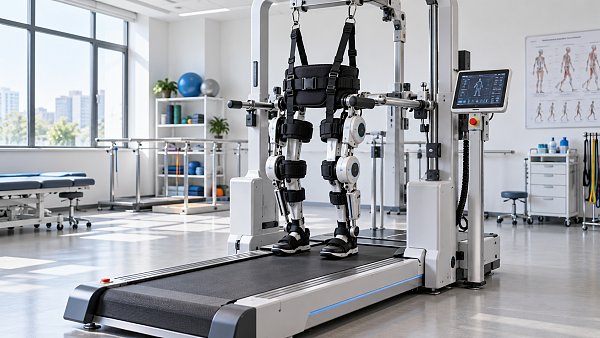
 Choosing Powered Exoskeleton Rehabilitation Devices for Post-Stroke Gait TrainingCompare powered exoskeleton rehabilitation devices for post-stroke gait training. Explore patient fit, safety, clinical evidence, and costs to choose the right system for your service.
 Commerce Ministry: Exoskeleton Sales on Key Platforms Rise 46.4% in Jan–Sep 2026Exoskeleton sales rose 46.4% on key platforms in Jan–Sep 2026, according to supplied Commerce Ministry data. Explore procurement insights and key checks for suppliers and buyers.
 Wearable Exoskeleton Rehabilitation Devices: Key Criteria for Gait TrainingCompare wearable exoskeleton rehabilitation devices for gait training. Discover key criteria for patient fit, safety, assistance, and clinical evidence to guide smarter selection.
 3D Intraoral Scans Show High Specificity for Caries Around Restorations3D intraoral scans show high specificity for caries around restorations, but sensitivity varies. Explore what these findings mean for secondary caries assessment.
 Specialty Medical Equipment Specifications: Performance and Compatibility ChecksEvaluate specialty medical equipment specifications with practical performance and compatibility checks. Discover how to avoid costly mismatches and make confident hospital purchasing decisions.
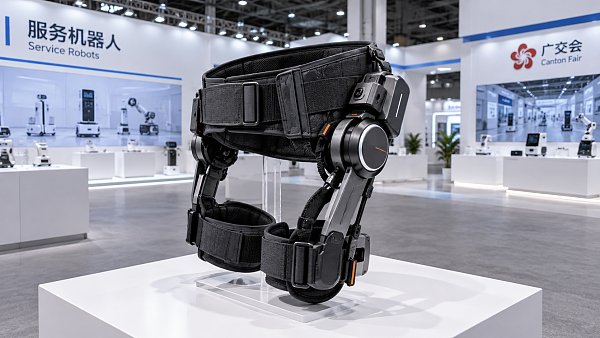
 Taixi Intelligent Exoskeleton Robot Showcased at the 140th Canton FairExplore Taixi Intelligent’s Yinyue X1 exoskeleton, reportedly showcased at the 140th Canton Fair. Discover its features and key compliance checks for overseas buyers.
 Robotic Rehabilitation Devices: How to Evaluate Systems for Gait TrainingCompare robotic rehabilitative medical devices for gait training. Discover how to assess patient fit, safety, clinical evidence, and costs to choose the right system for your program.
 UK Confirms Indefinite Recognition of CE-Marked Medical DevicesCE-marked medical devices gain indefinite recognition in Great Britain. Discover what this means for UKCA requirements, compliance planning and long-term supply continuity.
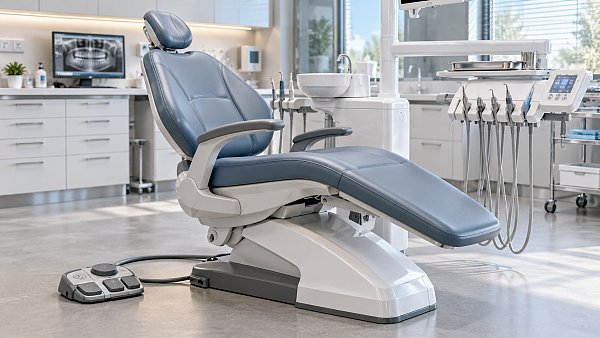
 Electric Dental Chairs: How to Assess Load Capacity, Positioning, and SafetyChoosing electric dental chair equipment? Learn how to verify load capacity, assess positioning, and check safety controls to make a confident, evidence-based purchase.
 Runyes Opens New Ningbo Plant at Global Partner SummitRunyes opens a new Ningbo plant at its 2026 Global Partner Summit. Explore what the expansion could mean for digital dental equipment, global partners, and procurement planning.
 Medical Think Tank Research for Procurement: Evidence and Bias ChecksMedical think tank procurement research: learn to verify evidence, spot bias, and assess lifecycle costs so you can turn insights into defensible hospital equipment decisions.
 Femtosecond Laser Docking: How to Troubleshoot Repeated Suction LossFemtosecond laser systems with docking: troubleshoot repeated suction loss, identify seal and vacuum issues, and explore key safety checks before another attempt. Read the guide.
 Sterilization Standards: What Documentation Do Hospitals Need for Audits?Strengthen sterilization compliance standards documentation with essential audit records, monitoring evidence, and traceability guidance. Discover how to prepare your hospital for audits.
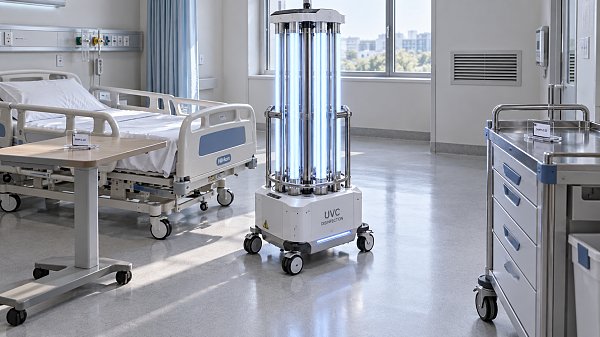
 Hospital Disinfection System Manufacturers: Efficacy Evidence Buyers Should RequestChoosing a hospital disinfection systems manufacturer? Discover the efficacy reports, safety records, and site trials to request to verify claims and buy with confidence.
 Optical Diffraction Limits Explained: How Wavelength and NA Set ResolutionOptical diffraction limits explained: Learn how wavelength and NA shape resolution, compare optical specifications confidently, and spot misleading claims before choosing imaging equipment.
 Dialysis Center Equipment Checklist: What to Buy Before OpeningExplore end stage renal disease equipment for dialysis centers with an opening checklist for machines, water systems, and supplies. Plan smarter purchases and avoid costly startup delays.
 Dental Clinic Infection Control: Daily Checks for Instruments and SurfacesExplore infection control solutions for dental clinics with practical daily checks for instruments, sterilization, and surfaces. Learn how to spot failures and strengthen patient safety.
 Focused vs. Radial Shockwave Equipment: Clinical Uses and Selection CriteriaExplore this therapeutic equipment comparison of focused vs. radial shockwave systems. Compare clinical uses, targeting, evidence, and costs to choose the right fit for your clinic.
 What Is Driving Demand for Elderly Care Equipment in Home and Facility Settings?Elderly care equipment demand is rising as home care, staff shortages, chronic disease, and safety needs reshape buying decisions. Discover the trends driving smarter care.
 How to Evaluate a Dental Equipment Supplier Before Equipping a New ClinicDental equipment supplier evaluation made simple: compare workflow fit, installation, infection control, digital integration, service support, and total ownership costs before opening your clinic.











Global Trade Insights & Industry
Our mission is to empower global exporters and importers with data-driven insights that foster strategic growth.
Search News
Popular Tags
Industry Overview
The global commercial kitchen equipment market is projected to reach $112 billion by 2027. Driven by urbanization, the rise of e-commerce food delivery, and strict hygiene regulations.