 Get Insights


Saudi SASO Updates Energy Efficiency Standard for Medical RO Water Systems
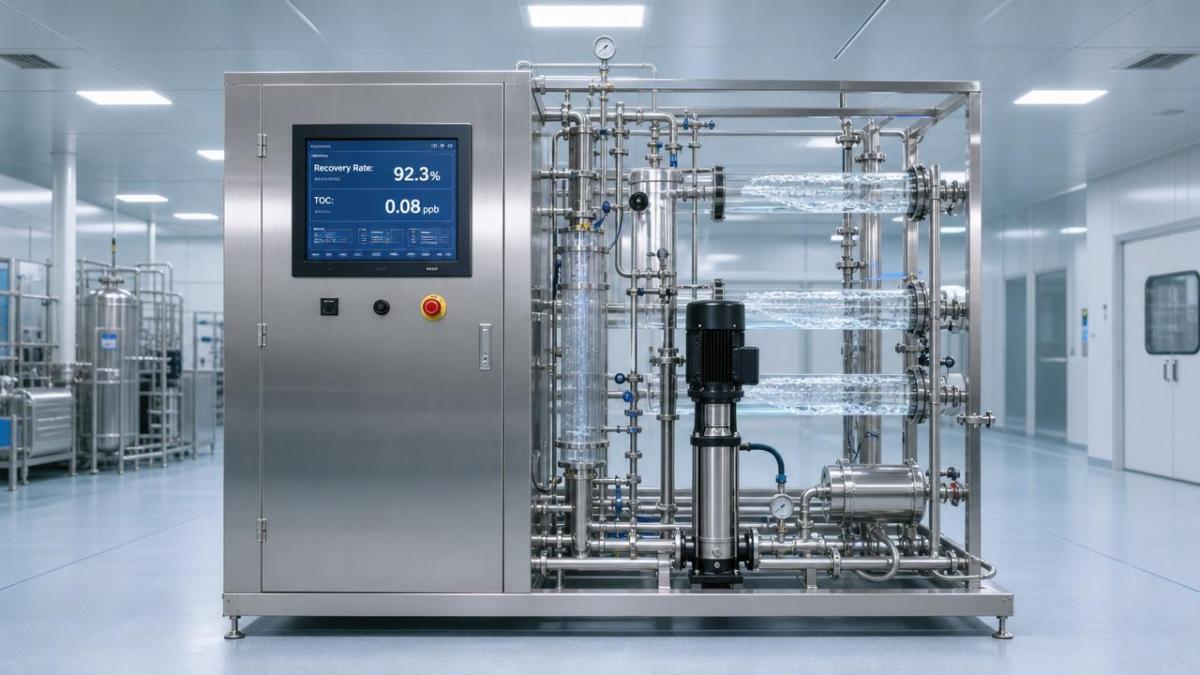
Saudi Arabia’s Standards, Metrology and Quality Organization (SASO) officially updated its mandatory standard for medical reverse osmosis (RO) water systems on May 1, 2026. The revision introduces two new mandatory test requirements — minimum water recovery rate of ≥90% and maximum total organic carbon (TOC) residue of ≤0.1 ppb — both now required in type-approval testing. Exporters of medical RO water systems to Saudi Arabia must submit test reports covering both metrics for all new orders placed from June 2026 onward. This development is particularly relevant for manufacturers, exporters, and regulatory compliance teams serving the medical device and hospital infrastructure sectors.
Event Overview
On May 1, 2026, SASO issued an updated mandatory standard for Medical RO Water Systems. The update adds two new mandatory performance indicators to the existing energy efficiency framework: (1) a minimum water recovery rate of 90%, and (2) a maximum total organic carbon (TOC) residue level of 0.1 ppb. Both parameters are now included as compulsory items in type-approval testing. The requirement applies to all manufacturers exporting such systems to Saudi Arabia. As of June 2026, new export orders must be accompanied by test reports verifying compliance with both metrics.
Industries Affected
Medical Device Exporters & OEMs
Exporters and original equipment manufacturers supplying medical RO water systems to Saudi healthcare facilities face direct compliance obligations. The new TOC and recovery rate requirements necessitate revalidation of system design, membrane selection, and post-treatment configurations. Non-compliant units may be rejected at customs or fail local conformity assessment.
RO System Component Suppliers
Suppliers of high-efficiency membranes, TOC-removal modules (e.g., UV-oxidation + polishing resin), and precision flow control components may see increased demand. However, component-level specifications must now align with system-level validation — meaning suppliers must provide traceable performance data supporting end-system TOC and recovery claims.
Regulatory Compliance & Certification Service Providers
Certification bodies accredited for SASO CoC (Certificate of Conformity) and SASO IECEE CB Scheme assessments must update their test protocols and laboratory capabilities to cover TOC residue measurement (per ISO 8573-5 or ASTM D5903) and dynamic recovery rate evaluation under medical-grade operational conditions (e.g., continuous 24-hour testing at rated capacity).
Hospital Infrastructure Integrators
Integrators specifying or installing medical RO water systems in Saudi hospitals must verify supplier documentation against the updated SASO standard prior to procurement. Procurement contracts signed after May 2026 should explicitly reference compliance with the revised version, including third-party test reports for both metrics.
Key Considerations and Recommended Actions
Monitor official SASO documentation updates
While the effective date and scope are confirmed, SASO has not yet published the full technical annexes detailing test methodology, sampling frequency, or acceptable uncertainty margins. Exporters should track SASO’s official portal and notify their certification partners to flag any revisions to test procedure documents before June 2026.
Validate current product lines against both new metrics
Manufacturers should prioritize internal or third-party testing of existing models — especially those with multi-stage polishing or variable-flow designs — to identify gaps in TOC removal efficiency or recovery rate consistency. Systems previously certified under older SASO versions do not grandfather the new requirements.
Update technical documentation and labeling
Product datasheets, user manuals, and Declaration of Conformity statements must reflect compliance with the updated standard. Claims regarding ‘medical-grade purity’ or ‘ultra-low TOC’ now require substantiation via SASO-recognized test reports — generic lab certificates will no longer suffice for CoC issuance.
Engage early with SASO-accredited labs
Lead times for TOC residue testing (requiring ultra-trace analytical capability) and extended-duration recovery validation are currently increasing. Firms placing new orders after June 2026 should initiate test scheduling with accredited laboratories no later than mid-May 2026 to avoid shipment delays.
Editorial Perspective / Industry Observation
This update is observably less about incremental energy efficiency and more about tightening clinical water quality assurance. While labeled a ‘energy efficiency standard’ update, the inclusion of TOC — a key indicator of biofilm risk and endotoxin precursor load — signals SASO’s alignment with international medical water standards (e.g., USP <1231>, ISO 13485 process water clauses). Analysis shows the dual-metric requirement reflects growing emphasis on system reliability over nominal output. It is better understood as a regulatory signal — not yet a fully implemented enforcement wave — since SASO has not announced transitional arrangements or audit timelines beyond the June order cutoff. Continued observation is warranted for how local conformity assessment bodies interpret ‘medical use’ scope (e.g., whether dialysis-only units fall under this rule).
In summary, the SASO update marks a procedural shift toward outcome-based verification for medical RO water systems entering Saudi Arabia. It does not represent a broad market barrier, but rather a targeted calibration of technical expectations for products used in critical care environments. Current implementation remains focused on documentation and pre-shipment validation — not retroactive recalls or facility audits. For stakeholders, this is best interpreted as a compliance milestone requiring targeted technical readiness, not a strategic pivot.
Source: SASO Official Announcement (May 1, 2026); SASO Standard No. SASO IEC 60601-2-62 (Amendment 1, 2026 Edition).
Note: Test methodology annexes and enforcement guidance remain pending; ongoing monitoring recommended.
Recommended News
 Medical Compliance Reference: U.S. Infection Control Rules vs. GuidanceUse this medical compliance reference to distinguish U.S. infection control rules from guidance, clarify OSHA, CMS, FDA and CDC roles, and identify gaps before your next audit.
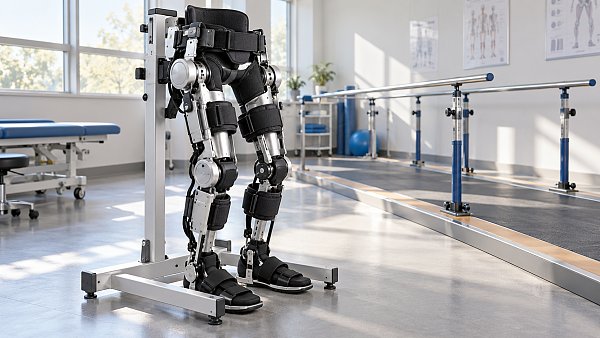
 Choosing Powered Exoskeleton Rehabilitation Devices for Post-Stroke Gait TrainingCompare powered exoskeleton rehabilitation devices for post-stroke gait training. Explore patient fit, safety, clinical evidence, and costs to choose the right system for your service.
 Commerce Ministry: Exoskeleton Sales on Key Platforms Rise 46.4% in Jan–Sep 2026Exoskeleton sales rose 46.4% on key platforms in Jan–Sep 2026, according to supplied Commerce Ministry data. Explore procurement insights and key checks for suppliers and buyers.
 Wearable Exoskeleton Rehabilitation Devices: Key Criteria for Gait TrainingCompare wearable exoskeleton rehabilitation devices for gait training. Discover key criteria for patient fit, safety, assistance, and clinical evidence to guide smarter selection.
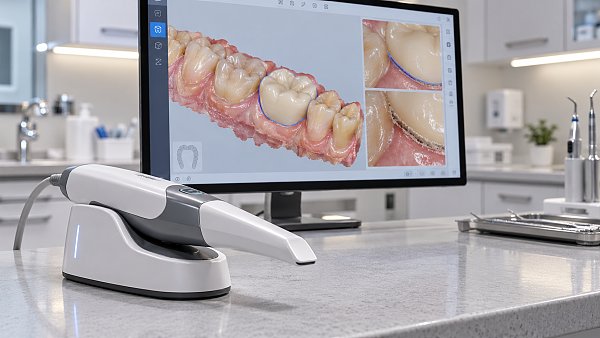
 3D Intraoral Scans Show High Specificity for Caries Around Restorations3D intraoral scans show high specificity for caries around restorations, but sensitivity varies. Explore what these findings mean for secondary caries assessment.
 Specialty Medical Equipment Specifications: Performance and Compatibility ChecksEvaluate specialty medical equipment specifications with practical performance and compatibility checks. Discover how to avoid costly mismatches and make confident hospital purchasing decisions.
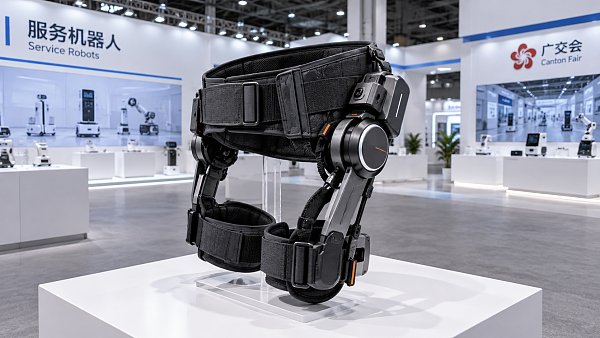
 Taixi Intelligent Exoskeleton Robot Showcased at the 140th Canton FairExplore Taixi Intelligent’s Yinyue X1 exoskeleton, reportedly showcased at the 140th Canton Fair. Discover its features and key compliance checks for overseas buyers.
 Robotic Rehabilitation Devices: How to Evaluate Systems for Gait TrainingCompare robotic rehabilitative medical devices for gait training. Discover how to assess patient fit, safety, clinical evidence, and costs to choose the right system for your program.
 UK Confirms Indefinite Recognition of CE-Marked Medical DevicesCE-marked medical devices gain indefinite recognition in Great Britain. Discover what this means for UKCA requirements, compliance planning and long-term supply continuity.
 Electric Dental Chairs: How to Assess Load Capacity, Positioning, and SafetyChoosing electric dental chair equipment? Learn how to verify load capacity, assess positioning, and check safety controls to make a confident, evidence-based purchase.
 Runyes Opens New Ningbo Plant at Global Partner SummitRunyes opens a new Ningbo plant at its 2026 Global Partner Summit. Explore what the expansion could mean for digital dental equipment, global partners, and procurement planning.
 Medical Think Tank Research for Procurement: Evidence and Bias ChecksMedical think tank procurement research: learn to verify evidence, spot bias, and assess lifecycle costs so you can turn insights into defensible hospital equipment decisions.
 Femtosecond Laser Docking: How to Troubleshoot Repeated Suction LossFemtosecond laser systems with docking: troubleshoot repeated suction loss, identify seal and vacuum issues, and explore key safety checks before another attempt. Read the guide.
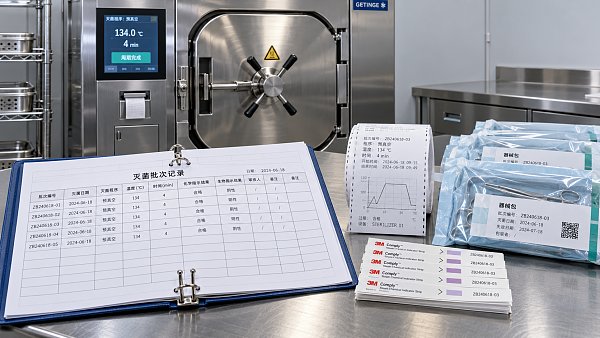
 Sterilization Standards: What Documentation Do Hospitals Need for Audits?Strengthen sterilization compliance standards documentation with essential audit records, monitoring evidence, and traceability guidance. Discover how to prepare your hospital for audits.
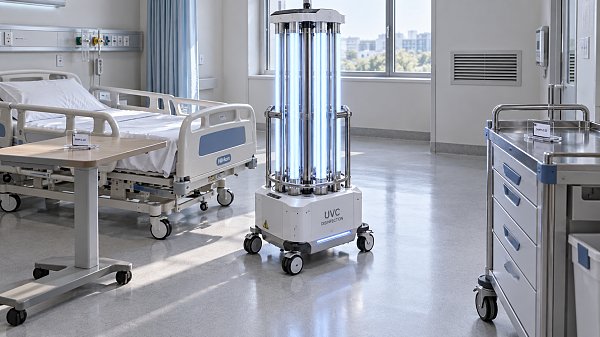
 Hospital Disinfection System Manufacturers: Efficacy Evidence Buyers Should RequestChoosing a hospital disinfection systems manufacturer? Discover the efficacy reports, safety records, and site trials to request to verify claims and buy with confidence.
 Optical Diffraction Limits Explained: How Wavelength and NA Set ResolutionOptical diffraction limits explained: Learn how wavelength and NA shape resolution, compare optical specifications confidently, and spot misleading claims before choosing imaging equipment.
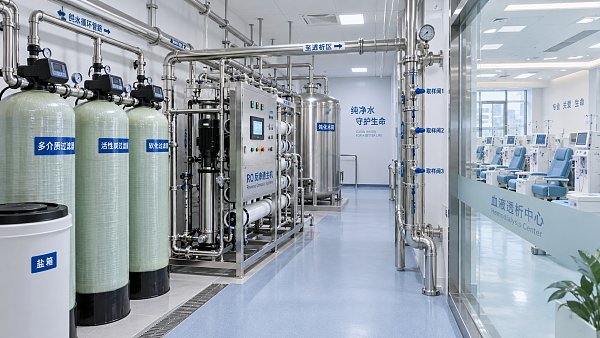
 Dialysis Center Equipment Checklist: What to Buy Before OpeningExplore end stage renal disease equipment for dialysis centers with an opening checklist for machines, water systems, and supplies. Plan smarter purchases and avoid costly startup delays.
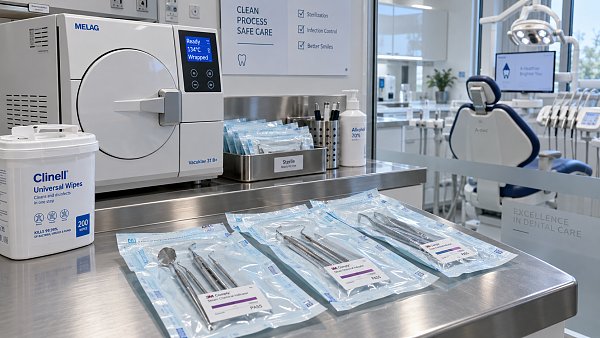
 Dental Clinic Infection Control: Daily Checks for Instruments and SurfacesExplore infection control solutions for dental clinics with practical daily checks for instruments, sterilization, and surfaces. Learn how to spot failures and strengthen patient safety.
 Focused vs. Radial Shockwave Equipment: Clinical Uses and Selection CriteriaExplore this therapeutic equipment comparison of focused vs. radial shockwave systems. Compare clinical uses, targeting, evidence, and costs to choose the right fit for your clinic.
 What Is Driving Demand for Elderly Care Equipment in Home and Facility Settings?Elderly care equipment demand is rising as home care, staff shortages, chronic disease, and safety needs reshape buying decisions. Discover the trends driving smarter care.
 How to Evaluate a Dental Equipment Supplier Before Equipping a New ClinicDental equipment supplier evaluation made simple: compare workflow fit, installation, infection control, digital integration, service support, and total ownership costs before opening your clinic.




Global Trade Insights & Industry
Our mission is to empower global exporters and importers with data-driven insights that foster strategic growth.
Search News
Popular Tags
Industry Overview
The global commercial kitchen equipment market is projected to reach $112 billion by 2027. Driven by urbanization, the rise of e-commerce food delivery, and strict hygiene regulations.