 Get Insights


When does digital treatment equipment improve outcomes?
When does digital treatment equipment truly improve outcomes—not just add complexity to clinical workflows?
For next-generation rehab robots, dialysis platforms, dental systems, ophthalmic devices, and infection control technologies, the answer is measurable precision.
As aging, chronic disease, and sterility demands rise, digital treatment equipment must prove better recovery, fewer complications, higher throughput, and consistent care.
What does digital treatment equipment mean in clinical practice?
Digital treatment equipment refers to therapeutic systems that combine hardware, sensors, software, data capture, and automated control during patient care.
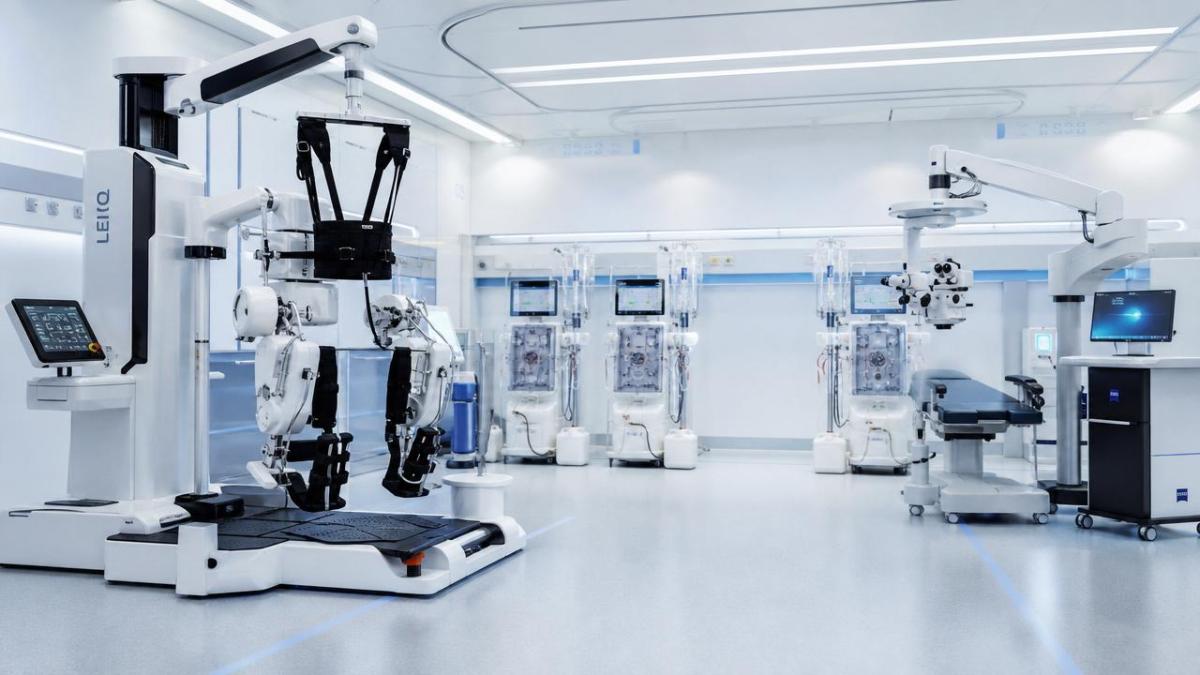
It is not simply a screen added to a device. It should change decisions, accuracy, safety, or repeatability.
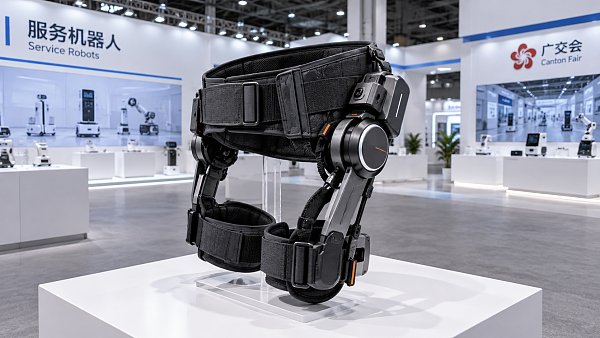
In rehabilitation, this may mean exoskeleton robots reading gait intention and adjusting assistance in real time.
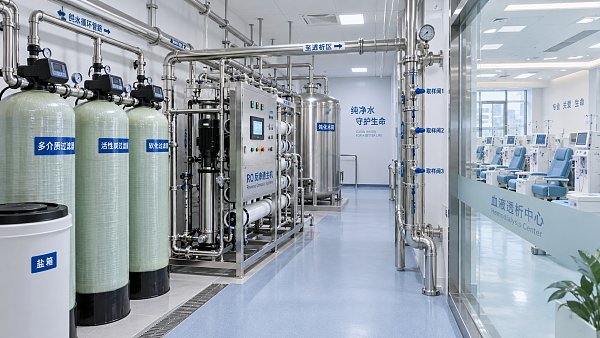
In dialysis, digital treatment equipment may control ultrafiltration flow, monitor pressures, and reduce unstable fluid removal.
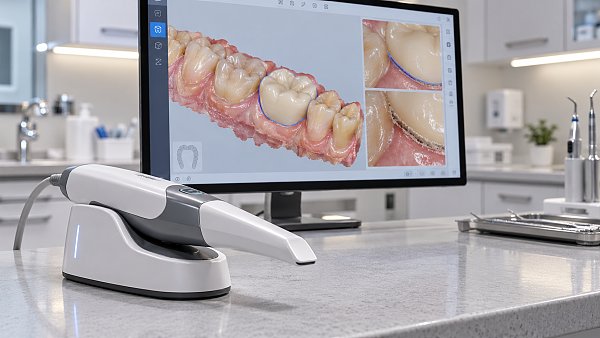
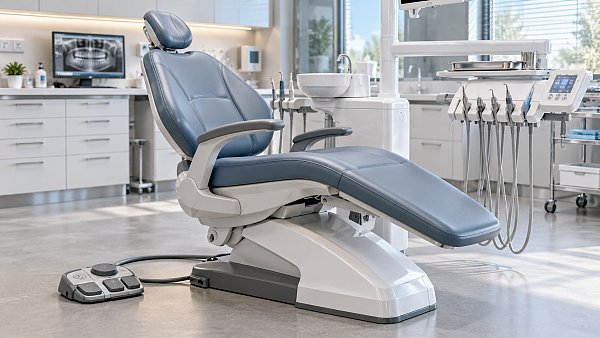
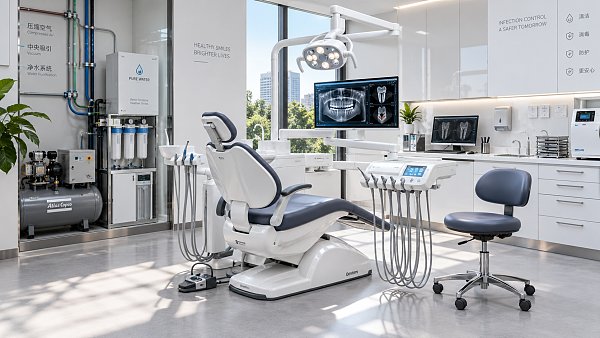
In dentistry, digital chairside systems link CBCT imaging, planning software, guided surgery, and milling workflows.
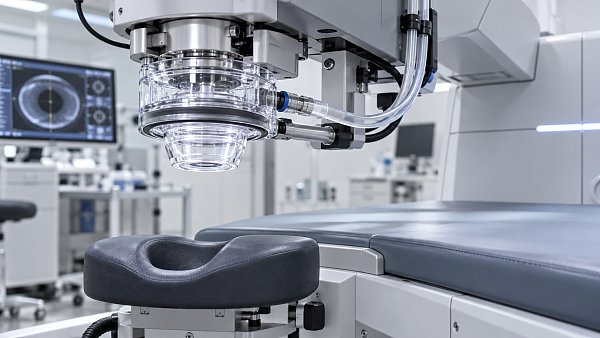
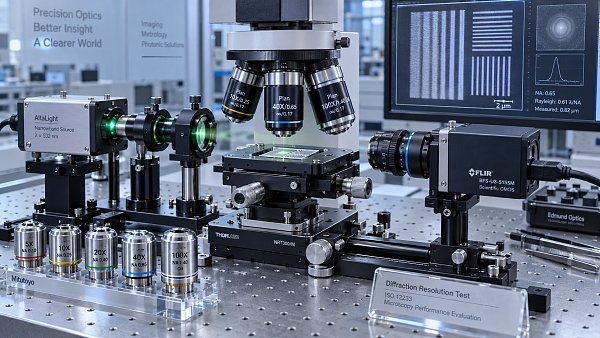
In ophthalmology, femtosecond platforms, OCT imaging, and phacoemulsification systems support micron-level planning and tissue control.
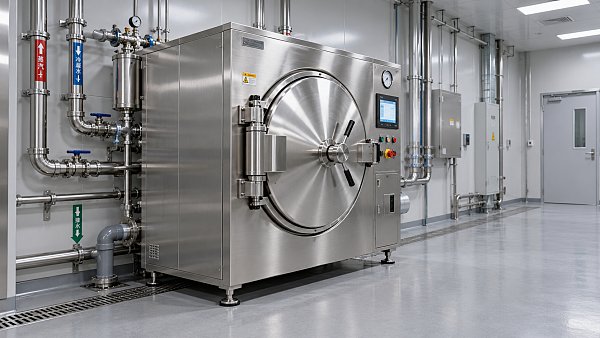
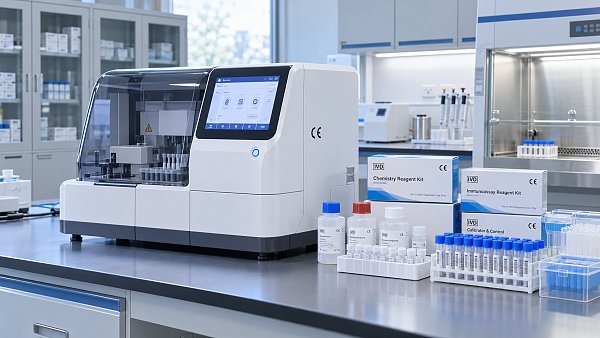
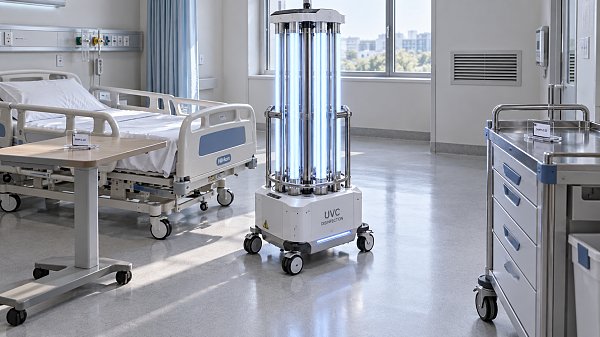
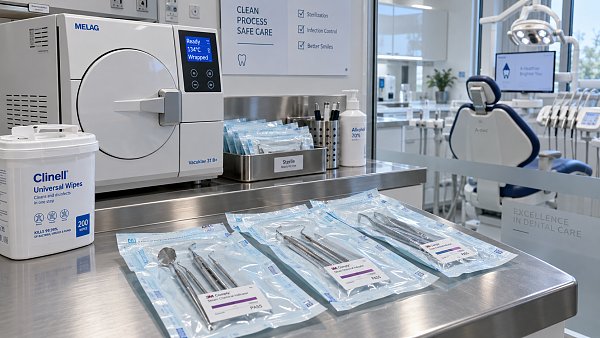
In infection control, digital treatment equipment records sterilization cycles, verifies parameters, and strengthens CSSD traceability.
How is it different from conventional equipment?
Conventional systems often depend heavily on manual setting, operator memory, and isolated records.
Digital treatment equipment adds feedback loops, parameter tracking, alarms, patient-specific protocols, and structured data for review.
The real difference appears when captured data changes the next clinical action, not when it merely fills a dashboard.
When does digital treatment equipment improve patient outcomes?
Digital treatment equipment improves outcomes when it reduces variation in procedures where precision directly affects recovery or safety.
The strongest benefits appear in high-frequency, high-risk, or highly personalized treatment scenarios.
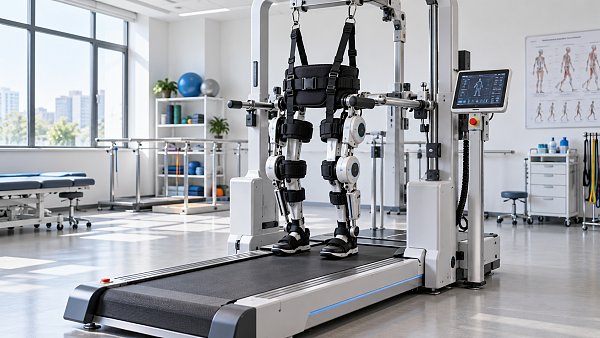
Stroke rehabilitation is one example. Robotic systems can repeat guided movement thousands of times with measurable force control.
That consistency supports neuroplasticity, fatigue management, and clearer progress tracking across therapy sessions.
Hemodialysis is another example. Precise ultrafiltration and conductivity monitoring help avoid hypotension, cramps, and incomplete toxin removal.
Digital treatment equipment also improves outcomes when procedures require visual accuracy beyond normal manual estimation.
Dental implant planning, cataract surgery, corneal reshaping, and guided endodontics all depend on spatial confidence.
In infection control, outcomes improve indirectly but powerfully. Reliable sterilization prevents surgical site infections and device-related transmission.
Which outcome metrics matter most?
Useful metrics depend on the treatment area, but they should connect to patient experience and clinical reliability.
- Functional recovery, gait speed, range of motion, and therapy adherence.
- Dialysis adequacy, fluid stability, alarm burden, and vascular access safety.
- Surgical accuracy, complication rates, healing time, and retreatment frequency.
- Sterility assurance, cycle failure rates, traceability completeness, and audit readiness.
Digital treatment equipment is valuable when these indicators improve consistently, not only during demonstration cases.
Which clinical scenarios show the clearest value?
The clearest value appears where human attention is limited, procedures are repetitive, and errors carry real consequences.
Rehab and physical therapy
Rehab robots help when movement quality matters as much as movement quantity.
Digital treatment equipment can measure asymmetry, resistance, step timing, and patient participation during each session.
This supports individualized progression, especially after stroke, spinal injury, orthopedic surgery, or neurological decline.
Hemodialysis and blood purification
Dialysis depends on exact fluid management, membrane performance, water quality, and alarm interpretation.
Digital treatment equipment supports safer sessions by recording pressures, conductivity, temperature, and ultrafiltration trends.
The benefit is strongest when data helps prevent instability before symptoms appear.
Dental units and oral care
Digital dental treatment connects imaging, planning, handpieces, implant guides, and chairside production.
Digital treatment equipment improves predictability when workflows reduce guesswork in implant positioning, occlusion, and prosthetic fit.
Ophthalmic procedures
Eyes require extraordinary precision. Small deviations can affect vision, comfort, and long-term satisfaction.
OCT-guided imaging, femtosecond lasers, and phaco systems show value when they reduce tissue trauma and improve reproducibility.
Sterilization and infection defense
Sterilization success depends on temperature, pressure, exposure time, load configuration, and barrier integrity.
Digital treatment equipment improves safety when cycle records are complete, searchable, and linked to instruments or procedures.
How should digital treatment equipment be selected?
Selection should start with the clinical problem, not the technology label.
A device should solve a specific gap in accuracy, access, safety, documentation, or patient throughput.
Digital treatment equipment should be assessed through evidence, workflow fit, service capacity, training needs, and cybersecurity readiness.
Interoperability matters. Isolated systems create duplicate work and fragmented records.
Integration with hospital information systems, imaging platforms, sterilization logs, or patient databases increases practical value.
What evidence should support the decision?
Evidence should include clinical performance, usability studies, adverse event data, and real workflow observations.
For sterilization equipment, EN, ISO, and local compliance requirements should be checked early.
For therapeutic robots and optical systems, algorithm performance and measurement limits should be transparent.
For dialysis systems, consumable ecosystems, water requirements, maintenance intervals, and alarm handling need careful review.
What risks stop digital treatment equipment from improving outcomes?
The first risk is technology-first adoption. A sophisticated system can fail if the clinical pathway remains unclear.
The second risk is poor training. Digital treatment equipment often changes roles, timing, documentation, and escalation rules.
The third risk is alarm fatigue. Too many non-actionable alerts weaken attention and delay important responses.
The fourth risk is weak data governance. Treatment data must be accurate, protected, and clinically interpretable.
The fifth risk is maintenance neglect. Sensors, pumps, lasers, optics, and sterilization chambers require scheduled validation.
Common implementation mistakes
- Choosing features before defining target outcomes.
- Ignoring consumable costs and service contracts.
- Underestimating sterilization, calibration, and cleaning requirements.
- Failing to validate integration before full deployment.
- Using dashboards without assigning responsibility for action.
Digital treatment equipment works best when procedures, training, and accountability are redesigned around the device.
How do cost, cycle time, and implementation affect results?
Financial value depends on more than purchase price.
Digital treatment equipment may require consumables, software licenses, validation tools, water systems, service plans, and staff training.
However, value can appear through higher utilization, fewer complications, shorter procedures, and better documentation.
In dialysis, recurring consumables shape long-term economics. In dentistry, chairside speed may increase same-day treatment capacity.
In CSSD operations, reliable digital records may reduce audit burden and avoid costly infection events.
Implementation should be phased. Pilot use allows teams to test protocols, patient selection, maintenance, and data flows.
A practical rollout sequence
- Define the outcome target and baseline performance.
- Map the current workflow and failure points.
- Test digital treatment equipment in controlled cases.
- Train users on alarms, documentation, and escalation.
- Review metrics before scaling to more departments.
This sequence reduces disruption and makes outcome claims easier to verify.
FAQ: quick answers about digital treatment equipment
Conclusion: when does digital treatment equipment truly pay off?
Digital treatment equipment improves outcomes when it connects precision, safety, workflow, and measurable clinical goals.
It should help therapy become more repeatable, dialysis more stable, surgery more accurate, and sterilization more defensible.
The best next step is to define one outcome gap, measure the baseline, and test a focused digital workflow.
With evidence, training, and integration, digital treatment equipment becomes more than technology. It becomes a disciplined route to safer care.
Recommended News
 Medical Compliance Reference: U.S. Infection Control Rules vs. GuidanceUse this medical compliance reference to distinguish U.S. infection control rules from guidance, clarify OSHA, CMS, FDA and CDC roles, and identify gaps before your next audit.
 Choosing Powered Exoskeleton Rehabilitation Devices for Post-Stroke Gait TrainingCompare powered exoskeleton rehabilitation devices for post-stroke gait training. Explore patient fit, safety, clinical evidence, and costs to choose the right system for your service.
 Commerce Ministry: Exoskeleton Sales on Key Platforms Rise 46.4% in Jan–Sep 2026Exoskeleton sales rose 46.4% on key platforms in Jan–Sep 2026, according to supplied Commerce Ministry data. Explore procurement insights and key checks for suppliers and buyers.
 Wearable Exoskeleton Rehabilitation Devices: Key Criteria for Gait TrainingCompare wearable exoskeleton rehabilitation devices for gait training. Discover key criteria for patient fit, safety, assistance, and clinical evidence to guide smarter selection.
 3D Intraoral Scans Show High Specificity for Caries Around Restorations3D intraoral scans show high specificity for caries around restorations, but sensitivity varies. Explore what these findings mean for secondary caries assessment.
 Specialty Medical Equipment Specifications: Performance and Compatibility ChecksEvaluate specialty medical equipment specifications with practical performance and compatibility checks. Discover how to avoid costly mismatches and make confident hospital purchasing decisions.
 Taixi Intelligent Exoskeleton Robot Showcased at the 140th Canton FairExplore Taixi Intelligent’s Yinyue X1 exoskeleton, reportedly showcased at the 140th Canton Fair. Discover its features and key compliance checks for overseas buyers.
 Robotic Rehabilitation Devices: How to Evaluate Systems for Gait TrainingCompare robotic rehabilitative medical devices for gait training. Discover how to assess patient fit, safety, clinical evidence, and costs to choose the right system for your program.
 UK Confirms Indefinite Recognition of CE-Marked Medical DevicesCE-marked medical devices gain indefinite recognition in Great Britain. Discover what this means for UKCA requirements, compliance planning and long-term supply continuity.
 Electric Dental Chairs: How to Assess Load Capacity, Positioning, and SafetyChoosing electric dental chair equipment? Learn how to verify load capacity, assess positioning, and check safety controls to make a confident, evidence-based purchase.
 Runyes Opens New Ningbo Plant at Global Partner SummitRunyes opens a new Ningbo plant at its 2026 Global Partner Summit. Explore what the expansion could mean for digital dental equipment, global partners, and procurement planning.
 Medical Think Tank Research for Procurement: Evidence and Bias ChecksMedical think tank procurement research: learn to verify evidence, spot bias, and assess lifecycle costs so you can turn insights into defensible hospital equipment decisions.
 Femtosecond Laser Docking: How to Troubleshoot Repeated Suction LossFemtosecond laser systems with docking: troubleshoot repeated suction loss, identify seal and vacuum issues, and explore key safety checks before another attempt. Read the guide.
 Sterilization Standards: What Documentation Do Hospitals Need for Audits?Strengthen sterilization compliance standards documentation with essential audit records, monitoring evidence, and traceability guidance. Discover how to prepare your hospital for audits.
 Hospital Disinfection System Manufacturers: Efficacy Evidence Buyers Should RequestChoosing a hospital disinfection systems manufacturer? Discover the efficacy reports, safety records, and site trials to request to verify claims and buy with confidence.
 Optical Diffraction Limits Explained: How Wavelength and NA Set ResolutionOptical diffraction limits explained: Learn how wavelength and NA shape resolution, compare optical specifications confidently, and spot misleading claims before choosing imaging equipment.
 Dialysis Center Equipment Checklist: What to Buy Before OpeningExplore end stage renal disease equipment for dialysis centers with an opening checklist for machines, water systems, and supplies. Plan smarter purchases and avoid costly startup delays.
 Dental Clinic Infection Control: Daily Checks for Instruments and SurfacesExplore infection control solutions for dental clinics with practical daily checks for instruments, sterilization, and surfaces. Learn how to spot failures and strengthen patient safety.
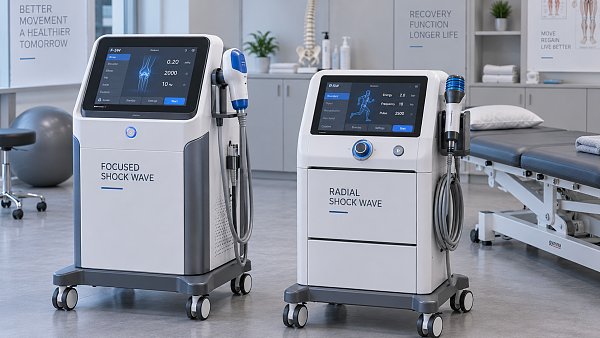
 Focused vs. Radial Shockwave Equipment: Clinical Uses and Selection CriteriaExplore this therapeutic equipment comparison of focused vs. radial shockwave systems. Compare clinical uses, targeting, evidence, and costs to choose the right fit for your clinic.
 What Is Driving Demand for Elderly Care Equipment in Home and Facility Settings?Elderly care equipment demand is rising as home care, staff shortages, chronic disease, and safety needs reshape buying decisions. Discover the trends driving smarter care.
 How to Evaluate a Dental Equipment Supplier Before Equipping a New ClinicDental equipment supplier evaluation made simple: compare workflow fit, installation, infection control, digital integration, service support, and total ownership costs before opening your clinic.




Global Trade Insights & Industry
Our mission is to empower global exporters and importers with data-driven insights that foster strategic growth.
Search News
Popular Tags
Industry Overview
The global commercial kitchen equipment market is projected to reach $112 billion by 2027. Driven by urbanization, the rise of e-commerce food delivery, and strict hygiene regulations.