 Get Insights


Ophthalmic surgical devices costs more than you expect
The true cost of ophthalmic surgical devices often goes far beyond the purchase price, making budget approval far more complex than many decision-makers expect. For financial approvers, understanding capital investment, consumables, maintenance, compliance, and long-term clinical value is essential to avoiding hidden costs while supporting better surgical efficiency, patient outcomes, and sustainable hospital returns.
In the broader medical equipment market, ophthalmic surgical devices sit at a difficult intersection. They require micron-level precision, strict sterility, and predictable uptime. They also influence throughput, surgeon confidence, and patient satisfaction.
For intelligence platforms such as MTIC, the topic matters because cost decisions in eye surgery rarely stay inside one department. They affect capital planning, infection control, service strategy, and long-term hospital competitiveness.
Why the cost of ophthalmic surgical devices changes by clinical scenario
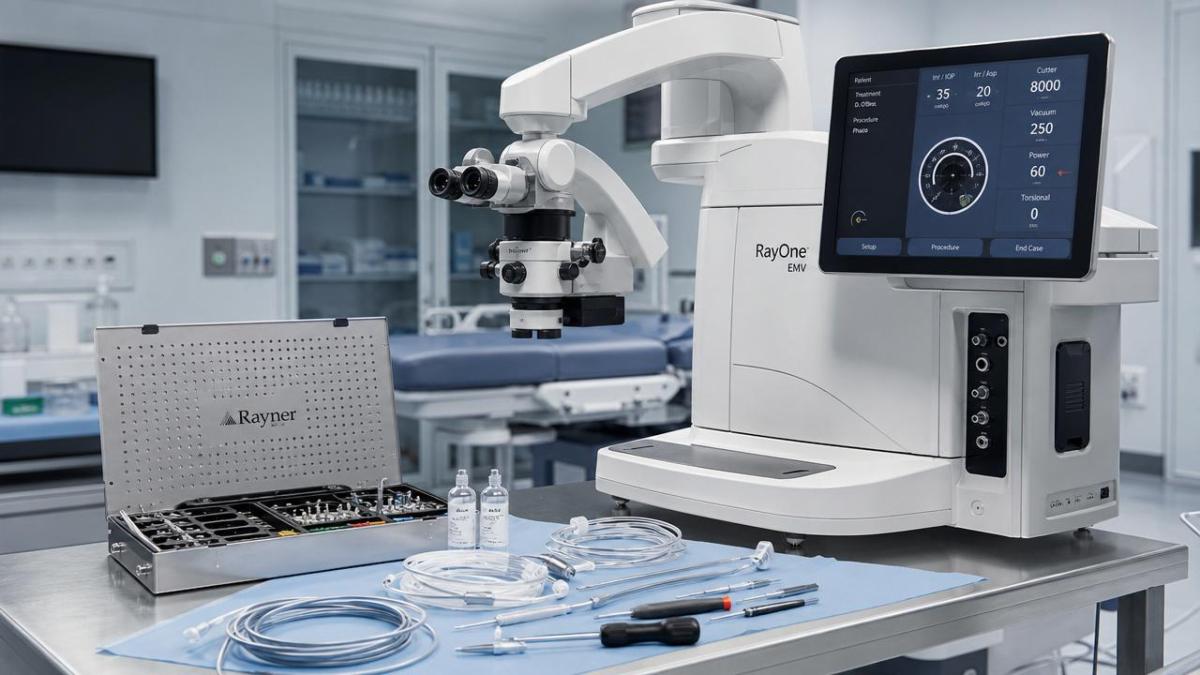
Not every facility uses ophthalmic surgical devices in the same way. Cost pressure changes with surgery type, patient volume, sterilization workflow, and tolerance for downtime.
A center focused on cataract surgery values speed, fluidics stability, and consumable control. A refractive clinic may prioritize laser precision, branding power, and premium patient experience.
A teaching hospital often carries extra cost layers. These include training, backup systems, broader case complexity, and compliance documentation. The same ophthalmic surgical devices can therefore produce very different total ownership profiles.
Scenario 1: High-volume cataract centers face hidden operating costs first
In high-volume cataract programs, ophthalmic surgical devices must support fast turnover without compromising chamber stability or surgical visibility. The machine price matters, but operating economics matter more over time.
Typical hidden costs include cassettes, tubing packs, balanced salt solution use, phaco tips, handpiece wear, and unplanned service calls. Even small per-case increases become significant across thousands of surgeries.
Core judgment points in this scenario
- Per-case consumable cost versus annual case volume
- Fluidics consistency under dense cataract conditions
- Handpiece life cycle and replacement frequency
- Downtime impact on surgery scheduling and revenue
- Compatibility with sterilization and turnover processes
For this scenario, the best ophthalmic surgical devices are not always the cheapest to acquire. They are the systems with lower total cost per completed case and fewer interruptions.
Scenario 2: Refractive surgery settings justify cost through premium outcomes
Laser-based ophthalmic surgical devices in refractive care often come with higher capital expense. However, their value is tied to precision, treatment range, patient perception, and long-term brand differentiation.
The cost model here includes software licenses, calibration routines, patient interface consumables, environmental controls, and planned upgrades. Marketing expectations can also indirectly raise the ownership burden.
Core judgment points in this scenario
- Procedure mix and premium service positioning
- Software upgrade cost over five to seven years
- Patient throughput versus treatment customization
- Energy stability, tracking performance, and retreatment risk
- Return on reputation, referrals, and conversion rates
In this setting, ophthalmic surgical devices should be evaluated as clinical and commercial platforms. A lower upfront quote may become expensive if upgrades, retreatments, or workflow delays reduce premium conversion.
Scenario 3: General hospitals need balanced ophthalmic surgical devices
General hospitals usually manage mixed case loads. Cataract, glaucoma, corneal, and occasional vitreoretinal procedures may share the same infrastructure, staff, and sterilization resources.
Here, ophthalmic surgical devices must balance versatility and simplicity. Over-specialized systems can underperform financially if procedure diversity remains limited or if trained operators are unavailable.
Core judgment points in this scenario
- Multi-procedure adaptability and modular expansion
- Training burden for rotating teams
- Compatibility with central sterile supply workflows
- Service response time and local parts availability
- Risk of underuse after installation
This scenario rewards practical planning. The right ophthalmic surgical devices often combine stable core performance with manageable support costs and straightforward integration into hospital systems.
How cost drivers differ across ophthalmic surgical device scenarios
This comparison shows why ophthalmic surgical devices cannot be judged by invoice price alone. Scenario fit determines whether a device becomes a productive asset or a budget burden.
Practical selection advice for ophthalmic surgical devices
A useful evaluation model combines clinical need, engineering support, sterile processing, and financial durability. This is especially important in the wider specialty medical equipment ecosystem described by MTIC.
- Map current procedure volume and expected growth by surgery type.
- Calculate five-year cost, not just acquisition cost.
- Check consumable dependency and supply resilience.
- Review maintenance contracts, uptime guarantees, and loaner options.
- Confirm sterilization compatibility and infection control requirements.
- Assess training needs for surgeons, nurses, and biomedical teams.
- Model revenue sensitivity if utilization falls below target.
When ophthalmic surgical devices are selected with this framework, budget discussions become more transparent. The decision shifts from sticker shock to measurable clinical and operational value.
Common mistakes when estimating ophthalmic surgical devices costs
One frequent mistake is ignoring procedure-linked consumables. Another is assuming all service contracts deliver equal response speed, parts access, or preventive maintenance quality.
Some budgets also overlook room readiness. Power quality, HVAC stability, water standards, laser safety measures, and sterile reprocessing capacity can add meaningful implementation costs.
A third error is overestimating utilization. If ophthalmic surgical devices are sized for ideal future volume, but referrals or trained staff do not materialize, the asset becomes financially inefficient.
Finally, compliance should never be treated as secondary. Documentation, validation, and infection defense practices protect both patient safety and long-term equipment credibility.
A smarter next step for evaluating ophthalmic surgical devices
The most reliable next step is to build a scenario-based cost sheet. Include capital expense, annual consumables, service, training, room adaptation, sterilization implications, and realistic case volume.
Then compare at least two ophthalmic surgical devices against the same clinical assumptions. This avoids misleading conclusions caused by inconsistent usage models or incomplete quotations.
For organizations tracking broader specialty equipment trends, MTIC-style intelligence adds another advantage. It connects surgical ergonomics, infection control, and long-term economics into one decision framework.
Ophthalmic surgical devices cost more than many expect because they are not simple machines. They are precision systems whose real value appears only when scenario fit, sterility, uptime, and clinical outcomes are evaluated together.
Recommended News
 Medical Compliance Reference: U.S. Infection Control Rules vs. GuidanceUse this medical compliance reference to distinguish U.S. infection control rules from guidance, clarify OSHA, CMS, FDA and CDC roles, and identify gaps before your next audit.
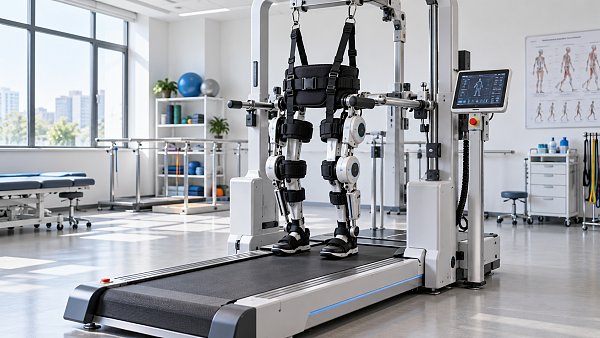
 Choosing Powered Exoskeleton Rehabilitation Devices for Post-Stroke Gait TrainingCompare powered exoskeleton rehabilitation devices for post-stroke gait training. Explore patient fit, safety, clinical evidence, and costs to choose the right system for your service.
 Commerce Ministry: Exoskeleton Sales on Key Platforms Rise 46.4% in Jan–Sep 2026Exoskeleton sales rose 46.4% on key platforms in Jan–Sep 2026, according to supplied Commerce Ministry data. Explore procurement insights and key checks for suppliers and buyers.
 Wearable Exoskeleton Rehabilitation Devices: Key Criteria for Gait TrainingCompare wearable exoskeleton rehabilitation devices for gait training. Discover key criteria for patient fit, safety, assistance, and clinical evidence to guide smarter selection.
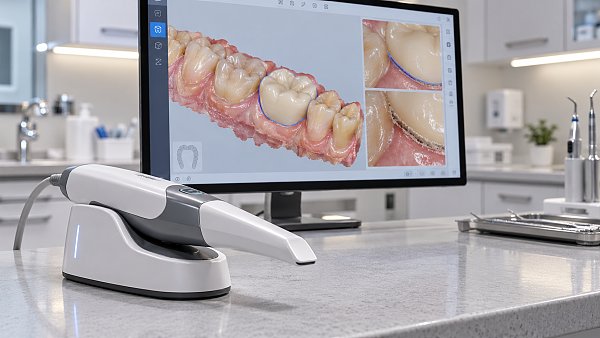
 3D Intraoral Scans Show High Specificity for Caries Around Restorations3D intraoral scans show high specificity for caries around restorations, but sensitivity varies. Explore what these findings mean for secondary caries assessment.
 Specialty Medical Equipment Specifications: Performance and Compatibility ChecksEvaluate specialty medical equipment specifications with practical performance and compatibility checks. Discover how to avoid costly mismatches and make confident hospital purchasing decisions.
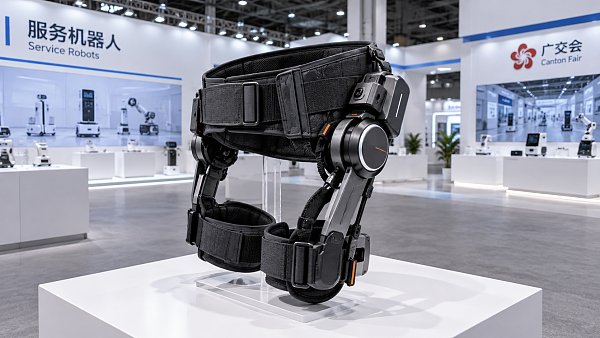
 Taixi Intelligent Exoskeleton Robot Showcased at the 140th Canton FairExplore Taixi Intelligent’s Yinyue X1 exoskeleton, reportedly showcased at the 140th Canton Fair. Discover its features and key compliance checks for overseas buyers.
 Robotic Rehabilitation Devices: How to Evaluate Systems for Gait TrainingCompare robotic rehabilitative medical devices for gait training. Discover how to assess patient fit, safety, clinical evidence, and costs to choose the right system for your program.
 UK Confirms Indefinite Recognition of CE-Marked Medical DevicesCE-marked medical devices gain indefinite recognition in Great Britain. Discover what this means for UKCA requirements, compliance planning and long-term supply continuity.
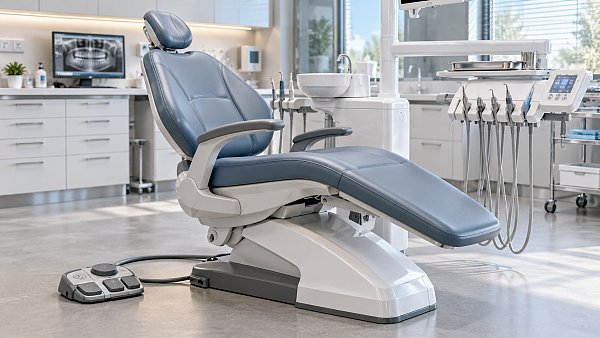
 Electric Dental Chairs: How to Assess Load Capacity, Positioning, and SafetyChoosing electric dental chair equipment? Learn how to verify load capacity, assess positioning, and check safety controls to make a confident, evidence-based purchase.
 Runyes Opens New Ningbo Plant at Global Partner SummitRunyes opens a new Ningbo plant at its 2026 Global Partner Summit. Explore what the expansion could mean for digital dental equipment, global partners, and procurement planning.
 Medical Think Tank Research for Procurement: Evidence and Bias ChecksMedical think tank procurement research: learn to verify evidence, spot bias, and assess lifecycle costs so you can turn insights into defensible hospital equipment decisions.
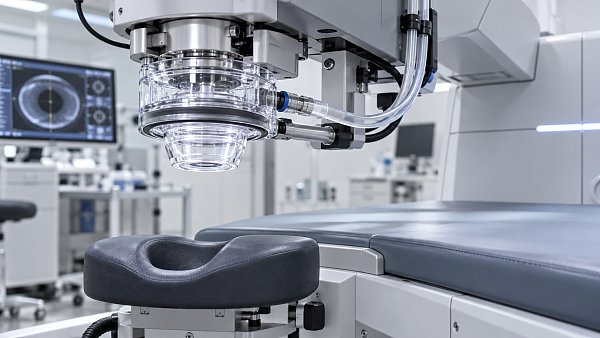
 Femtosecond Laser Docking: How to Troubleshoot Repeated Suction LossFemtosecond laser systems with docking: troubleshoot repeated suction loss, identify seal and vacuum issues, and explore key safety checks before another attempt. Read the guide.
 Sterilization Standards: What Documentation Do Hospitals Need for Audits?Strengthen sterilization compliance standards documentation with essential audit records, monitoring evidence, and traceability guidance. Discover how to prepare your hospital for audits.
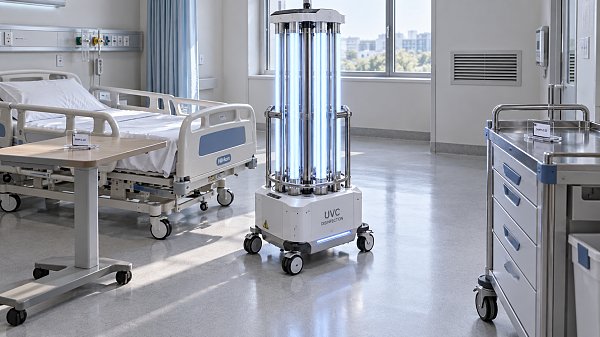
 Hospital Disinfection System Manufacturers: Efficacy Evidence Buyers Should RequestChoosing a hospital disinfection systems manufacturer? Discover the efficacy reports, safety records, and site trials to request to verify claims and buy with confidence.
 Optical Diffraction Limits Explained: How Wavelength and NA Set ResolutionOptical diffraction limits explained: Learn how wavelength and NA shape resolution, compare optical specifications confidently, and spot misleading claims before choosing imaging equipment.
 Dialysis Center Equipment Checklist: What to Buy Before OpeningExplore end stage renal disease equipment for dialysis centers with an opening checklist for machines, water systems, and supplies. Plan smarter purchases and avoid costly startup delays.
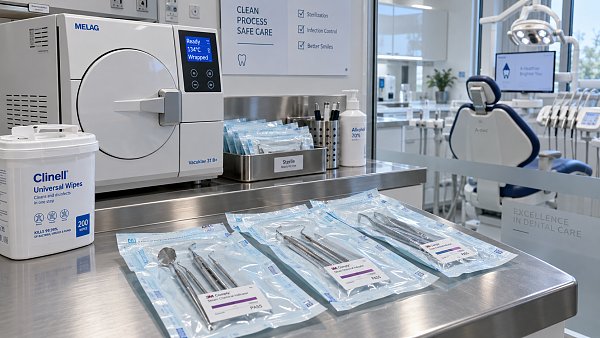
 Dental Clinic Infection Control: Daily Checks for Instruments and SurfacesExplore infection control solutions for dental clinics with practical daily checks for instruments, sterilization, and surfaces. Learn how to spot failures and strengthen patient safety.
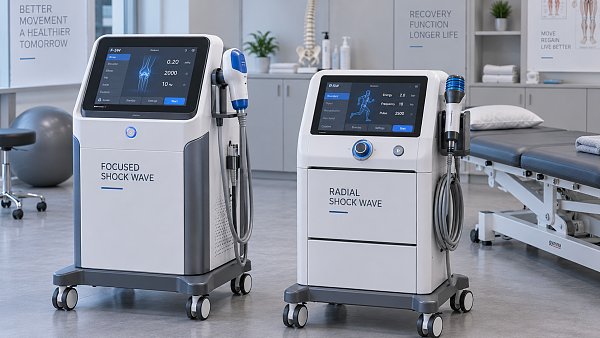
 Focused vs. Radial Shockwave Equipment: Clinical Uses and Selection CriteriaExplore this therapeutic equipment comparison of focused vs. radial shockwave systems. Compare clinical uses, targeting, evidence, and costs to choose the right fit for your clinic.
 What Is Driving Demand for Elderly Care Equipment in Home and Facility Settings?Elderly care equipment demand is rising as home care, staff shortages, chronic disease, and safety needs reshape buying decisions. Discover the trends driving smarter care.
 How to Evaluate a Dental Equipment Supplier Before Equipping a New ClinicDental equipment supplier evaluation made simple: compare workflow fit, installation, infection control, digital integration, service support, and total ownership costs before opening your clinic.









Global Trade Insights & Industry
Our mission is to empower global exporters and importers with data-driven insights that foster strategic growth.
Search News
Popular Tags
Industry Overview
The global commercial kitchen equipment market is projected to reach $112 billion by 2027. Driven by urbanization, the rise of e-commerce food delivery, and strict hygiene regulations.