 Get Insights


Southeast Asia Hospital Operational Baselines: Metrics Leaders Should Benchmark
Across Southeast Asia, hospital growth is no longer defined only by adding beds, opening satellite clinics, or purchasing the newest modality. The harder question is whether the care system behind those assets can perform reliably every day: when patient volumes surge, when a critical consumable is delayed, when a sterilizer is down, or when clinical teams are asked to do more with the same footprint.
That is why hospital operational baselines Southeast Asia leaders benchmark deserve closer attention. A baseline is not a generic “best practice” imported from another market. It is the minimum operating condition at which patient safety, clinical continuity, workforce capacity, and capital discipline remain intact. For a regional hospital group, it also becomes a common language for comparing facilities with very different case mixes, reimbursement models, labor pools, and levels of digital maturity.
As healthcare demand accelerates across the region, hospital leaders need clear, actionable benchmarks to balance patient safety, clinical quality, and capital efficiency. The most useful measures extend beyond occupancy and revenue. They include sterilization traceability, dialysis uptime, rehabilitation utilization, digital dental workflow throughput, and ophthalmic precision—signals that reveal whether an organization is building resilient care delivery or merely expanding capacity.
The regional context: growth exposes operational variation
Southeast Asia is not one hospital market. Mature private networks in Singapore and Malaysia may operate beside rapidly scaling urban hospitals in Indonesia, Vietnam, Thailand, and the Philippines, while provincial facilities often work with tighter staffing and more variable utility infrastructure. Yet many pressures are shared: aging populations, rising chronic kidney disease, demand for faster elective care, medical tourism, constrained specialist availability, and greater scrutiny of healthcare-associated infections.
These pressures create a familiar executive dilemma. Capital teams may see a new dialysis fleet, robotic rehabilitation platform, dental chairside system, or ophthalmic laser as a growth opportunity. Clinical leaders may see it as essential to patient care. Operations teams, however, must ask the less glamorous questions: Is the preventive maintenance discipline ready? Can the CSSD support increased procedure turnover? Are water quality checks documented and acted upon? Will utilization be sufficient to protect the investment without encouraging clinically inappropriate volume?
A credible benchmark framework turns these competing viewpoints into a shared decision process. It does not insist that every hospital reach the same number. Instead, it defines which measures must be visible, how they should be segmented, and which deviations require action.
Start with a baseline hierarchy, not a single scorecard
One common mistake is to compress operational performance into a single dashboard score. That can conceal serious weaknesses. A hospital may show strong revenue per bed while carrying poor instrument traceability. Another may achieve high equipment utilization only because maintenance windows are repeatedly deferred.
For executive review, a more useful hierarchy has four layers:
- Non-negotiable safety controls: sterilization release records, infection surveillance, water and environmental controls, device maintenance compliance, and incident escalation.
- Clinical continuity: treatment availability, cancellation rates, turnaround time, unplanned downtime, consumable readiness, and staffing coverage.
- Capacity productivity: room utilization, patient throughput, therapy attendance, equipment use by shift, and idle capacity.
- Financial sustainability: cost per completed treatment, consumable yield and waste, service-contract exposure, revenue mix, and replacement planning.
The ordering matters. A productivity measure should never be allowed to override a safety control. In practice, this means dashboards should flag safety and compliance exceptions separately rather than allowing favorable volume figures to offset them.
CSSD and infection control: measure the chain, not only the machine
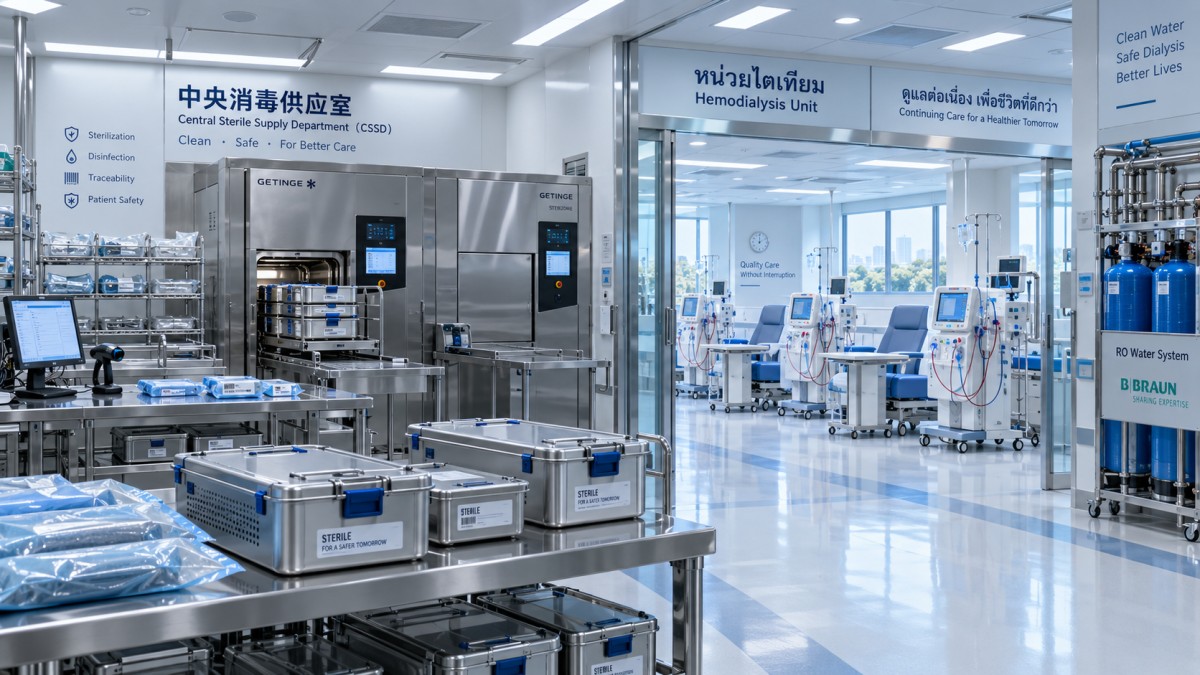
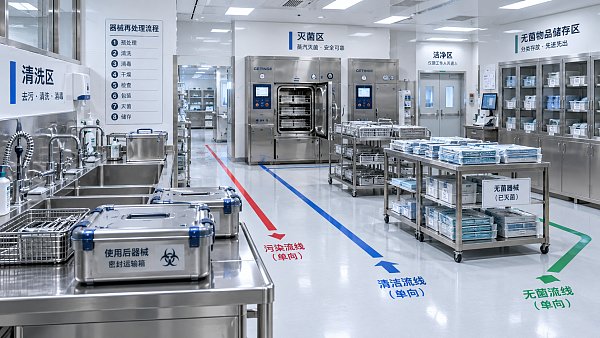
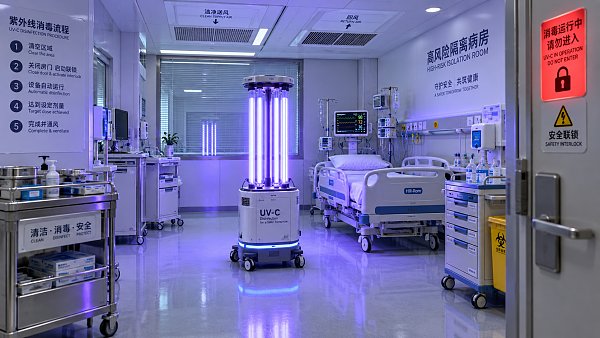
Infection control is often discussed as a policy domain, but its operational reality is physical and sequential. Instruments move through decontamination, inspection, packaging, sterilization, release, storage, and clinical use. A failure at any point can compromise the entire chain. For hospitals expanding surgical, dental, or ophthalmic services, Central Sterile Supply Department performance is therefore a core operational baseline—not a back-office detail.
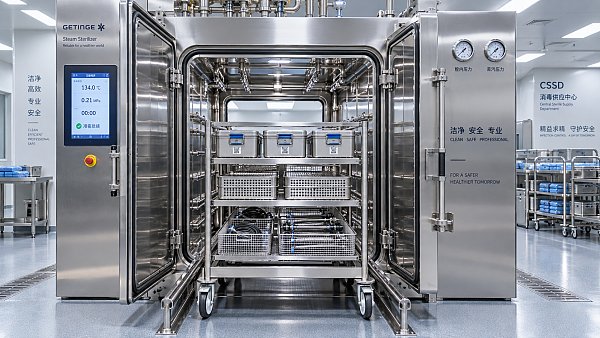
Leaders should benchmark cycle completion and release integrity, not simply sterilizer utilization. Useful measures include the share of loads with complete electronic or documented traceability; biological and chemical indicator exception handling; loads delayed or quarantined; turnaround time by instrument set category; wet-pack or packaging defect rates; and corrective-action closure after deviations. The objective is to understand whether the department can prove that every released set completed the required process under controlled conditions.
Preventive maintenance adherence also deserves board-level visibility when CSSD capacity is tight. An autoclave or low-temperature sterilization system that is technically available but operating with overdue validation, worn seals, inconsistent steam quality, or deferred maintenance is not dependable capacity. Hospitals should distinguish planned downtime from unplanned downtime and review the root causes of recurring interruptions.
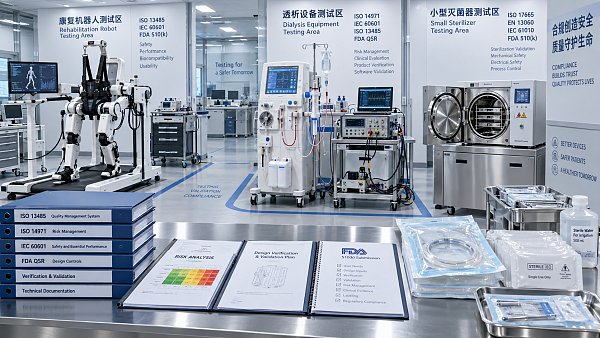
Regional leaders should align their local procedures with applicable national requirements while using recognized international frameworks, such as relevant EN and ISO sterilization standards, as a reference point for process discipline. The goal is not paperwork for its own sake. It is audit readiness that reflects real control: trained operators, validated cycles, documented loads, maintained equipment, and a clear response when a parameter falls outside acceptance criteria.
Dialysis: availability is a patient-safety metric
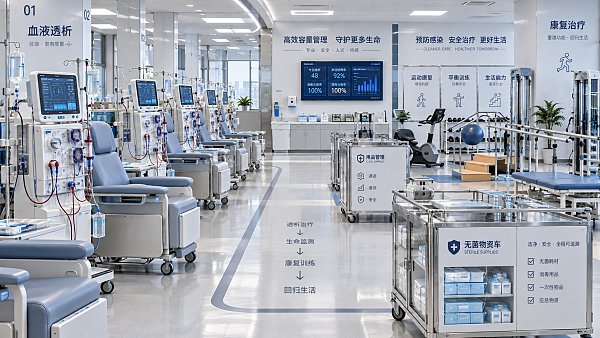
For patients receiving maintenance hemodialysis, missed or shortened treatment is not an ordinary service inconvenience. It can have immediate clinical consequences. A dialysis operational baseline must therefore connect engineering reliability to patient continuity.
Track scheduled treatment completion alongside machine availability. A unit may report high machine uptime yet still experience disrupted sessions because of poor chair scheduling, delayed disposables, staffing gaps, inadequate water-system capacity, or disinfection cycles that collide with peak demand. Segment cancellations and treatment interruptions by cause: patient-related, clinical, equipment-related, water-related, supply-related, and staffing-related. Without that breakdown, management may invest in more machines when the real constraint sits elsewhere.
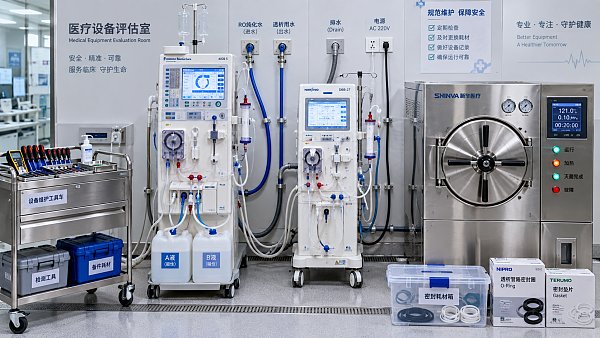
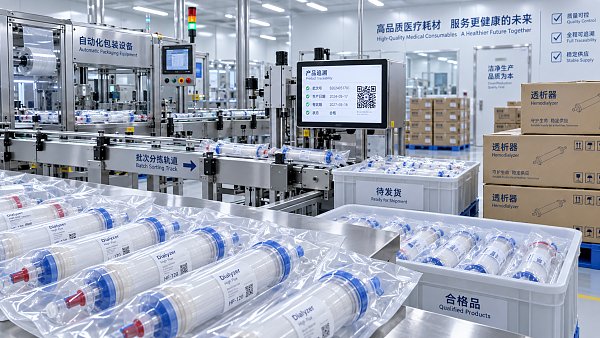
Water treatment deserves particular rigor. Medical-grade reverse osmosis performance, routine monitoring, disinfection records, alarm response, and contingency planning should be reviewed as one operating system. The same principle applies to dialyzer and bloodline inventory. A low inventory value may look financially disciplined until emergency substitutions, shipment delays, or product standardization changes create avoidable treatment risk.
For capital planning, compare utilization by shift rather than relying on monthly averages. A dialysis center can appear underused overall while running at unsafe intensity during preferred morning slots and leaving later capacity idle. The answer may be transport coordination, patient education, staggered staffing, or referral management—not automatically another expansion project.
Rehabilitation services: distinguish access from meaningful use
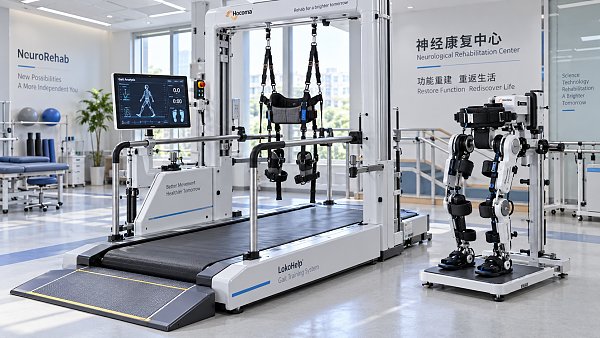
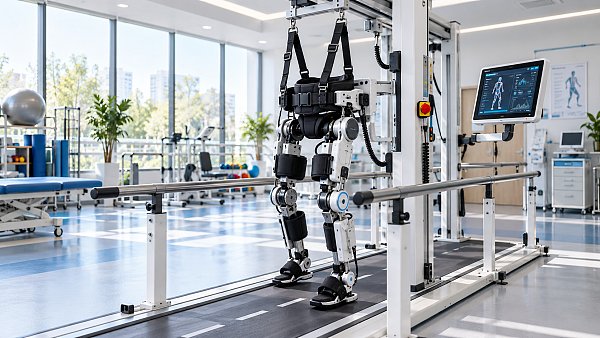
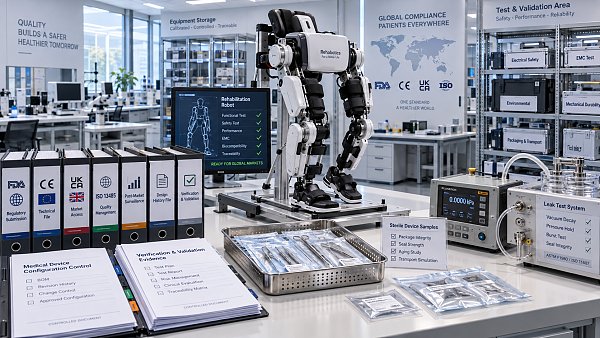
Rehabilitation is becoming more important as stroke survival improves, orthopedic procedures increase, and families expect patients to regain mobility rather than simply leave acute care. Yet rehab equipment can be among the easiest assets to underutilize. An exoskeleton robot or neuroelectrical stimulation system may attract attention during launch, then sit unused when referral criteria, therapist training, scheduling, or reimbursement pathways remain unclear.
Benchmarking should begin with the patient pathway. What proportion of eligible inpatients receive a rehabilitation assessment within the intended clinical window? How long does it take from referral to the first therapy session? How many planned sessions are completed? What is the cancellation pattern? These measures show whether access is real.
Then examine equipment utilization in context. Session count alone can be misleading; a complex robotic device may appropriately serve a narrower patient cohort than standard therapy equipment. Better questions include whether clinicians use the technology for patients who meet defined indications, whether therapy staff are credentialed and confident, whether device time is lost to setup or faults, and whether functional outcomes are consistently documented.
For hospital groups, the strategic opportunity lies in network design. Not every site needs every advanced modality. A hub-and-spoke model may place high-acuity robotic rehabilitation in referral centers while community facilities focus on early mobilization, follow-up, and digitally supported home programs. That approach can improve access without turning every purchase into a standalone utilization challenge.
Dental and ophthalmic services: throughput must preserve precision
Consumer-facing specialty services have become important growth areas in many Southeast Asian markets. Dental implants, orthodontics, cataract treatment, refractive procedures, and diagnostic imaging increasingly shape a hospital’s outpatient proposition. They also introduce a distinct operational risk: pressure for speed can quietly erode the clinical controls that protect quality.
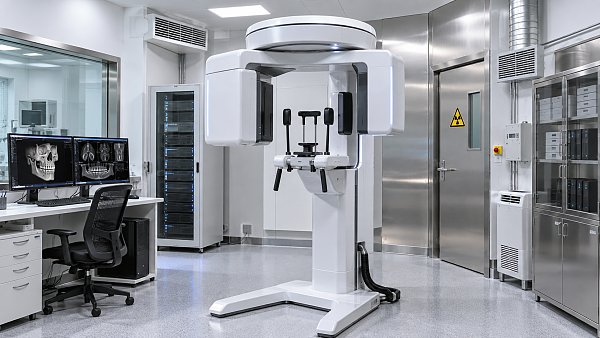
For digital dentistry, benchmark chair utilization, no-show rates, scan-to-treatment-plan turnaround, remakes or repeat procedures, equipment downtime, and sterilized instrument-set availability. A CBCT scanner or chairside workflow creates value when it reduces avoidable handoffs and improves treatment planning—not simply when it generates more images. Leaders should also monitor whether file management, consent processes, and calibration practices are consistently followed across clinicians and locations.
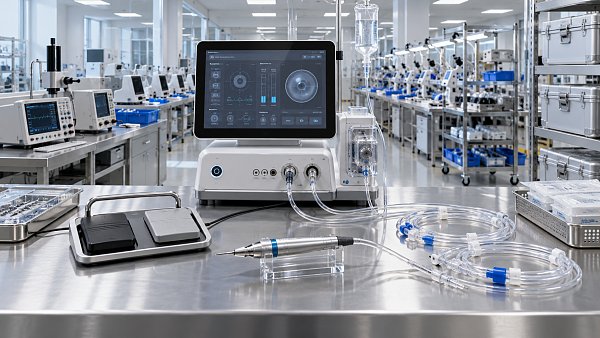
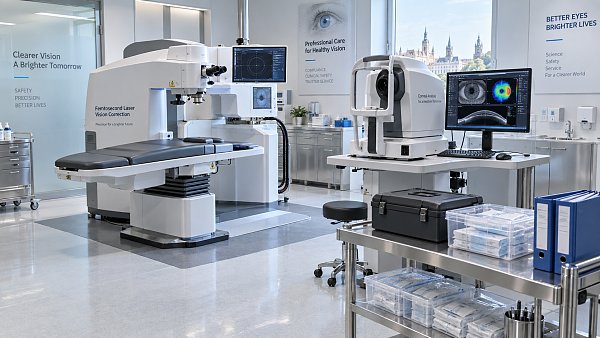
In ophthalmology, the operational baseline should include diagnostic image quality, repeat scan rates, procedure room turnover, consumable traceability, calibration status, and post-procedure follow-up adherence. Highly precise technologies such as phacoemulsification and femtosecond laser platforms depend on disciplined preparation, trained teams, and reliable maintenance. A short procedure time is meaningful only when it is paired with appropriate patient selection and consistent clinical outcomes.
What executives should compare across facilities
Cross-hospital comparisons fail when they ignore complexity. A tertiary center managing high-risk renal patients should not be judged by the same treatment-time profile as a satellite unit. A flagship eye center performing complex cases should not be compared directly with a high-volume screening clinic.
Before comparing sites, normalize performance by service scope, patient acuity, operating hours, staffing model, equipment age, and referral role. Then review both the median and the outliers. The most revealing question is often not “Which facility is best?” but “Why does this facility achieve stable performance under comparable conditions?” That inquiry may uncover a stronger maintenance workflow, better supply forecasting, a more practical training model, or a local leader who has built effective daily routines.
It is equally important to separate a metric’s direction from its target. Lower unplanned downtime is always desirable; the acceptable threshold, however, depends on whether backup capacity exists. Higher utilization may be positive until it begins to compromise cleaning intervals, staff recovery, or timely preventive maintenance. Benchmark ranges should be set by each organization’s clinical risk appetite and operating model, then reviewed as capacity changes.
From dashboard reporting to investment choices
The most mature hospitals use benchmarks to decide what not to buy as well as what to buy. If a CSSD bottleneck is delaying procedures, another operating-room asset may amplify the constraint. If dialysis chair utilization is uneven by shift, a new machine fleet may not solve the problem. If a rehabilitation robot has weak referrals, investment may be better directed toward pathway design and therapist development before additional technology is added.
A practical quarterly review can connect the dots. Bring clinical, infection prevention, biomedical engineering, procurement, finance, and operations leaders to the same table. Review exceptions first, then recurring downtime, capacity friction, utilization patterns, and upcoming replacement needs. Ask which gaps can be corrected through process redesign, which require training, and which genuinely require capital.
This is where specialty intelligence becomes valuable. Leaders need to understand not only equipment specifications, but also the operational ecosystem around them: consumable dependency, service requirements, regulatory expectations, workflow ergonomics, and the long-tail economics of equipment-plus-disposables models. In markets shaped by procurement pressure and expanding care demand, that broader view protects both patient experience and investment discipline.
A stronger definition of hospital readiness
The future-ready hospital in Southeast Asia will not necessarily be the one with the most visible technology. It will be the one that can demonstrate dependable sterilization, uninterrupted life-sustaining therapy, accessible rehabilitation, precise specialty care, and a disciplined response when performance drifts.
For decision-makers, the next step is simple but demanding: establish a small set of non-negotiable operational baselines, make the underlying data trustworthy, and use it to guide daily management as well as capital allocation. When leaders benchmark the full care system—not just beds, revenue, or purchased assets—they gain a clearer view of where resilience is being built and where hidden risk is accumulating.
Recommended News
 Southeast Asia Hospital Operational Baselines: Metrics Leaders Should BenchmarkHospital operational baselines Southeast Asia: discover essential metrics for CSSD, dialysis, rehab, dental, and ophthalmology to improve safety, uptime, utilization, and capital decisions.
 How to Evaluate a Phacoemulsification Machine Factory for Quality and Supply ReliabilityEvaluate a phacoemulsification machines factory for proven quality, traceability, clinical performance, consumable security, and reliable long-term service support.
 How to Specify a VHP Plasma Sterilizer for Heat- and Moisture-Sensitive DevicesVHP plasma sterilizer specification guide for heat- and moisture-sensitive devices—compare lumen validation, material compatibility, drying, loading, and compliance.
 How to Select Gait Rehabilitation Systems for Stroke and Neurological Recovery ProgramsGait rehabilitation systems guide smarter stroke and neurological recovery programs. Compare support, safety, therapy dose, data, and workflow to choose the right solution.
 How to Select Stainless Steel Vacuum Sterilizers for High-Throughput CSSD WorkflowsStainless steel vacuum sterilizers for high-throughput CSSD: compare vacuum performance, drying reliability, traceability, utilities, and lifecycle value.
 How to Select an Exoskeleton for Stroke Rehabilitation by Patient Mobility LevelExoskeleton for stroke rehabilitation: learn how to match device support, safety, workflow, and data features to each patient’s mobility level.
 Medical Device Standards List: Key ISO, IEC, and FDA Requirements by Product TypeMedical device standards list covering key ISO, IEC, and FDA requirements by product type. Explore compliance guidance for robotics, dialysis, sterilization, dental, and ophthalmic devices.
 Cross-Infection Prevention Systems for Outpatient Centers: Compliance Planning GuideCross infection prevention systems outpatient center guide: build compliant workflows, reprocessing controls, hygiene protocols, and audit-ready records.
 How to Evaluate Docking Accuracy and Workflow Fit in Femtosecond Laser SystemsExplore femtosecond laser systems with docking: assess alignment accuracy, suction stability, imaging guidance, workflow efficiency, and safer procurement decisions.
 Therapy Table Equipment Selection: Key Features for Safe, Efficient Rehabilitation CareTherapy table equipment selection made simple: explore key safety, load, hygiene, mobility, and workflow features for efficient rehabilitation care.
 What Does AAMI-Compliant RO Water Require for Dialysis System Validation?AAMI compliant RO water validation for dialysis requires proven chemical, microbiological, endotoxin, sampling, monitoring, and disinfection control. Explore the essential steps.
 How to Compare Medical Equipment Specifications for Safer Purchasing DecisionsMedical equipment comparison by specifications: learn to evaluate safety, workflow fit, compliance, and lifecycle costs for smarter, safer purchasing decisions.
 How to Specify UV Hospital Disinfection Systems for High-Risk Clinical AreasUV hospital disinfection systems: learn how to specify safer, workflow-ready solutions for high-risk clinical areas with proven dosing, interlocks, and commissioning.
 How Should Clinics Select Medical Rehabilitation Equipment for Their Patient Mix?Medical rehabilitation equipment clinic selection made practical: match technology to patient needs, workflow, safety, and long-term value. Read the guide.
 How to Evaluate a Dialyzer Consumables Supplier for Quality, Traceability, and Supply ContinuityDialyzer consumables supplier evaluation made practical: assess quality evidence, lot traceability, supply continuity, and total cost for safer sourcing decisions.
 Aging Healthcare Demand Forecast: Which Care Segments Will Face Capacity Gaps First?Aging healthcare demand forecast: discover which care segments will face capacity gaps first—from dialysis and rehabilitation to infection control—and how leaders can act early.
 Selecting Vision Correction Equipment for Europe: MDR, CE Evidence, and Service RequirementsVision correction equipment Europe: assess MDR and CE evidence, clinical performance, cybersecurity, site readiness, and service coverage for a safer, auditable selection.
 Medical Device Compliance: A Practical Guide to Core Documentation and StandardsMedical device compliance information: explore core documentation, risk management, validation, standards, and change control for safer, audit-ready devices.
 Dental CBCT Equipment Cost: Budgeting for Purchase, Installation, and OwnershipDental CBCT equipment cost explained: budget for purchase, installation, software, service, compliance, and ownership to build a smarter, lower-risk imaging investment plan.
 How to Build a Global Medical Compliance Reference for Multi-Market Device LaunchesGlobal medical compliance reference: build a traceable, market-ready framework that links requirements, evidence, claims, and lifecycle controls for successful device launches.
 How to Evaluate a Dental Chair Systems Manufacturer for Clinic ProjectsChoose a dental chair systems manufacturer with confidence. Compare ergonomics, infection control, digital compatibility, installation support, and lifecycle value for clinic projects.







Global Trade Insights & Industry
Our mission is to empower global exporters and importers with data-driven insights that foster strategic growth.
Search News
Popular Tags
Industry Overview
The global commercial kitchen equipment market is projected to reach $112 billion by 2027. Driven by urbanization, the rise of e-commerce food delivery, and strict hygiene regulations.