 Get Insights


How ophthalmic surgical devices affect surgical precision
For technical evaluators, ophthalmic surgical devices are more than operating-room tools—they are precision systems that directly influence incision accuracy, tissue stability, and surgical repeatability. From femtosecond lasers to phaco platforms and imaging-guided technologies, each component can affect outcomes at the micron level. This article examines how ophthalmic surgical devices shape surgical precision, helping decision-makers assess performance, integration, and clinical value with greater confidence.
Why a checklist matters when evaluating ophthalmic surgical devices
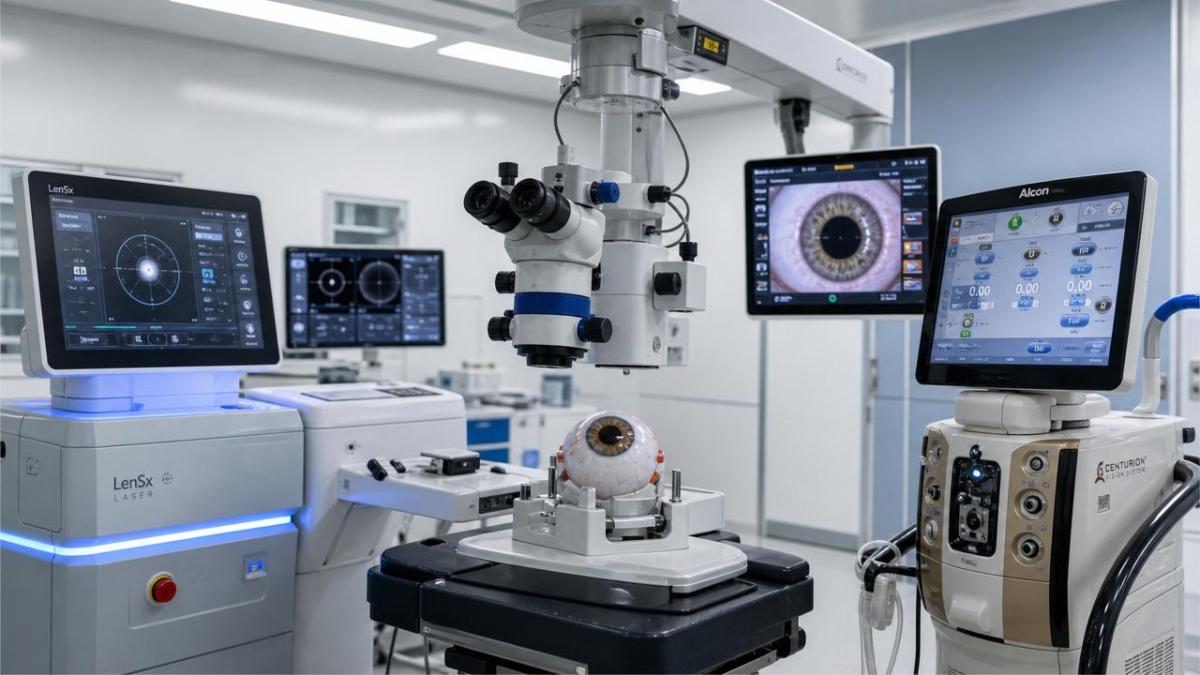
Precision in eye surgery is unforgiving because target tissues are thin, transparent, mobile, and highly sensitive to thermal, mechanical, and fluidic stress.
That is why ophthalmic surgical devices should be judged through a structured checklist rather than isolated specifications or marketing claims.
A checklist helps compare laser accuracy, phaco fluidics, visualization quality, ergonomics, software guidance, and sterilization compatibility in one decision framework.
It also aligns with the broader medical equipment perspective seen across MTIC’s coverage of fine-treatment systems and infection-safe clinical infrastructure.
Core checklist: how ophthalmic surgical devices affect surgical precision
- Verify cutting accuracy by reviewing spot size, pulse consistency, depth control, and centration stability in femtosecond and laser-assisted ophthalmic surgical devices.
- Measure fluidic stability by checking aspiration response, occlusion break behavior, chamber maintenance, and surge suppression during phacoemulsification procedures.
- Assess imaging guidance by confirming real-time OCT, microscope clarity, red reflex performance, and digital overlay accuracy during critical surgical steps.
- Examine energy delivery by comparing ultrasound modulation, laser pulse profiles, and thermal spread that can influence collateral tissue effects.
- Check instrument ergonomics by testing handpiece balance, pedal responsiveness, tactile feedback, and setup logic under repetitive surgical workflows.
- Review software integration by validating treatment planning, parameter presets, error alerts, and interoperability across imaging and surgical platforms.
- Confirm calibration routines by documenting how often ophthalmic surgical devices require alignment checks, sensor verification, and preventive maintenance.
- Inspect consumable consistency by analyzing cassette quality, tubing tolerances, tips, blades, packs, and their effect on repeatable performance.
- Test workflow speed by timing docking, priming, lens fragmentation, incision creation, and turnover without sacrificing surgical precision.
- Validate infection-control compatibility by ensuring surfaces, accessories, and reprocessing pathways support sterile handling and hospital compliance expectations.
How different ophthalmic procedures change the precision requirement
Cataract surgery
In cataract surgery, ophthalmic surgical devices influence capsulotomy geometry, nucleus fragmentation efficiency, and intraocular lens positioning consistency.
Small differences in fluidics or ultrasound modulation can change endothelial stress, chamber stability, and effective phaco time, all linked to precision outcomes.
Refractive surgery
For LASIK, SMILE, and related procedures, micron-level precision depends on corneal thickness mapping, docking stability, centration, and pulse placement accuracy.
Here, ophthalmic surgical devices must maintain reliable eye tracking and predictable tissue interaction despite patient movement or subtle corneal variation.
Retina and vitreoretinal surgery
Posterior segment procedures emphasize illumination control, cutter responsiveness, infusion pressure stability, and visualization through challenging media conditions.
Precision is shaped less by a single device and more by system coordination between vitrectomy platforms, wide-angle viewing, and intraoperative imaging.
Corneal transplantation and anterior segment repair
These cases demand highly consistent cut profiles, graft sizing, and tissue handling because mismatch at tiny scales can affect sealing and visual recovery.
Ophthalmic surgical devices used here should be judged for precision under delicate tissue mechanics, not only nominal laboratory specifications.
Commonly overlooked factors that reduce precision
Device precision is not the same as system precision
A high-performance laser or phaco unit may still underperform if the microscope, patient interface, consumables, or software settings are mismatched.
Sterility workflows can alter technical performance
Improper reprocessing, damaged accessories, or inconsistent sterile assembly can introduce alignment errors, leaks, contamination risks, or unstable fluid pathways.
Training depth affects repeatability more than headline specs
Even advanced ophthalmic surgical devices need standardized parameter selection, docking technique, handpiece handling, and troubleshooting under live conditions.
Maintenance intervals influence micron-level reliability
Delayed calibration, worn seals, sensor drift, or optical contamination can gradually reduce precision before obvious failure appears.
Data visibility often remains underused
Procedure logs, alarm histories, vacuum curves, and energy metrics can reveal whether ophthalmic surgical devices are delivering stable real-world performance.
Practical execution steps for stronger technical evaluation
- Build a scorecard that weights imaging, fluidics, energy control, ergonomics, reprocessing, and service support instead of using price alone.
- Run side-by-side demonstrations with identical case types, consumables, and settings to isolate the true impact of ophthalmic surgical devices.
- Collect quantitative indicators such as docking time, effective phaco time, chamber stability events, decentration, and retreatment frequency.
- Check integration with sterilization and infection-control workflows, especially reusable accessories, turnover timing, and traceability requirements.
- Review service architecture, spare parts availability, software update policy, and calibration response time before technical approval.
Summary and next-step guidance
Ophthalmic surgical devices affect surgical precision through much more than nominal accuracy. They shape how energy is delivered, how tissue is stabilized, how imaging guides action, and how repeatably the whole procedure performs.
The most reliable evaluation combines device specifications with workflow evidence, maintenance discipline, consumable quality, and sterile clinical compatibility.
For a practical next step, convert the checklist above into a weighted comparison sheet, test ophthalmic surgical devices in matched scenarios, and document performance trends over multiple procedures rather than one demonstration.
That approach reveals which platform truly supports precision, safety, and durable clinical value in modern ophthalmic surgery.
Recommended News
 Medical Compliance Reference: U.S. Infection Control Rules vs. GuidanceUse this medical compliance reference to distinguish U.S. infection control rules from guidance, clarify OSHA, CMS, FDA and CDC roles, and identify gaps before your next audit.
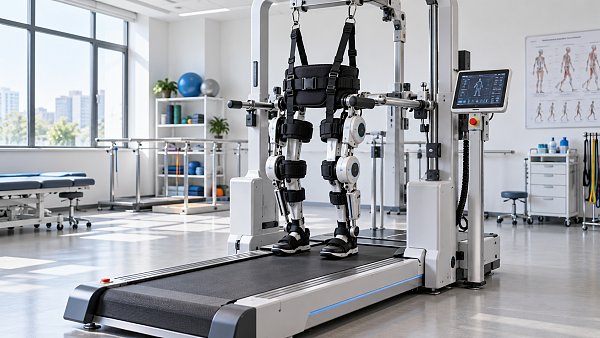
 Choosing Powered Exoskeleton Rehabilitation Devices for Post-Stroke Gait TrainingCompare powered exoskeleton rehabilitation devices for post-stroke gait training. Explore patient fit, safety, clinical evidence, and costs to choose the right system for your service.
 Commerce Ministry: Exoskeleton Sales on Key Platforms Rise 46.4% in Jan–Sep 2026Exoskeleton sales rose 46.4% on key platforms in Jan–Sep 2026, according to supplied Commerce Ministry data. Explore procurement insights and key checks for suppliers and buyers.
 Wearable Exoskeleton Rehabilitation Devices: Key Criteria for Gait TrainingCompare wearable exoskeleton rehabilitation devices for gait training. Discover key criteria for patient fit, safety, assistance, and clinical evidence to guide smarter selection.
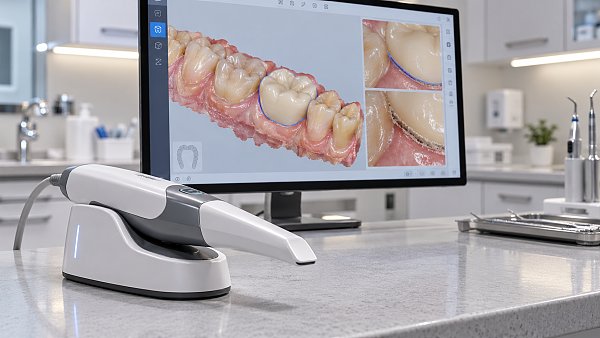
 3D Intraoral Scans Show High Specificity for Caries Around Restorations3D intraoral scans show high specificity for caries around restorations, but sensitivity varies. Explore what these findings mean for secondary caries assessment.
 Specialty Medical Equipment Specifications: Performance and Compatibility ChecksEvaluate specialty medical equipment specifications with practical performance and compatibility checks. Discover how to avoid costly mismatches and make confident hospital purchasing decisions.
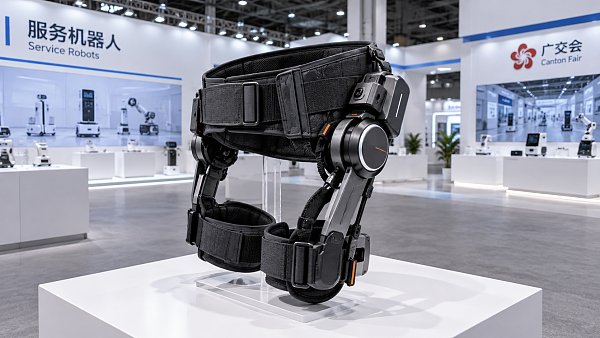
 Taixi Intelligent Exoskeleton Robot Showcased at the 140th Canton FairExplore Taixi Intelligent’s Yinyue X1 exoskeleton, reportedly showcased at the 140th Canton Fair. Discover its features and key compliance checks for overseas buyers.
 Robotic Rehabilitation Devices: How to Evaluate Systems for Gait TrainingCompare robotic rehabilitative medical devices for gait training. Discover how to assess patient fit, safety, clinical evidence, and costs to choose the right system for your program.
 UK Confirms Indefinite Recognition of CE-Marked Medical DevicesCE-marked medical devices gain indefinite recognition in Great Britain. Discover what this means for UKCA requirements, compliance planning and long-term supply continuity.
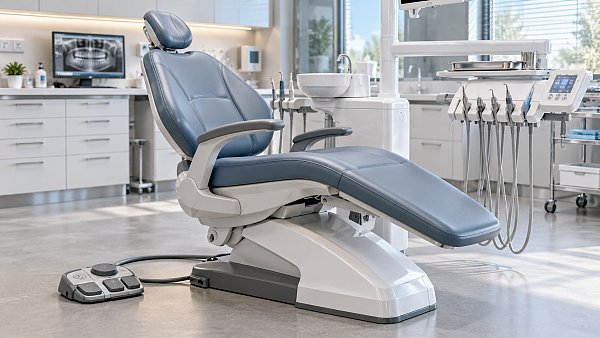
 Electric Dental Chairs: How to Assess Load Capacity, Positioning, and SafetyChoosing electric dental chair equipment? Learn how to verify load capacity, assess positioning, and check safety controls to make a confident, evidence-based purchase.
 Runyes Opens New Ningbo Plant at Global Partner SummitRunyes opens a new Ningbo plant at its 2026 Global Partner Summit. Explore what the expansion could mean for digital dental equipment, global partners, and procurement planning.
 Medical Think Tank Research for Procurement: Evidence and Bias ChecksMedical think tank procurement research: learn to verify evidence, spot bias, and assess lifecycle costs so you can turn insights into defensible hospital equipment decisions.
 Femtosecond Laser Docking: How to Troubleshoot Repeated Suction LossFemtosecond laser systems with docking: troubleshoot repeated suction loss, identify seal and vacuum issues, and explore key safety checks before another attempt. Read the guide.
 Sterilization Standards: What Documentation Do Hospitals Need for Audits?Strengthen sterilization compliance standards documentation with essential audit records, monitoring evidence, and traceability guidance. Discover how to prepare your hospital for audits.
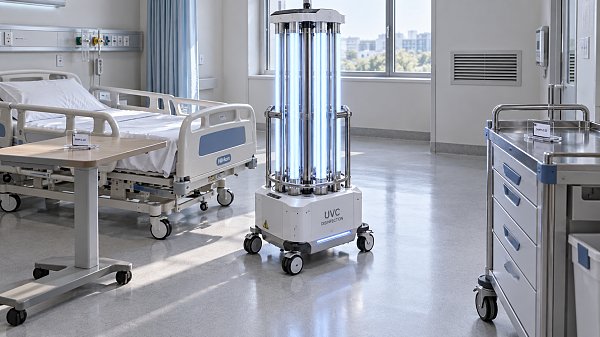
 Hospital Disinfection System Manufacturers: Efficacy Evidence Buyers Should RequestChoosing a hospital disinfection systems manufacturer? Discover the efficacy reports, safety records, and site trials to request to verify claims and buy with confidence.
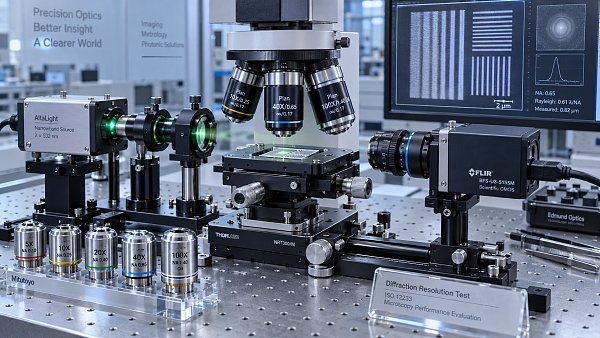
 Optical Diffraction Limits Explained: How Wavelength and NA Set ResolutionOptical diffraction limits explained: Learn how wavelength and NA shape resolution, compare optical specifications confidently, and spot misleading claims before choosing imaging equipment.
 Dialysis Center Equipment Checklist: What to Buy Before OpeningExplore end stage renal disease equipment for dialysis centers with an opening checklist for machines, water systems, and supplies. Plan smarter purchases and avoid costly startup delays.
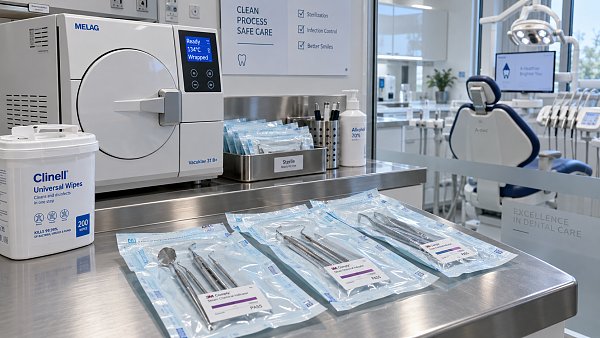
 Dental Clinic Infection Control: Daily Checks for Instruments and SurfacesExplore infection control solutions for dental clinics with practical daily checks for instruments, sterilization, and surfaces. Learn how to spot failures and strengthen patient safety.
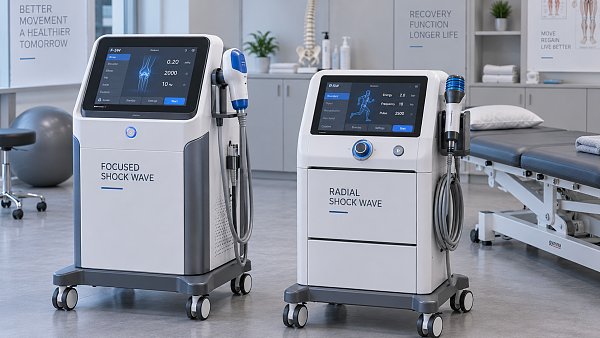
 Focused vs. Radial Shockwave Equipment: Clinical Uses and Selection CriteriaExplore this therapeutic equipment comparison of focused vs. radial shockwave systems. Compare clinical uses, targeting, evidence, and costs to choose the right fit for your clinic.
 What Is Driving Demand for Elderly Care Equipment in Home and Facility Settings?Elderly care equipment demand is rising as home care, staff shortages, chronic disease, and safety needs reshape buying decisions. Discover the trends driving smarter care.
 How to Evaluate a Dental Equipment Supplier Before Equipping a New ClinicDental equipment supplier evaluation made simple: compare workflow fit, installation, infection control, digital integration, service support, and total ownership costs before opening your clinic.









Global Trade Insights & Industry
Our mission is to empower global exporters and importers with data-driven insights that foster strategic growth.
Search News
Popular Tags
Industry Overview
The global commercial kitchen equipment market is projected to reach $112 billion by 2027. Driven by urbanization, the rise of e-commerce food delivery, and strict hygiene regulations.