 Get Insights


New China MDR Export Certificate Rules Take Effect May 1, 2026
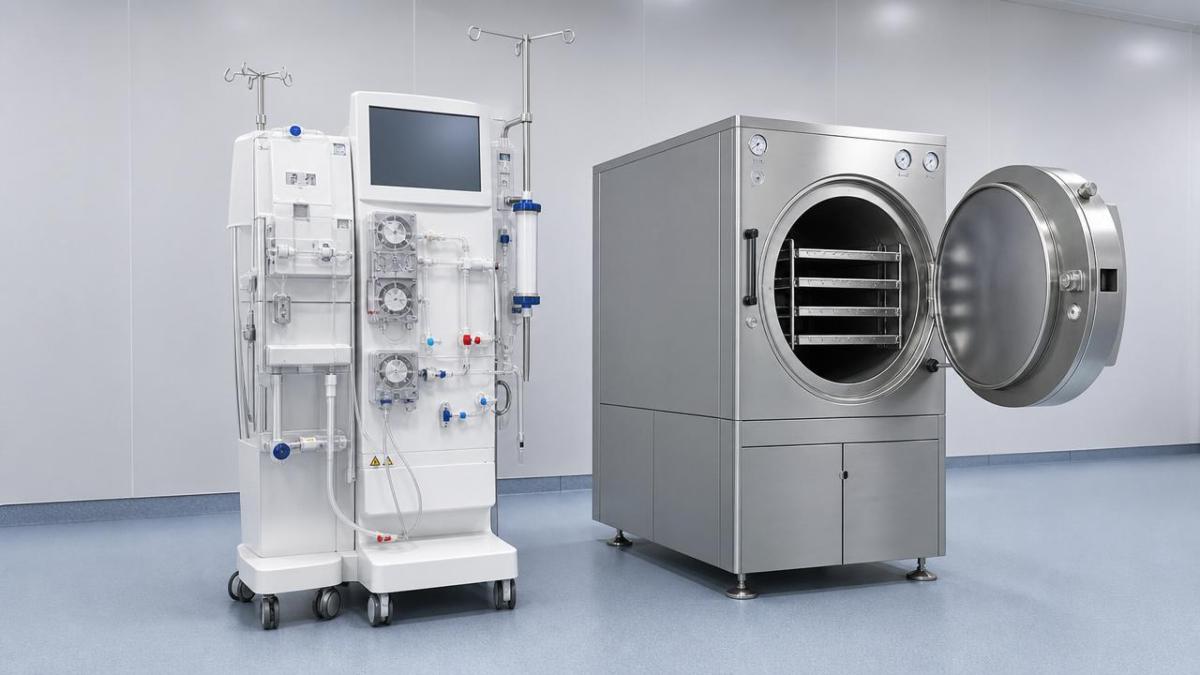
China’s National Medical Products Administration (NMPA) has implemented revised Regulations on the Management of Export Sales Certificates for Medical Devices effective May 1, 2026. The update allows actual manufacturers — including those producing unregistered or unfiled devices for export only, such as ODM hemodiafiltration machines and vacuum autoclaves — to directly apply for an Export Sales Certificate (II), provided they meet Good Manufacturing Practice (GMP) requirements. This change is particularly relevant for medical device exporters, contract manufacturers, and international procurement entities operating in regulated global markets.
Event Overview
The NMPA’s revised Regulations on the Management of Export Sales Certificates for Medical Devices entered into force on May 1, 2026. As officially published, the regulation explicitly permits the actual manufacturing entity — rather than a China-based registrant or marketing authorization holder — to apply for an Export Sales Certificate (II) for devices not registered or filed in China. Eligibility requires compliance with China’s GMP standards for medical devices. No additional implementation guidance or transitional provisions beyond the effective date have been publicly released.
Industries Affected
Contract and ODM Manufacturing Enterprises
These enterprises are directly impacted because the rule now formally recognizes their role as certificate applicants for export-only products. Previously, such applications often required coordination with a China-based registrant — a bottleneck for pure-export ODM arrangements. The change reduces administrative dependency and clarifies eligibility criteria tied to GMP compliance, not registration status.
Export-Only Trading Companies
Trading companies without domestic registration portfolios may benefit indirectly: streamlined access to valid Export Sales Certificates (II) from their manufacturing partners improves documentation reliability for overseas customs and regulatory submissions. However, they remain responsible for verifying that their suppliers hold current GMP certification and maintain accurate production records supporting the certificate application.
International Procurement & Distributor Entities
Buyers sourcing devices like hemodiafiltration systems or sterilization equipment from Chinese factories must now assess whether their suppliers’ Export Sales Certificates (II) were issued under this new framework. Certificates issued post–May 1, 2026, do not imply product registration in China — a distinction critical for market entry assessments in jurisdictions requiring evidence of home-country regulatory standing.
Key Considerations and Recommended Actions
Monitor official NMPA guidance on GMP verification procedures
While the regulation states GMP compliance is mandatory, it does not specify how conformity will be assessed during certificate review (e.g., via on-site inspection, self-declaration, or third-party audit reports). Enterprises should track upcoming NMPA notices or provincial bureau announcements clarifying evidentiary expectations.
Verify certificate type and issuance basis for all new orders
Export Sales Certificates (II) issued under the revised rules differ substantively from (I)-type certificates (which require domestic registration). Buyers and logistics providers should confirm the certificate type and its stated legal basis — especially when submitting documentation to regulators in ASEAN, Latin America, or the Middle East, where misclassification may delay clearance.
Distinguish policy intent from operational readiness
Analysis shows the regulation lowers a formal barrier but does not eliminate documentation or quality system requirements. Actual implementation depends on provincial NMPA offices’ capacity to process applications and verify GMP adherence. Enterprises should avoid assuming immediate processing efficiency and instead treat early applications as pilot cases requiring close follow-up.
Update internal SOPs and supplier questionnaires
Procurement and regulatory affairs teams should revise supplier qualification checklists to include explicit confirmation of GMP certification scope (covering the exported device), validity period, and alignment with the new certificate application pathway. Contracts with Chinese manufacturers should reference compliance with the May 2026 regulation where applicable.
Editorial Observation / Industry Perspective
Observably, this revision reflects a pragmatic adjustment to China’s export control framework — prioritizing traceability and quality assurance over domestic market authorization as the sole condition for export documentation. It is better understood as a procedural enabler than a de facto regulatory relaxation: the GMP requirement remains binding, and non-compliance risks certificate revocation or enforcement action. From an industry perspective, the rule signals increasing recognition of China’s role as a global contract manufacturing hub — yet its real-world impact hinges on consistent provincial-level execution and transparency around verification methods. Continued monitoring of certificate issuance patterns and related FAQs from NMPA will be essential over the coming months.
Conclusion: The revised regulation simplifies one layer of export documentation for unregistered devices but shifts responsibility toward robust GMP maintenance and inter-company documentation alignment. It is neither a broad deregulatory shift nor a standalone compliance solution — rather, it represents a targeted recalibration of administrative accountability in China’s medical device export ecosystem. Current interpretation should focus on operational preparedness, not regulatory assumption.
Source: National Medical Products Administration (NMPA) of the People’s Republic of China — Regulations on the Management of Export Sales Certificates for Medical Devices, effective May 1, 2026.
Note: Implementation details, including provincial acceptance criteria and GMP verification protocols, remain subject to ongoing observation and are not yet publicly standardized.
Recommended News
 Medical Compliance Reference: U.S. Infection Control Rules vs. GuidanceUse this medical compliance reference to distinguish U.S. infection control rules from guidance, clarify OSHA, CMS, FDA and CDC roles, and identify gaps before your next audit.
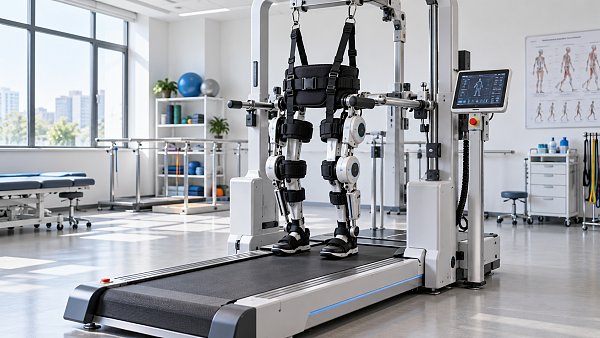
 Choosing Powered Exoskeleton Rehabilitation Devices for Post-Stroke Gait TrainingCompare powered exoskeleton rehabilitation devices for post-stroke gait training. Explore patient fit, safety, clinical evidence, and costs to choose the right system for your service.
 Commerce Ministry: Exoskeleton Sales on Key Platforms Rise 46.4% in Jan–Sep 2026Exoskeleton sales rose 46.4% on key platforms in Jan–Sep 2026, according to supplied Commerce Ministry data. Explore procurement insights and key checks for suppliers and buyers.
 Wearable Exoskeleton Rehabilitation Devices: Key Criteria for Gait TrainingCompare wearable exoskeleton rehabilitation devices for gait training. Discover key criteria for patient fit, safety, assistance, and clinical evidence to guide smarter selection.
 3D Intraoral Scans Show High Specificity for Caries Around Restorations3D intraoral scans show high specificity for caries around restorations, but sensitivity varies. Explore what these findings mean for secondary caries assessment.
 Specialty Medical Equipment Specifications: Performance and Compatibility ChecksEvaluate specialty medical equipment specifications with practical performance and compatibility checks. Discover how to avoid costly mismatches and make confident hospital purchasing decisions.
 Taixi Intelligent Exoskeleton Robot Showcased at the 140th Canton FairExplore Taixi Intelligent’s Yinyue X1 exoskeleton, reportedly showcased at the 140th Canton Fair. Discover its features and key compliance checks for overseas buyers.
 Robotic Rehabilitation Devices: How to Evaluate Systems for Gait TrainingCompare robotic rehabilitative medical devices for gait training. Discover how to assess patient fit, safety, clinical evidence, and costs to choose the right system for your program.
 UK Confirms Indefinite Recognition of CE-Marked Medical DevicesCE-marked medical devices gain indefinite recognition in Great Britain. Discover what this means for UKCA requirements, compliance planning and long-term supply continuity.
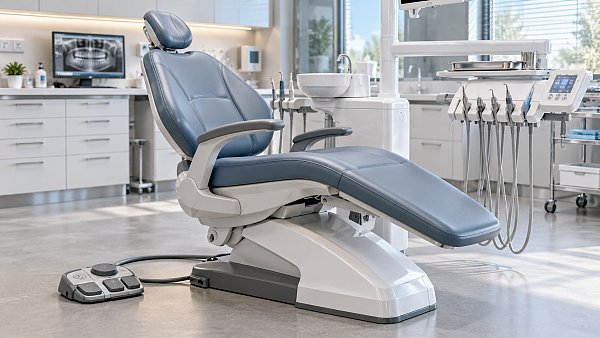
 Electric Dental Chairs: How to Assess Load Capacity, Positioning, and SafetyChoosing electric dental chair equipment? Learn how to verify load capacity, assess positioning, and check safety controls to make a confident, evidence-based purchase.
 Runyes Opens New Ningbo Plant at Global Partner SummitRunyes opens a new Ningbo plant at its 2026 Global Partner Summit. Explore what the expansion could mean for digital dental equipment, global partners, and procurement planning.
 Medical Think Tank Research for Procurement: Evidence and Bias ChecksMedical think tank procurement research: learn to verify evidence, spot bias, and assess lifecycle costs so you can turn insights into defensible hospital equipment decisions.
 Femtosecond Laser Docking: How to Troubleshoot Repeated Suction LossFemtosecond laser systems with docking: troubleshoot repeated suction loss, identify seal and vacuum issues, and explore key safety checks before another attempt. Read the guide.
 Sterilization Standards: What Documentation Do Hospitals Need for Audits?Strengthen sterilization compliance standards documentation with essential audit records, monitoring evidence, and traceability guidance. Discover how to prepare your hospital for audits.
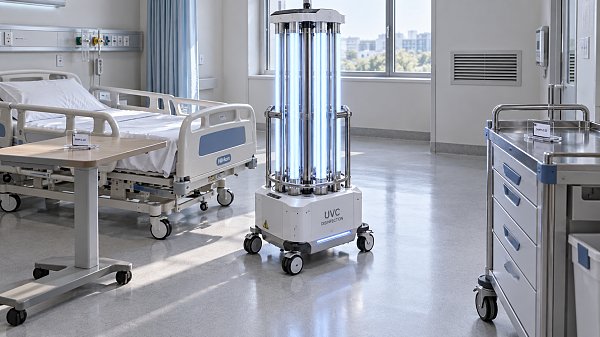
 Hospital Disinfection System Manufacturers: Efficacy Evidence Buyers Should RequestChoosing a hospital disinfection systems manufacturer? Discover the efficacy reports, safety records, and site trials to request to verify claims and buy with confidence.
 Optical Diffraction Limits Explained: How Wavelength and NA Set ResolutionOptical diffraction limits explained: Learn how wavelength and NA shape resolution, compare optical specifications confidently, and spot misleading claims before choosing imaging equipment.
 Dialysis Center Equipment Checklist: What to Buy Before OpeningExplore end stage renal disease equipment for dialysis centers with an opening checklist for machines, water systems, and supplies. Plan smarter purchases and avoid costly startup delays.
 Dental Clinic Infection Control: Daily Checks for Instruments and SurfacesExplore infection control solutions for dental clinics with practical daily checks for instruments, sterilization, and surfaces. Learn how to spot failures and strengthen patient safety.
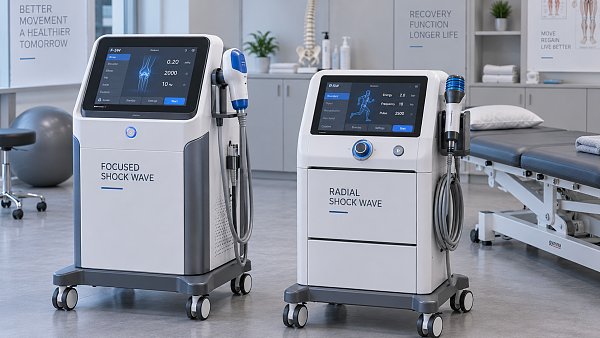
 Focused vs. Radial Shockwave Equipment: Clinical Uses and Selection CriteriaExplore this therapeutic equipment comparison of focused vs. radial shockwave systems. Compare clinical uses, targeting, evidence, and costs to choose the right fit for your clinic.
 What Is Driving Demand for Elderly Care Equipment in Home and Facility Settings?Elderly care equipment demand is rising as home care, staff shortages, chronic disease, and safety needs reshape buying decisions. Discover the trends driving smarter care.
 How to Evaluate a Dental Equipment Supplier Before Equipping a New ClinicDental equipment supplier evaluation made simple: compare workflow fit, installation, infection control, digital integration, service support, and total ownership costs before opening your clinic.













Global Trade Insights & Industry
Our mission is to empower global exporters and importers with data-driven insights that foster strategic growth.
Search News
Popular Tags
Industry Overview
The global commercial kitchen equipment market is projected to reach $112 billion by 2027. Driven by urbanization, the rise of e-commerce food delivery, and strict hygiene regulations.