 Get Insights


ECHA Adds Nitrosamine Checks for Vacuum Autoclaves
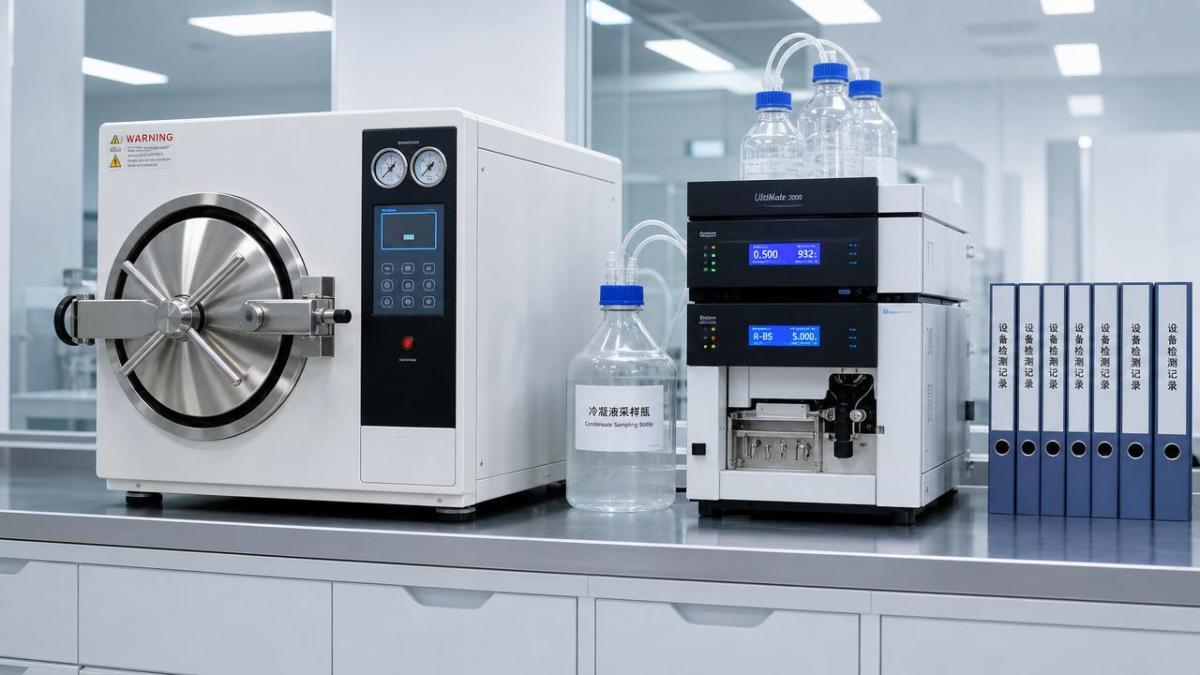
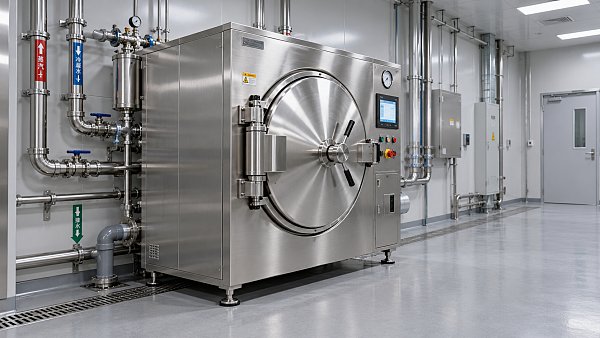
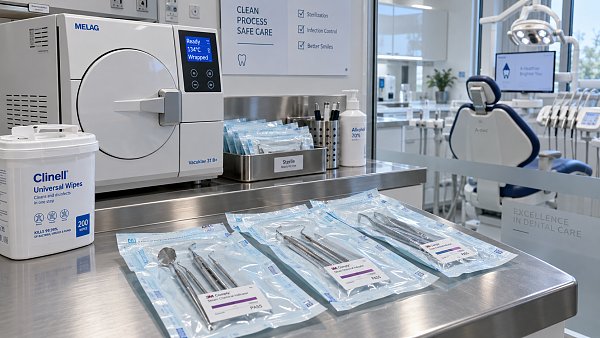
On May 30, 2026, the European Chemicals Agency added N-nitrosamines to the priority monitoring list for medical device sterilization by-products, requiring vacuum autoclaves circulating in the EU market to undergo quantitative testing of N-nitrosamines in steam condensate. The update is particularly relevant to vacuum autoclave manufacturers, EU importers, channel distributors, compliance teams, and testing documentation service providers because it directly affects technical files, safety data sheets, existing inventory, and new orders.
Event Overview
According to the provided information, on May 30, 2026, the European Chemicals Agency formally included N-nitrosamine substances in the priority monitoring list for by-products associated with medical device sterilization.
The requirement applies to vacuum autoclaves circulating in the EU market. Relevant products must conduct quantitative testing of N-nitrosamines in steam condensate, including substances such as NDMA and NDEA, and disclose the results in technical documentation and safety data sheets.
The new requirement took effect immediately. Importers are required to complete compliance upgrades for existing inventory and new orders by July 31, 2026.
Which Segments Are Affected
Vacuum Autoclave Manufacturers
Manufacturers supplying vacuum autoclaves to the EU market are directly affected because the new requirement links product circulation with condensate testing and documentation disclosure. The impact is mainly reflected in the need to verify whether steam condensate testing for N-nitrosamines has been completed and whether technical documentation can support market access requirements.
From an industry perspective, this may increase the importance of compliance review before shipment, especially for product models already intended for EU sales. Manufacturers may need to align internal testing records, technical files, and safety data sheet content with the newly required disclosure items.
EU Importers and Direct Trade Companies
Importers face a clear time requirement because the provided information states that existing inventory and new orders must complete compliance upgrades by July 31, 2026. This affects import planning, order confirmation, customs-related preparation, and communication with upstream suppliers.
Analysis shows that the short interval between the effective date and the compliance deadline makes inventory status especially important. Importers may need to distinguish between products already in stock, products in transit, and new purchase orders to determine which items require updated testing results and documentation before continued market circulation.
Channel Distributors and Circulation Businesses
Distributors and channel operators may be affected because the requirement applies to vacuum autoclaves circulating in the EU market, not only to newly manufactured products. The main impact is likely to appear in product documentation checks, customer inquiries, and inventory compliance verification.
Observably, channel businesses should pay attention to whether products currently offered to downstream buyers have complete technical files and safety data sheets that disclose N-nitrosamine testing results. The compliance status of inventory may become a practical issue in sales communication and after-sales documentation requests.
Testing, Documentation, and Supply Chain Service Providers
Service providers involved in testing support, technical file preparation, safety data sheet updates, and compliance coordination are also affected. The requirement specifically mentions quantitative testing of N-nitrosamines such as NDMA and NDEA in steam condensate, as well as disclosure in technical documents and safety data sheets.
From an industry perspective, the immediate focus for these service providers is not broad regulatory interpretation but the practical alignment of testing outputs with documentation requirements. Reports, technical files, and safety data sheets need to be consistent enough to support importer and manufacturer compliance upgrades.
Key Points to Watch and Practical Responses
Confirm Whether Products Fall Within the Covered Scope
Companies should first confirm whether their products are vacuum autoclaves circulating in the EU market. This is the central scope described in the provided information. Products intended for other markets or different equipment categories should not be assumed to be covered without further confirmation.
More appropriately understood as a practical first step, scope confirmation helps companies avoid both under-response and unnecessary over-extension. The key is to match product type, market destination, and current circulation status with the requirement as stated.
Review Steam Condensate Testing Arrangements
Relevant companies should check whether quantitative testing of N-nitrosamines in steam condensate has been arranged or completed. The substances mentioned in the information include NDMA and NDEA, and the requirement concerns quantitative results rather than general statements.
Analysis shows that testing arrangements should be connected to documentation needs from the beginning. If test results are required for technical files and safety data sheets, the format, traceability, and consistency of the test information may affect the efficiency of compliance upgrades.
Update Technical Documentation and Safety Data Sheets
The regulation described in the provided information requires disclosure of results in technical documentation and safety data sheets. Therefore, companies should not treat testing as a standalone task. Documentation updates are part of the compliance action.
Current practical attention should be placed on whether technical files and safety data sheets reflect the same testing results, product identification, and market circulation information. Inconsistent documentation may create avoidable communication issues between manufacturers, importers, and distributors.
Prioritize Existing Inventory and New Orders Before the Deadline
Importers must complete compliance upgrades for existing inventory and new orders by July 31, 2026. Businesses should classify affected products by inventory status, order status, and EU market destination, then decide which items require immediate documentation review or testing coordination.
What is currently more worth noting is the distinction between policy signal and business execution. The requirement has taken effect, while the compliance upgrade deadline creates a near-term operational window for importers to complete product-level checks.
Editorial View / Industry Observation
From an industry perspective, this update is more than a routine documentation change because it directly connects a sterilization equipment category with condensate testing for N-nitrosamines and with disclosure obligations in technical files and safety data sheets.
Analysis shows that the event should be understood as an active compliance requirement rather than only a future policy signal, because the new rule is described as effective immediately and includes a specific deadline for importers. At the same time, companies still need to continue watching for subsequent official wording, implementation details, or clarifications that may affect practical execution.
Observably, the most immediate industry impact lies in documentation readiness, inventory sorting, and importer-supplier coordination. Businesses that rely on EU market circulation for vacuum autoclaves need to pay attention to whether testing data and disclosure materials can support continued sales and order fulfillment.
Conclusion
The ECHA update on May 30, 2026 gives N-nitrosamine monitoring a direct role in the EU compliance management of vacuum autoclaves. Its significance lies in the combination of quantitative testing, technical documentation disclosure, safety data sheet updates, and a defined compliance deadline for importers.
More appropriately understood, this development is both a current compliance requirement and a signal that sterilization by-products are receiving closer regulatory attention in the medical device equipment supply chain. Companies should respond with product-scope confirmation, condensate testing review, documentation updates, and inventory-based compliance planning.
Information Source Statement
Main source: European Chemicals Agency regulatory update information provided in the event brief dated May 30, 2026.
Items requiring continued observation: subsequent official explanations, implementation guidance, documentation expectations, and any further clarification affecting vacuum autoclaves circulating in the EU market.
Recommended News
 Medical Compliance Reference: U.S. Infection Control Rules vs. GuidanceUse this medical compliance reference to distinguish U.S. infection control rules from guidance, clarify OSHA, CMS, FDA and CDC roles, and identify gaps before your next audit.
 Choosing Powered Exoskeleton Rehabilitation Devices for Post-Stroke Gait TrainingCompare powered exoskeleton rehabilitation devices for post-stroke gait training. Explore patient fit, safety, clinical evidence, and costs to choose the right system for your service.
 Commerce Ministry: Exoskeleton Sales on Key Platforms Rise 46.4% in Jan–Sep 2026Exoskeleton sales rose 46.4% on key platforms in Jan–Sep 2026, according to supplied Commerce Ministry data. Explore procurement insights and key checks for suppliers and buyers.
 Wearable Exoskeleton Rehabilitation Devices: Key Criteria for Gait TrainingCompare wearable exoskeleton rehabilitation devices for gait training. Discover key criteria for patient fit, safety, assistance, and clinical evidence to guide smarter selection.
 3D Intraoral Scans Show High Specificity for Caries Around Restorations3D intraoral scans show high specificity for caries around restorations, but sensitivity varies. Explore what these findings mean for secondary caries assessment.
 Specialty Medical Equipment Specifications: Performance and Compatibility ChecksEvaluate specialty medical equipment specifications with practical performance and compatibility checks. Discover how to avoid costly mismatches and make confident hospital purchasing decisions.
 Taixi Intelligent Exoskeleton Robot Showcased at the 140th Canton FairExplore Taixi Intelligent’s Yinyue X1 exoskeleton, reportedly showcased at the 140th Canton Fair. Discover its features and key compliance checks for overseas buyers.
 Robotic Rehabilitation Devices: How to Evaluate Systems for Gait TrainingCompare robotic rehabilitative medical devices for gait training. Discover how to assess patient fit, safety, clinical evidence, and costs to choose the right system for your program.
 UK Confirms Indefinite Recognition of CE-Marked Medical DevicesCE-marked medical devices gain indefinite recognition in Great Britain. Discover what this means for UKCA requirements, compliance planning and long-term supply continuity.
 Electric Dental Chairs: How to Assess Load Capacity, Positioning, and SafetyChoosing electric dental chair equipment? Learn how to verify load capacity, assess positioning, and check safety controls to make a confident, evidence-based purchase.
 Runyes Opens New Ningbo Plant at Global Partner SummitRunyes opens a new Ningbo plant at its 2026 Global Partner Summit. Explore what the expansion could mean for digital dental equipment, global partners, and procurement planning.
 Medical Think Tank Research for Procurement: Evidence and Bias ChecksMedical think tank procurement research: learn to verify evidence, spot bias, and assess lifecycle costs so you can turn insights into defensible hospital equipment decisions.
 Femtosecond Laser Docking: How to Troubleshoot Repeated Suction LossFemtosecond laser systems with docking: troubleshoot repeated suction loss, identify seal and vacuum issues, and explore key safety checks before another attempt. Read the guide.
 Sterilization Standards: What Documentation Do Hospitals Need for Audits?Strengthen sterilization compliance standards documentation with essential audit records, monitoring evidence, and traceability guidance. Discover how to prepare your hospital for audits.
 Hospital Disinfection System Manufacturers: Efficacy Evidence Buyers Should RequestChoosing a hospital disinfection systems manufacturer? Discover the efficacy reports, safety records, and site trials to request to verify claims and buy with confidence.
 Optical Diffraction Limits Explained: How Wavelength and NA Set ResolutionOptical diffraction limits explained: Learn how wavelength and NA shape resolution, compare optical specifications confidently, and spot misleading claims before choosing imaging equipment.
 Dialysis Center Equipment Checklist: What to Buy Before OpeningExplore end stage renal disease equipment for dialysis centers with an opening checklist for machines, water systems, and supplies. Plan smarter purchases and avoid costly startup delays.
 Dental Clinic Infection Control: Daily Checks for Instruments and SurfacesExplore infection control solutions for dental clinics with practical daily checks for instruments, sterilization, and surfaces. Learn how to spot failures and strengthen patient safety.
 Focused vs. Radial Shockwave Equipment: Clinical Uses and Selection CriteriaExplore this therapeutic equipment comparison of focused vs. radial shockwave systems. Compare clinical uses, targeting, evidence, and costs to choose the right fit for your clinic.
 What Is Driving Demand for Elderly Care Equipment in Home and Facility Settings?Elderly care equipment demand is rising as home care, staff shortages, chronic disease, and safety needs reshape buying decisions. Discover the trends driving smarter care.
 How to Evaluate a Dental Equipment Supplier Before Equipping a New ClinicDental equipment supplier evaluation made simple: compare workflow fit, installation, infection control, digital integration, service support, and total ownership costs before opening your clinic.


Global Trade Insights & Industry
Our mission is to empower global exporters and importers with data-driven insights that foster strategic growth.
Search News
Popular Tags
Industry Overview
The global commercial kitchen equipment market is projected to reach $112 billion by 2027. Driven by urbanization, the rise of e-commerce food delivery, and strict hygiene regulations.