 Get Insights


EU Forced Labour Regulation Enters Force, Affecting CSSD Device Exports
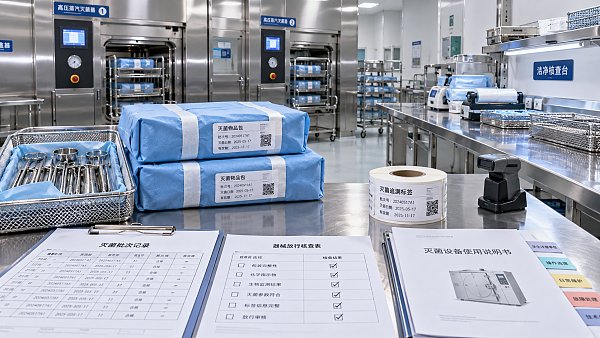
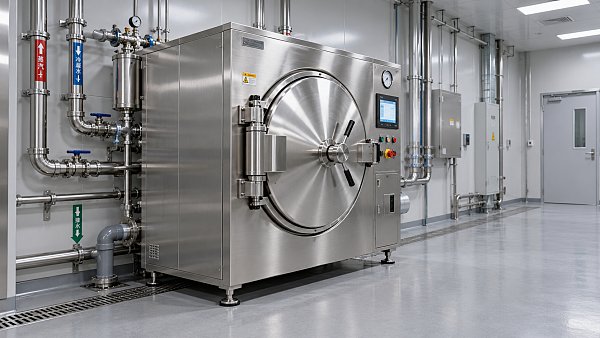
On 29 May 2026, the EU Forced Labour Regulation (Regulation (EU) 2024/2465) entered into force, mandating full supply chain due diligence reports for all medical sterilisation equipment—including hydrogen peroxide plasma sterilisers, vacuum autoclaves, and washer-disinfectors—exported to the EU. This development directly impacts manufacturers, exporters, and suppliers in the Central Sterile Supply Department (CSSD) equipment sector, particularly those based in China, where export compliance timelines have now expired.
Event Overview
The EU Forced Labour Regulation (Regulation (EU) 2024/2465) became legally binding on 29 May 2026. Under its provisions, any enterprise exporting CSSD devices to the EU must submit verifiable, end-to-end due diligence documentation covering raw material sourcing, component manufacturing, final assembly, and logistics. EU national customs authorities are empowered to conduct mandatory reviews; shipments lacking compliant documentation will be denied customs clearance.
Industries Affected
Direct export enterprises: Companies shipping CSSD devices into the EU market face immediate customs scrutiny. Non-compliant submissions result in shipment rejection—not delays, but outright refusal of entry.
Raw material procurement firms: Suppliers of metals, polymers, electronics, or chemical agents used in CSSD devices must now provide traceable origin records and labour practice summaries acceptable under EU standards.
Component manufacturers: Firms producing critical subsystems—such as plasma generators, vacuum pumps, or control modules—must document their own upstream sourcing and workforce conditions, as their data feeds into the exporter’s consolidated report.
Distribution and logistics service providers: While not primary reporting entities, these actors must retain auditable transport logs, storage certifications, and handling records that align with the exporter’s due diligence narrative.
Supply chain verification service providers: Third-party auditors, ESG certification bodies, and due diligence platform operators see increased demand for EU-aligned assessments—but only if their methodologies meet the Regulation’s evidentiary thresholds.
Key Focus Areas and Immediate Actions for Stakeholders
Verify and formalise supplier declarations now
Exporters must compile a validated, tier-1–tier-3 supplier list with documented labour practice statements. These are no longer internal checklists—they are legally referenced attachments to customs filings.
Align ESG audit summaries with Regulation Annex I requirements
ESG reports provided to EU customers must explicitly address forced labour risk indicators outlined in Annex I of Regulation (EU) 2024/2465—including recruitment fees, identity retention, movement restrictions, and wage withholding—not generic sustainability metrics.
Prepare for customs-led document sampling, not just self-declaration
The Regulation grants EU customs authorities authority to request granular evidence—including invoices, subcontractor agreements, and worker interview summaries—on short notice. Pre-assembled evidence dossiers (not just PDF summaries) are operationally necessary.
Distinguish between EU-wide enforcement and national implementation pace
While the Regulation is directly applicable across all Member States, initial enforcement intensity may vary. However, reliance on ‘leniency periods’ is not supported by the text: the legal obligation commenced on 29 May 2026 without transitional allowances for CSSD device categories.
Editorial Observation / Industry Perspective
Observably, this is not a warning signal—it is an operational threshold now in effect. Analysis shows the Regulation treats CSSD devices as high-risk goods under its scope, reflecting both their medical-critical function and documented complexity in global component sourcing. From an industry perspective, the requirement for ‘full chain’ documentation—rather than Tier-1-only reporting—marks a structural shift from reputational due diligence to enforceable legal accountability. Current enforcement patterns suggest customs authorities will prioritise high-volume consignments and repeat exporters first, making early compliance a de facto prerequisite for continued market access—not merely a future-readiness measure.

In summary, the EU Forced Labour Regulation’s entry into force represents a binding compliance milestone—not a policy proposal—for CSSD equipment exporters. It shifts responsibility from voluntary ESG reporting to legally mandated, auditable supply chain transparency. The Regulation is best understood not as a new risk, but as the formal activation of an existing regulatory framework whose evidentiary and procedural expectations are now enforceable in real time.
Source: Official Journal of the European Union, Regulation (EU) 2024/2465; EU Commission Press Release IP/24/3721 (2024); Implementation Guidance Note EU-CSSD-2026/01 (published 28 May 2026).
Noted for ongoing observation: National customs guidance documents from Germany, Netherlands, and Italy—expected to issue detailed procedural instructions by Q3 2026.
Recommended News
 Medical Compliance Reference: U.S. Infection Control Rules vs. GuidanceUse this medical compliance reference to distinguish U.S. infection control rules from guidance, clarify OSHA, CMS, FDA and CDC roles, and identify gaps before your next audit.
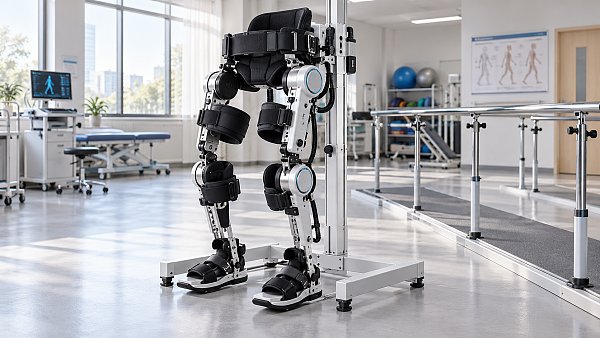
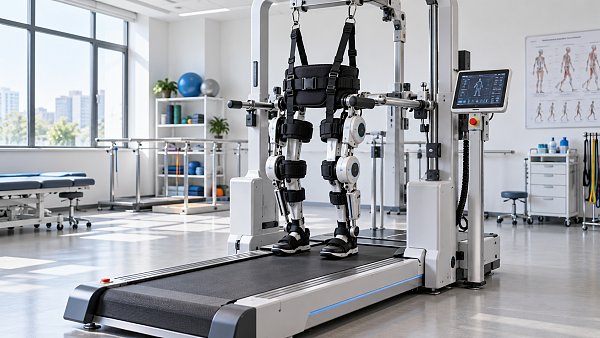
 Choosing Powered Exoskeleton Rehabilitation Devices for Post-Stroke Gait TrainingCompare powered exoskeleton rehabilitation devices for post-stroke gait training. Explore patient fit, safety, clinical evidence, and costs to choose the right system for your service.
 Commerce Ministry: Exoskeleton Sales on Key Platforms Rise 46.4% in Jan–Sep 2026Exoskeleton sales rose 46.4% on key platforms in Jan–Sep 2026, according to supplied Commerce Ministry data. Explore procurement insights and key checks for suppliers and buyers.
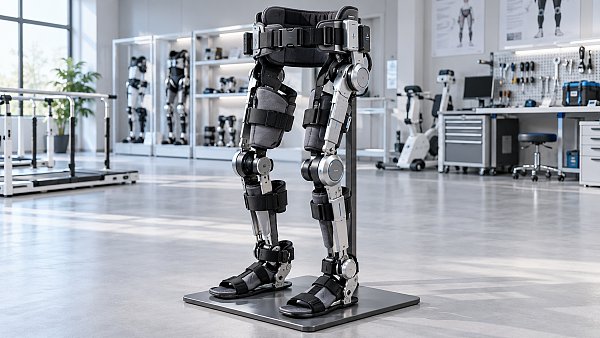
 Wearable Exoskeleton Rehabilitation Devices: Key Criteria for Gait TrainingCompare wearable exoskeleton rehabilitation devices for gait training. Discover key criteria for patient fit, safety, assistance, and clinical evidence to guide smarter selection.
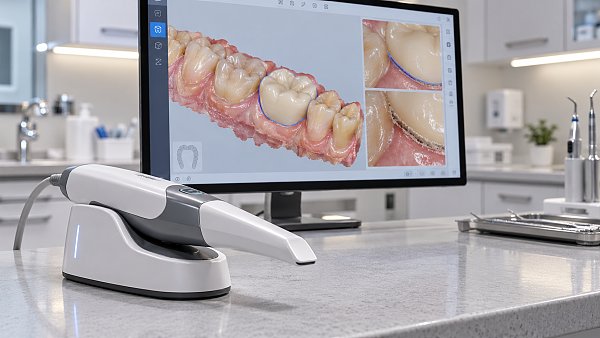
 3D Intraoral Scans Show High Specificity for Caries Around Restorations3D intraoral scans show high specificity for caries around restorations, but sensitivity varies. Explore what these findings mean for secondary caries assessment.
 Specialty Medical Equipment Specifications: Performance and Compatibility ChecksEvaluate specialty medical equipment specifications with practical performance and compatibility checks. Discover how to avoid costly mismatches and make confident hospital purchasing decisions.
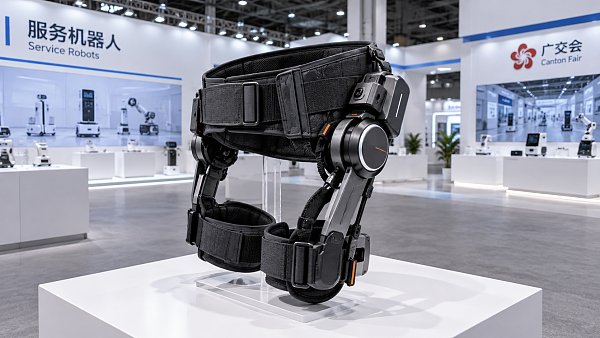
 Taixi Intelligent Exoskeleton Robot Showcased at the 140th Canton FairExplore Taixi Intelligent’s Yinyue X1 exoskeleton, reportedly showcased at the 140th Canton Fair. Discover its features and key compliance checks for overseas buyers.
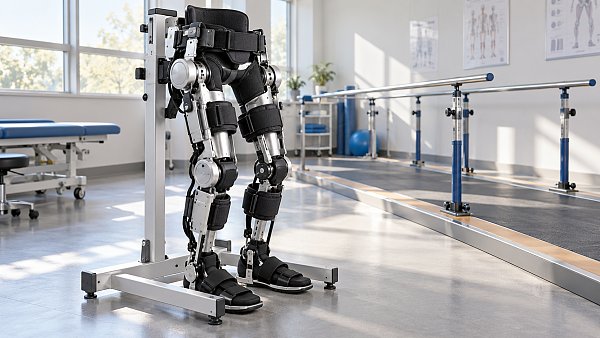
 Robotic Rehabilitation Devices: How to Evaluate Systems for Gait TrainingCompare robotic rehabilitative medical devices for gait training. Discover how to assess patient fit, safety, clinical evidence, and costs to choose the right system for your program.
 UK Confirms Indefinite Recognition of CE-Marked Medical DevicesCE-marked medical devices gain indefinite recognition in Great Britain. Discover what this means for UKCA requirements, compliance planning and long-term supply continuity.
 Electric Dental Chairs: How to Assess Load Capacity, Positioning, and SafetyChoosing electric dental chair equipment? Learn how to verify load capacity, assess positioning, and check safety controls to make a confident, evidence-based purchase.
 Runyes Opens New Ningbo Plant at Global Partner SummitRunyes opens a new Ningbo plant at its 2026 Global Partner Summit. Explore what the expansion could mean for digital dental equipment, global partners, and procurement planning.
 Medical Think Tank Research for Procurement: Evidence and Bias ChecksMedical think tank procurement research: learn to verify evidence, spot bias, and assess lifecycle costs so you can turn insights into defensible hospital equipment decisions.
 Femtosecond Laser Docking: How to Troubleshoot Repeated Suction LossFemtosecond laser systems with docking: troubleshoot repeated suction loss, identify seal and vacuum issues, and explore key safety checks before another attempt. Read the guide.
 Sterilization Standards: What Documentation Do Hospitals Need for Audits?Strengthen sterilization compliance standards documentation with essential audit records, monitoring evidence, and traceability guidance. Discover how to prepare your hospital for audits.
 Hospital Disinfection System Manufacturers: Efficacy Evidence Buyers Should RequestChoosing a hospital disinfection systems manufacturer? Discover the efficacy reports, safety records, and site trials to request to verify claims and buy with confidence.
 Optical Diffraction Limits Explained: How Wavelength and NA Set ResolutionOptical diffraction limits explained: Learn how wavelength and NA shape resolution, compare optical specifications confidently, and spot misleading claims before choosing imaging equipment.
 Dialysis Center Equipment Checklist: What to Buy Before OpeningExplore end stage renal disease equipment for dialysis centers with an opening checklist for machines, water systems, and supplies. Plan smarter purchases and avoid costly startup delays.
 Dental Clinic Infection Control: Daily Checks for Instruments and SurfacesExplore infection control solutions for dental clinics with practical daily checks for instruments, sterilization, and surfaces. Learn how to spot failures and strengthen patient safety.
 Focused vs. Radial Shockwave Equipment: Clinical Uses and Selection CriteriaExplore this therapeutic equipment comparison of focused vs. radial shockwave systems. Compare clinical uses, targeting, evidence, and costs to choose the right fit for your clinic.
 What Is Driving Demand for Elderly Care Equipment in Home and Facility Settings?Elderly care equipment demand is rising as home care, staff shortages, chronic disease, and safety needs reshape buying decisions. Discover the trends driving smarter care.
 How to Evaluate a Dental Equipment Supplier Before Equipping a New ClinicDental equipment supplier evaluation made simple: compare workflow fit, installation, infection control, digital integration, service support, and total ownership costs before opening your clinic.







Global Trade Insights & Industry
Our mission is to empower global exporters and importers with data-driven insights that foster strategic growth.
Search News
Popular Tags
Industry Overview
The global commercial kitchen equipment market is projected to reach $112 billion by 2027. Driven by urbanization, the rise of e-commerce food delivery, and strict hygiene regulations.