 Get Insights


ECHA Adds N-Nitrosamines in Autoclave Condensate to EU Medical Device Oversight
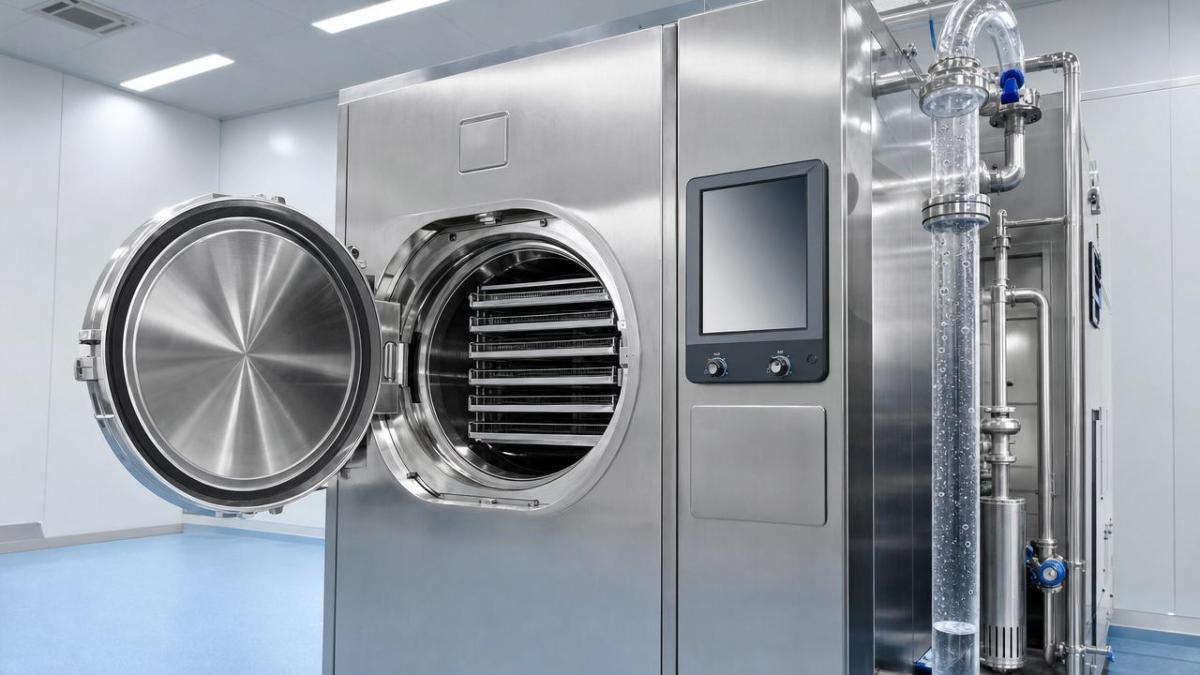
ECHA (European Chemicals Agency) published a draft guidance on May 30, 2026 — Risk Assessment Guidance for By-Products from Medical Device Sterilisation — introducing mandatory monitoring of N-nitrosamines in condensate water from vacuum autoclaves used in medical device sterilisation. This development directly affects manufacturers, exporters, and suppliers of sterilisation equipment and related services targeting the EU market.
Event Overview
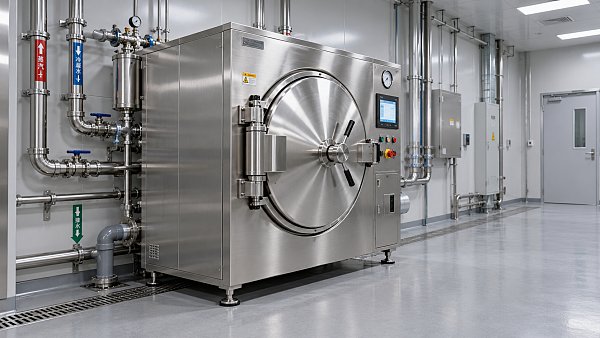
On May 30, 2026, ECHA released the draft Risk Assessment Guidance for By-Products from Medical Device Sterilisation. It marks the first time that N-nitrosamines — potentially formed during vacuum pressure steam sterilisation (vacuum autoclaving) — are formally included in the EU’s regulatory scope for sterilisation by-products. As of Q4 2026, all vacuum autoclaves placed on the EU market must be accompanied by a third-party test report confirming N-nitrosamine levels in generated condensate water at ≤0.1 μg/L.
Industries Affected
Medical Device Sterilisation Equipment Manufacturers
Manufacturers producing vacuum autoclaves for export to the EU must now integrate condensate water testing into product compliance protocols. The requirement applies specifically to devices generating steam condensate during operation — not to standalone sterilisation services or non-vacuum systems.
Exporters and Distributors of Sterilisation Equipment
Companies placing vacuum autoclaves on the EU market under their own name or trademark (including rebranding) bear legal responsibility for conformity. They must verify that each unit meets the condensate N-nitrosamine limit and maintain documentation traceable to accredited third-party laboratories.
Contract Sterilisation Service Providers Using Vacuum Autoclaves
While the guidance targets equipment, not services, providers operating vacuum autoclaves may face downstream contractual or audit requirements from EU-based medical device clients — especially those subject to MDR (Regulation (EU) 2017/745) quality system obligations.
Suppliers of Critical Components (e.g., Steam Generators, Seals, Gasket Materials)
Materials in contact with high-temperature steam — particularly elastomers or recycled polymers — may contribute to N-nitrosamine formation under thermal stress. Component suppliers may receive new material declaration or compatibility validation requests from autoclave OEMs ahead of Q4 2026.
Key Considerations and Immediate Actions for Stakeholders
Monitor final guidance publication and transitional timelines
The document is currently a draft. Stakeholders should track ECHA’s official updates and any subsequent adoption by the European Commission or alignment with existing REACH or MDR frameworks. Final implementation dates, testing methodology specifications (e.g., ISO/IEC 17025-accredited labs), and acceptable analytical limits remain subject to revision.
Identify affected autoclave models and sterilisation configurations
Not all vacuum autoclaves generate condensate in identical volumes or compositions. Companies should map which models — especially those using recirculated steam or specific water treatment setups — are most likely to require condensate sampling and analysis. Pilot testing is advisable before Q4 2026.
Distinguish between regulatory signal and enforceable obligation
This draft guidance does not yet constitute binding law. Its status is advisory pending formal adoption. However, notified bodies and EU competent authorities may begin referencing it during audits — particularly for Class IIb/III device manufacturers relying on in-house or contracted vacuum sterilisation.
Prepare technical documentation and supplier engagement
Manufacturers should initiate internal reviews of sterilisation process descriptions, water quality management procedures, and condensate handling practices. Where third-party component suppliers are involved, early communication about potential material-related N-nitrosamine precursors (e.g., secondary amines, nitrite residues) is recommended.
Editorial Observation / Industry Perspective
Observably, this move reflects ECHA’s broader shift toward regulating process-generated contaminants — not just intentional substances — across regulated sectors. From an industry perspective, the inclusion of N-nitrosamines in autoclave condensate signals growing scrutiny of ‘hidden’ chemical risks in legacy sterilisation infrastructure. Analysis shows this is less a sudden enforcement action and more a forward-looking risk indicator: it highlights how evolving toxicological understanding (e.g., IARC classification of certain N-nitrosamines as Group 1 carcinogens) can reshape compliance expectations for long-established technologies. The draft guidance is best understood not as an immediate compliance deadline, but as an early-stage regulatory signal requiring technical due diligence — especially for companies with active EU market access strategies.
Conclusion
This ECHA draft guidance introduces a novel regulatory focus on N-nitrosamine formation in vacuum autoclave condensate — a previously unmonitored pathway in medical device sterilisation oversight. It does not yet impose legal obligations, but establishes a clear direction for future compliance expectations. Current stakeholders are advised to treat it as a technical preparation milestone rather than a finalized mandate — prioritising process review, targeted testing, and stakeholder coordination over broad-scale operational changes at this stage.
Source Attribution
Main source: European Chemicals Agency (ECHA), Risk Assessment Guidance for By-Products from Medical Device Sterilisation (draft), published May 30, 2026.
Noted for ongoing observation: Final adoption status, integration with MDR Annex I essential requirements, and harmonised testing standards — all remain pending confirmation.
Recommended News
 Medical Compliance Reference: U.S. Infection Control Rules vs. GuidanceUse this medical compliance reference to distinguish U.S. infection control rules from guidance, clarify OSHA, CMS, FDA and CDC roles, and identify gaps before your next audit.
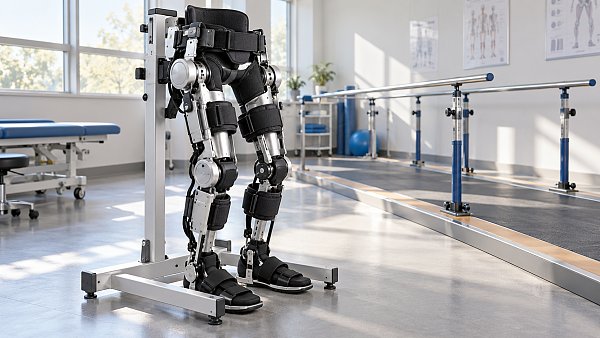
 Choosing Powered Exoskeleton Rehabilitation Devices for Post-Stroke Gait TrainingCompare powered exoskeleton rehabilitation devices for post-stroke gait training. Explore patient fit, safety, clinical evidence, and costs to choose the right system for your service.
 Commerce Ministry: Exoskeleton Sales on Key Platforms Rise 46.4% in Jan–Sep 2026Exoskeleton sales rose 46.4% on key platforms in Jan–Sep 2026, according to supplied Commerce Ministry data. Explore procurement insights and key checks for suppliers and buyers.
 Wearable Exoskeleton Rehabilitation Devices: Key Criteria for Gait TrainingCompare wearable exoskeleton rehabilitation devices for gait training. Discover key criteria for patient fit, safety, assistance, and clinical evidence to guide smarter selection.
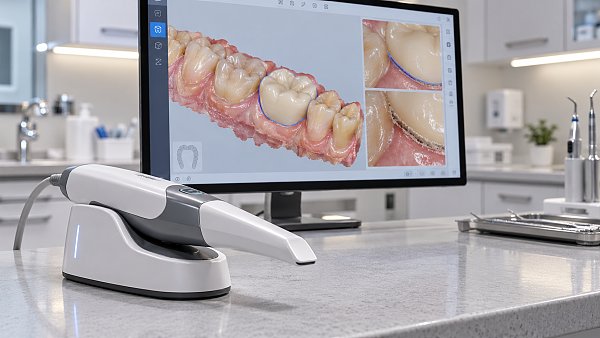
 3D Intraoral Scans Show High Specificity for Caries Around Restorations3D intraoral scans show high specificity for caries around restorations, but sensitivity varies. Explore what these findings mean for secondary caries assessment.
 Specialty Medical Equipment Specifications: Performance and Compatibility ChecksEvaluate specialty medical equipment specifications with practical performance and compatibility checks. Discover how to avoid costly mismatches and make confident hospital purchasing decisions.
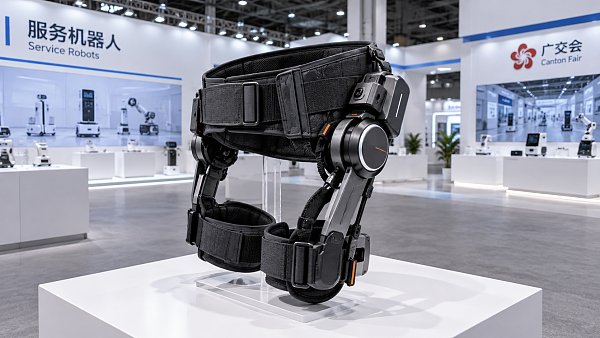
 Taixi Intelligent Exoskeleton Robot Showcased at the 140th Canton FairExplore Taixi Intelligent’s Yinyue X1 exoskeleton, reportedly showcased at the 140th Canton Fair. Discover its features and key compliance checks for overseas buyers.
 Robotic Rehabilitation Devices: How to Evaluate Systems for Gait TrainingCompare robotic rehabilitative medical devices for gait training. Discover how to assess patient fit, safety, clinical evidence, and costs to choose the right system for your program.
 UK Confirms Indefinite Recognition of CE-Marked Medical DevicesCE-marked medical devices gain indefinite recognition in Great Britain. Discover what this means for UKCA requirements, compliance planning and long-term supply continuity.
 Electric Dental Chairs: How to Assess Load Capacity, Positioning, and SafetyChoosing electric dental chair equipment? Learn how to verify load capacity, assess positioning, and check safety controls to make a confident, evidence-based purchase.
 Runyes Opens New Ningbo Plant at Global Partner SummitRunyes opens a new Ningbo plant at its 2026 Global Partner Summit. Explore what the expansion could mean for digital dental equipment, global partners, and procurement planning.
 Medical Think Tank Research for Procurement: Evidence and Bias ChecksMedical think tank procurement research: learn to verify evidence, spot bias, and assess lifecycle costs so you can turn insights into defensible hospital equipment decisions.
 Femtosecond Laser Docking: How to Troubleshoot Repeated Suction LossFemtosecond laser systems with docking: troubleshoot repeated suction loss, identify seal and vacuum issues, and explore key safety checks before another attempt. Read the guide.
 Sterilization Standards: What Documentation Do Hospitals Need for Audits?Strengthen sterilization compliance standards documentation with essential audit records, monitoring evidence, and traceability guidance. Discover how to prepare your hospital for audits.
 Hospital Disinfection System Manufacturers: Efficacy Evidence Buyers Should RequestChoosing a hospital disinfection systems manufacturer? Discover the efficacy reports, safety records, and site trials to request to verify claims and buy with confidence.
 Optical Diffraction Limits Explained: How Wavelength and NA Set ResolutionOptical diffraction limits explained: Learn how wavelength and NA shape resolution, compare optical specifications confidently, and spot misleading claims before choosing imaging equipment.
 Dialysis Center Equipment Checklist: What to Buy Before OpeningExplore end stage renal disease equipment for dialysis centers with an opening checklist for machines, water systems, and supplies. Plan smarter purchases and avoid costly startup delays.
 Dental Clinic Infection Control: Daily Checks for Instruments and SurfacesExplore infection control solutions for dental clinics with practical daily checks for instruments, sterilization, and surfaces. Learn how to spot failures and strengthen patient safety.
 Focused vs. Radial Shockwave Equipment: Clinical Uses and Selection CriteriaExplore this therapeutic equipment comparison of focused vs. radial shockwave systems. Compare clinical uses, targeting, evidence, and costs to choose the right fit for your clinic.
 What Is Driving Demand for Elderly Care Equipment in Home and Facility Settings?Elderly care equipment demand is rising as home care, staff shortages, chronic disease, and safety needs reshape buying decisions. Discover the trends driving smarter care.
 How to Evaluate a Dental Equipment Supplier Before Equipping a New ClinicDental equipment supplier evaluation made simple: compare workflow fit, installation, infection control, digital integration, service support, and total ownership costs before opening your clinic.




Global Trade Insights & Industry
Our mission is to empower global exporters and importers with data-driven insights that foster strategic growth.
Search News
Popular Tags
Industry Overview
The global commercial kitchen equipment market is projected to reach $112 billion by 2027. Driven by urbanization, the rise of e-commerce food delivery, and strict hygiene regulations.