 Get Insights


Dental implant equipment mistakes can hurt case outcomes
Dental implant equipment errors are becoming a bigger outcome variable
Even experienced teams can see implant success decline when dental implant equipment is selected, calibrated, or integrated incorrectly.
For technical evaluators, small mistakes in imaging, drilling accuracy, torque control, or sterilization workflow can quickly become clinical risk.
They also create rework, delayed loading, higher consumable waste, and patient dissatisfaction.
Across the wider healthcare equipment landscape, dental implant equipment now sits inside a more demanding digital treatment chain.
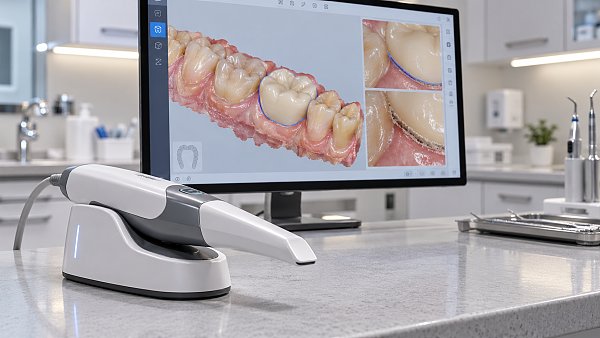
CBCT imaging, guided surgery, motor control, handpieces, irrigation, sterilization, and data transfer must work as one system.
When one link fails, the whole implant case can drift off plan.
The operating environment has changed faster than many equipment workflows
The biggest trend is not simply more implants.
It is the convergence of faster chairside dentistry, digital planning, tighter infection control, and rising patient expectations.
Dental implant equipment once evaluated as separate devices is now judged by interoperability and repeatable accuracy.
A motor with acceptable torque on paper may still fail in guided workflows if speed stability fluctuates under load.
A CBCT unit with decent image quality may still undermine planning if voxel settings are inconsistent between cases.
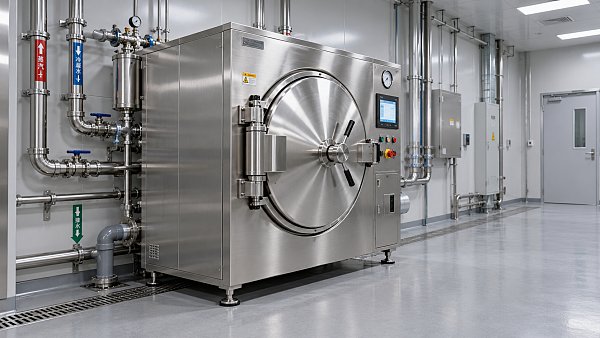
Sterilization equipment may pass routine cycles yet still damage handpiece longevity if packaging, drying, and traceability are weak.
This means dental implant equipment mistakes are no longer isolated technical defects.
They are strategic workflow failures with clinical and operational consequences.
Why this shift is accelerating
The most damaging dental implant equipment mistakes follow clear patterns
Most case failures linked to dental implant equipment do not begin with dramatic breakdowns.
They begin with unnoticed drift, incomplete validation, or poor device matching.
1. Imaging settings are treated as routine instead of case-critical
Incorrect field of view, unstable voxel protocols, or motion artifacts can distort available bone assessment.
That weakens guide design and increases the risk of implant angulation errors.
2. Guided surgery systems are mixed without compatibility checks
Many workflows combine scanners, planning software, sleeves, drills, and implant kits from different sources.
If tolerances are not validated together, cumulative deviation can exceed safe limits.
3. Surgical motor torque values are trusted without verification
Displayed torque is not always delivered torque.
Calibration drift, worn components, or improper maintenance can alter insertion behavior and primary stability expectations.
4. Handpiece wear is underestimated
Runout, heat generation, poor irrigation, and bearing fatigue can reduce drilling precision.
These problems may not appear until osteotomy quality is already compromised.
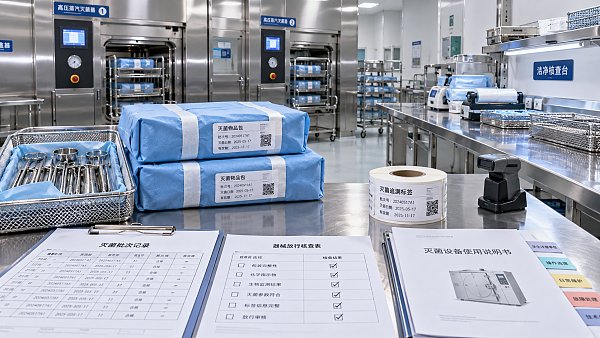
5. Sterilization workflows are separated from device lifecycle control
Dental implant equipment often fails not because sterilization is absent, but because it is inconsistent.
Packaging errors, residual moisture, unsuitable cycle selection, or undocumented reprocessing create hidden risk.
These mistakes affect more than surgery accuracy
The impact spreads across several business and care layers.
That is why dental implant equipment evaluation should not stop at technical specifications alone.
- Clinical outcomes can decline through poor osteotomy geometry, overheating, contamination, or unstable insertion torque.
- Scheduling efficiency suffers when recalibration, extra imaging, or repeat procedures interrupt chairside flow.
- Cost control weakens as drills wear faster, consumables are wasted, and remakes increase.
- Compliance exposure rises when sterilization records and maintenance logs are incomplete.
- Brand trust erodes when digital promises fail to match patient experience.
For integrated medical technology platforms, this pattern mirrors what is happening across rehab, dialysis, and infection control.
Device performance is increasingly judged as a system behavior, not a standalone purchase.
What deserves closer attention before dental implant equipment reaches the chairside
The strongest prevention strategy is structured pre-use verification.
This reduces the chance that hidden technical variation enters live implant cases.
Core checkpoints that matter most
- Imaging consistency: Verify standard protocols for implant planning, artifact control, and reproducible patient positioning.
- System compatibility: Confirm scanners, software, guides, drills, sleeves, and implant libraries work within validated tolerances.
- Motor calibration: Check torque and speed accuracy under simulated clinical load, not only idle conditions.
- Handpiece integrity: Monitor runout, cooling efficiency, vibration, and maintenance intervals.
- Irrigation performance: Ensure flow reaches the osteotomy reliably during all drilling steps.
- Sterilization suitability: Match reprocessing instructions with actual washer, packaging, and autoclave practice.
- Traceability: Link maintenance, sterilization, and case usage data for each critical device.
A practical review table
The next phase will favor validated integration over isolated device claims
Looking ahead, dental implant equipment decisions will increasingly favor platforms that prove repeatable workflow performance.
This includes software alignment, maintenance transparency, sterilization compatibility, and measurable surgical consistency.
The market is moving toward evidence of interoperability, not just marketing around precision.
That trend aligns with broader healthcare equipment expectations seen in infection control and other specialty treatment systems.
Recommended response path
- Map the full implant workflow from imaging to sterilized return.
- Identify where dental implant equipment from different sources creates tolerance stacking.
- Set acceptance criteria for calibration, runout, irrigation, and traceability.
- Run periodic validation with real-case simulation, not paperwork only.
- Use service and sterilization data to predict risk before clinical failure appears.
For organizations tracking specialty treatment technology, the lesson is clear.
Dental implant equipment should be reviewed as part of a precision ecosystem shaped by digital dentistry and infection defense.
A short technical checklist today can prevent biological, mechanical, and reputational complications tomorrow.
The next practical step is to audit one implant workflow end to end and test every device assumption before the next case begins.
Recommended News
 Medical Compliance Reference: U.S. Infection Control Rules vs. GuidanceUse this medical compliance reference to distinguish U.S. infection control rules from guidance, clarify OSHA, CMS, FDA and CDC roles, and identify gaps before your next audit.
 Choosing Powered Exoskeleton Rehabilitation Devices for Post-Stroke Gait TrainingCompare powered exoskeleton rehabilitation devices for post-stroke gait training. Explore patient fit, safety, clinical evidence, and costs to choose the right system for your service.
 Commerce Ministry: Exoskeleton Sales on Key Platforms Rise 46.4% in Jan–Sep 2026Exoskeleton sales rose 46.4% on key platforms in Jan–Sep 2026, according to supplied Commerce Ministry data. Explore procurement insights and key checks for suppliers and buyers.
 Wearable Exoskeleton Rehabilitation Devices: Key Criteria for Gait TrainingCompare wearable exoskeleton rehabilitation devices for gait training. Discover key criteria for patient fit, safety, assistance, and clinical evidence to guide smarter selection.
 3D Intraoral Scans Show High Specificity for Caries Around Restorations3D intraoral scans show high specificity for caries around restorations, but sensitivity varies. Explore what these findings mean for secondary caries assessment.
 Specialty Medical Equipment Specifications: Performance and Compatibility ChecksEvaluate specialty medical equipment specifications with practical performance and compatibility checks. Discover how to avoid costly mismatches and make confident hospital purchasing decisions.
 Taixi Intelligent Exoskeleton Robot Showcased at the 140th Canton FairExplore Taixi Intelligent’s Yinyue X1 exoskeleton, reportedly showcased at the 140th Canton Fair. Discover its features and key compliance checks for overseas buyers.
 Robotic Rehabilitation Devices: How to Evaluate Systems for Gait TrainingCompare robotic rehabilitative medical devices for gait training. Discover how to assess patient fit, safety, clinical evidence, and costs to choose the right system for your program.
 UK Confirms Indefinite Recognition of CE-Marked Medical DevicesCE-marked medical devices gain indefinite recognition in Great Britain. Discover what this means for UKCA requirements, compliance planning and long-term supply continuity.
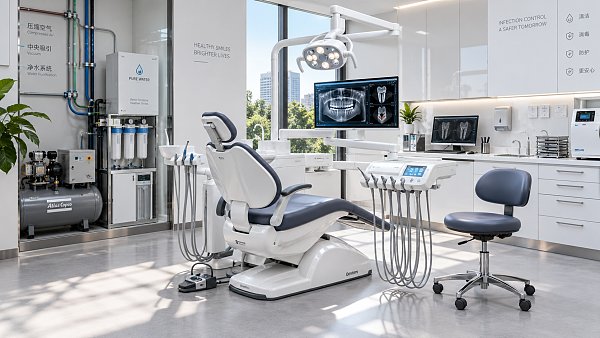
 Electric Dental Chairs: How to Assess Load Capacity, Positioning, and SafetyChoosing electric dental chair equipment? Learn how to verify load capacity, assess positioning, and check safety controls to make a confident, evidence-based purchase.
 Runyes Opens New Ningbo Plant at Global Partner SummitRunyes opens a new Ningbo plant at its 2026 Global Partner Summit. Explore what the expansion could mean for digital dental equipment, global partners, and procurement planning.
 Medical Think Tank Research for Procurement: Evidence and Bias ChecksMedical think tank procurement research: learn to verify evidence, spot bias, and assess lifecycle costs so you can turn insights into defensible hospital equipment decisions.
 Femtosecond Laser Docking: How to Troubleshoot Repeated Suction LossFemtosecond laser systems with docking: troubleshoot repeated suction loss, identify seal and vacuum issues, and explore key safety checks before another attempt. Read the guide.
 Sterilization Standards: What Documentation Do Hospitals Need for Audits?Strengthen sterilization compliance standards documentation with essential audit records, monitoring evidence, and traceability guidance. Discover how to prepare your hospital for audits.
 Hospital Disinfection System Manufacturers: Efficacy Evidence Buyers Should RequestChoosing a hospital disinfection systems manufacturer? Discover the efficacy reports, safety records, and site trials to request to verify claims and buy with confidence.
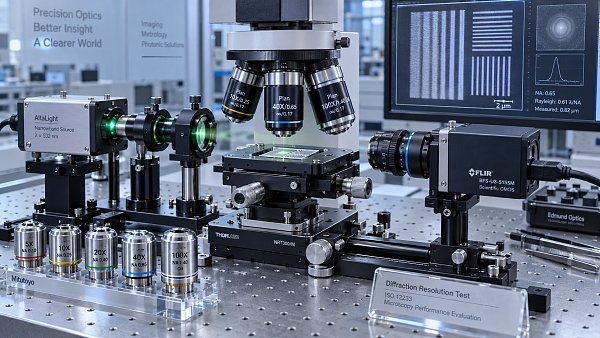
 Optical Diffraction Limits Explained: How Wavelength and NA Set ResolutionOptical diffraction limits explained: Learn how wavelength and NA shape resolution, compare optical specifications confidently, and spot misleading claims before choosing imaging equipment.
 Dialysis Center Equipment Checklist: What to Buy Before OpeningExplore end stage renal disease equipment for dialysis centers with an opening checklist for machines, water systems, and supplies. Plan smarter purchases and avoid costly startup delays.
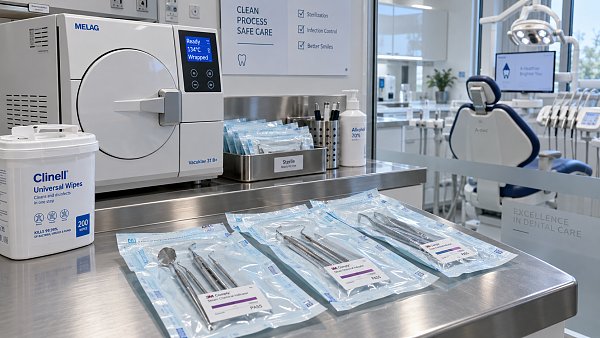
 Dental Clinic Infection Control: Daily Checks for Instruments and SurfacesExplore infection control solutions for dental clinics with practical daily checks for instruments, sterilization, and surfaces. Learn how to spot failures and strengthen patient safety.
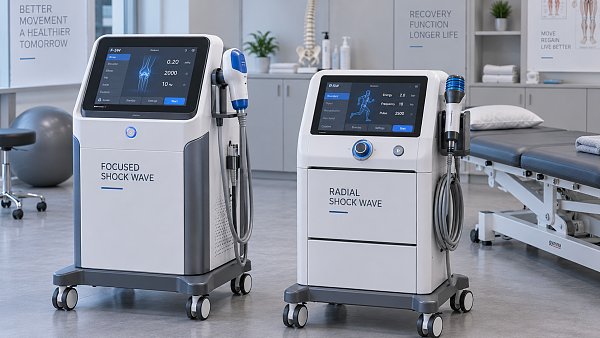
 Focused vs. Radial Shockwave Equipment: Clinical Uses and Selection CriteriaExplore this therapeutic equipment comparison of focused vs. radial shockwave systems. Compare clinical uses, targeting, evidence, and costs to choose the right fit for your clinic.
 What Is Driving Demand for Elderly Care Equipment in Home and Facility Settings?Elderly care equipment demand is rising as home care, staff shortages, chronic disease, and safety needs reshape buying decisions. Discover the trends driving smarter care.
 How to Evaluate a Dental Equipment Supplier Before Equipping a New ClinicDental equipment supplier evaluation made simple: compare workflow fit, installation, infection control, digital integration, service support, and total ownership costs before opening your clinic.





Global Trade Insights & Industry
Our mission is to empower global exporters and importers with data-driven insights that foster strategic growth.
Search News
Popular Tags
Industry Overview
The global commercial kitchen equipment market is projected to reach $112 billion by 2027. Driven by urbanization, the rise of e-commerce food delivery, and strict hygiene regulations.