 Get Insights


What makes minimally invasive dentistry equipment safer?
For technical evaluators, safety in minimally invasive dentistry equipment is not defined by smaller instruments alone—it comes from the integration of precision mechanics, controlled energy delivery, real-time imaging, sterile workflow design, and validated clinical ergonomics. As digital dentistry accelerates chairside diagnostics, implant planning, and microsurgical procedures, understanding what reduces tissue trauma, contamination risk, and operator variability becomes essential. This article examines the engineering and infection-control factors that make minimally invasive dentistry equipment safer for patients, clinicians, and high-throughput dental facilities.
In B2B dental procurement, the evaluation question is no longer whether a device looks advanced. The deeper question is whether its design can consistently protect enamel, dentin, pulp, gingiva, bone, and soft tissue under real clinical workload.
For MTIC’s technical audience, minimally invasive dentistry equipment should be assessed as a connected safety system. Imaging, handpieces, laser modules, implant motors, suction, sterilization, software, and chairside workflow must operate within measurable clinical limits.
Precision Engineering: The First Safety Layer in Minimally Invasive Dentistry Equipment
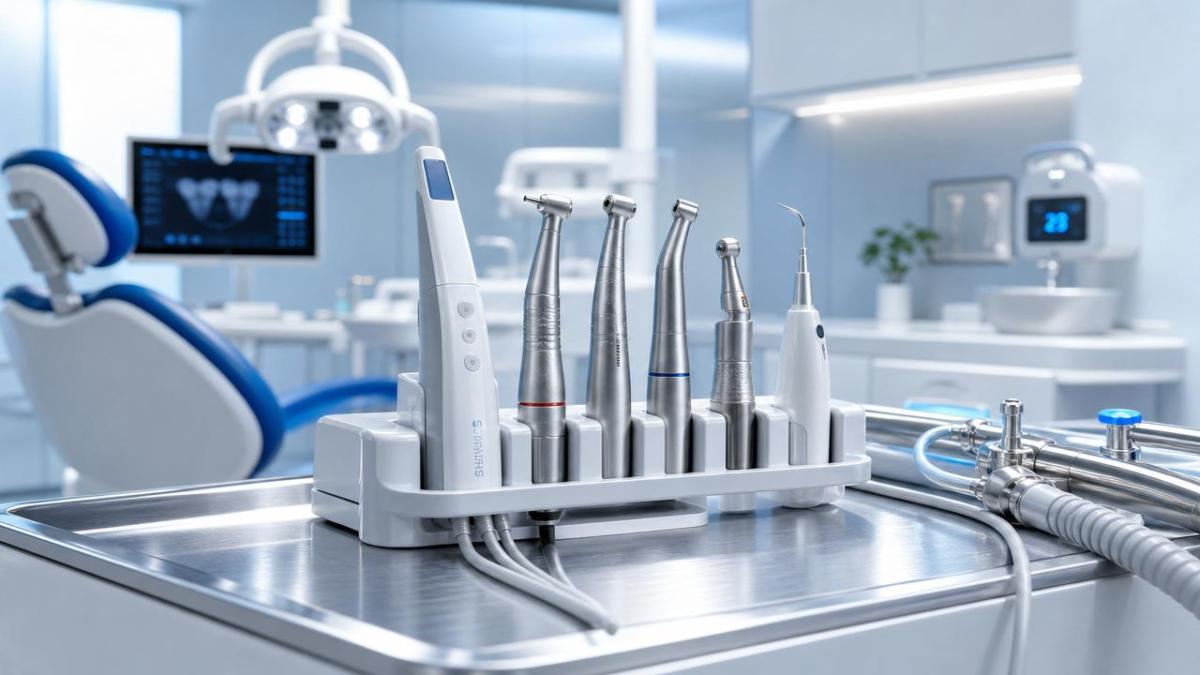
The safest minimally invasive dentistry equipment starts with mechanical predictability. When a clinician removes caries, prepares an implant osteotomy, or performs microsurgery, even a 0.2–0.5 mm deviation may affect tissue preservation.
Precision is built through concentric rotation, low vibration, calibrated torque, stable water spray, and optical access. These features reduce unnecessary cutting and help operators maintain repeatable movement across 8–12 hour clinical days.
Handpiece stability and micro-movement control
High-speed turbine and electric handpieces used in minimally invasive dentistry equipment must maintain low runout and consistent speed under load. Excessive vibration increases heat, microcracks, and operator fatigue.
For technical evaluation, common review points include bur concentricity, bearing life, chuck retention force, spray port geometry, and compatibility with ISO-standard burs. A 3-port or 4-port spray pattern often improves cooling reliability.
Key mechanical checks
- Verify rotational stability across typical working ranges, such as 40,000 rpm electric mode or 300,000–400,000 rpm turbine mode.
- Check bur retention after repeated sterilization cycles, commonly reviewed after 250–500 autoclave cycles.
- Assess vibration, noise, and heat rise during 2–5 minute continuous cutting simulations.
For procurement teams, these checks help distinguish true minimally invasive performance from simple miniaturization. Smaller tools are not inherently safer unless their energy transfer is stable and controllable.
Controlled Energy Delivery Reduces Thermal and Structural Trauma
Many modern procedures rely on energy-based systems: lasers, ultrasonic scalers, piezoelectric surgery units, electrosurgical devices, and implant motors. Safer minimally invasive dentistry equipment controls energy at the tissue interface.
Thermal safety is particularly important. In bone and pulp-adjacent work, prolonged heat exposure above common clinical caution thresholds can increase post-operative complications. Cooling, duty cycle, and feedback control are therefore central.
The following table outlines evaluation priorities for energy-dependent dental systems. It is useful for comparing technical datasheets, on-site demonstrations, and pre-purchase validation protocols.
The key conclusion is that energy control must be verified under clinical load, not only in display mode. A device may show precise settings yet drift when tips wear, irrigation drops, or workload increases.
Why feedback loops matter
Closed-loop control improves safety by measuring speed, torque, pressure, or temperature-related variables and adjusting output in real time. In implantology, torque control can reduce over-compression of bone.
For minimally invasive dentistry equipment, evaluators should ask whether the system records deviations, displays alarms clearly, and prevents accidental over-setting. A 2-step confirmation for high-energy modes is a practical safety feature.
Imaging, Navigation, and Software Make Procedures More Predictable
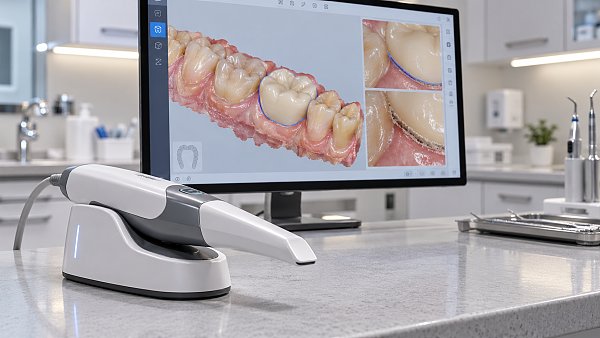
Minimally invasive treatment depends on knowing where not to cut. CBCT, intraoral scanners, digital radiography, surgical guides, and planning software reduce uncertainty before instruments contact tissue.
For technical evaluators, image quality should be linked to clinical decisions. Resolution, field of view, stitching accuracy, artifact reduction, and dose management all influence treatment safety.
From diagnostic data to guided execution
A typical digital minimally invasive workflow may include 5 steps: scan acquisition, anatomical segmentation, treatment planning, guide or navigation setup, and post-procedure verification.
Each step adds safety only if data transfer is accurate. File compatibility, DICOM handling, STL alignment, and calibration routines should be verified before routine clinical deployment.
- Confirm CBCT voxel size options appropriate for the indication, often ranging from about 75–200 microns.
- Check scanner accuracy in full-arch and quadrant workflows, especially for implant or orthodontic planning.
- Validate guide fit, sleeve offset, and drill compatibility before surgical use.
- Review software version control and user permission management.
Dose and information balance
Safer imaging is not simply maximum resolution. The best configuration provides sufficient anatomical information with appropriate exposure, field size, and patient positioning stability.
For high-throughput facilities, preset protocols reduce operator variability. Adult, pediatric, endodontic, implant, and airway modes should be clearly separated to prevent unnecessary radiation or inadequate diagnostic detail.
Sterile Workflow Design Controls Cross-Infection Risk
Minimally invasive procedures still create contamination risk through aerosols, blood, saliva, waterlines, handpiece lumens, and reusable tips. Equipment safety therefore depends on both device design and reprocessing discipline.
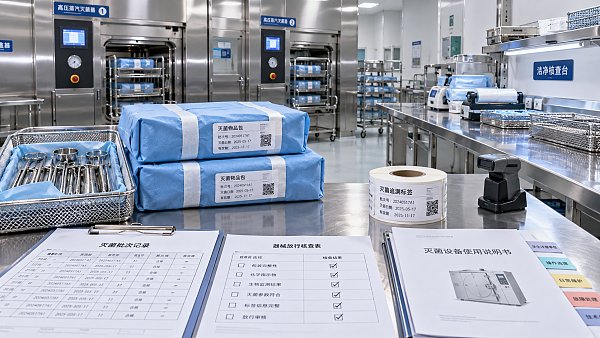
MTIC views dental safety through the same infection-control lens used in hospital sterilization. The chain must include cleaning, packaging, sterilization, storage, chairside asepsis, and traceable release.
The table below summarizes practical infection-control factors that should be checked when selecting minimally invasive dentistry equipment for clinics, dental hospitals, or multi-chair centers.
The practical takeaway is that safe equipment must be easy to reprocess correctly. If cleaning requires excessive manual steps, compliance can weaken during peak schedules of 20–40 patients per day.
Standards, IFU clarity, and audit readiness
Technical evaluators should compare equipment instructions against applicable sterilization and safety expectations, such as ISO 17664 reprocessing information and IEC 60601 electrical safety principles.
A robust supplier should provide cycle parameters, accessory lifespan, cleaning limitations, and maintenance intervals. Ambiguous instructions create risk for CSSD-style audits and clinic accreditation reviews.
Ergonomics and Human Factors Reduce Operator Variability
Even highly precise devices can become unsafe if they are difficult to hold, view, adjust, or clean. Human factors determine whether minimally invasive dentistry equipment performs consistently across clinicians.
Ergonomic design affects fatigue, visibility, reaction time, and hand stability. In procedures lasting 30–90 minutes, poor balance or awkward control placement may increase tissue trauma.
Control interface and workflow safety
Foot pedals, touchscreens, hand controls, and preset programs should be intuitive. A safe interface limits accidental activation and allows rapid adjustment without breaking sterile focus.
- Use color-coded modes for cutting, polishing, irrigation, and standby status.
- Require confirmation for high-power laser or high-torque implant settings.
- Provide clear alerts for low irrigation, overload, overheating, or accessory mismatch.
- Support left-handed and right-handed operation where multi-operator use is expected.
Training burden as a safety metric
A practical benchmark is how many supervised cases are needed before routine use. Many clinics plan 2–4 training sessions for new imaging, laser, or implant motor platforms.
If a system requires complex manual calibration before every case, evaluators should consider whether the facility has enough trained staff and documented competency checks.
Procurement Criteria for Safer Minimally Invasive Dentistry Equipment
Purchasing teams should combine clinical, engineering, infection-control, and financial criteria. The lowest acquisition price may not be safest if consumables, downtime, or sterilization complexity increase operational risk.
For B2B decision-making, MTIC recommends a structured evaluation across 6 dimensions: clinical indication fit, precision, infection control, interoperability, serviceability, and lifecycle cost.
A practical 5-step evaluation process
- Define procedures: restorative, endodontic, periodontal, implant, orthodontic, or oral surgery use cases.
- Map risk points: heat, vibration, aerosol, software error, cross-contamination, or user fatigue.
- Run technical trials: measure stability, irrigation, image transfer, and sterilization workflow.
- Review documentation: IFU, service manual, training plan, warranty terms, and consumable availability.
- Confirm implementation: installation timeline, staff training, preventive maintenance, and audit records.
Typical implementation may take 2–6 weeks, depending on room readiness, software integration, staff availability, and sterilization validation. Multi-site groups should pilot one chair before scaling.
Questions technical evaluators should ask suppliers
- Which parts are autoclavable, single-use, or chemically disinfected?
- What are the recommended preventive maintenance intervals: monthly, quarterly, or annually?
- How are calibration records stored, exported, or reviewed during audits?
- Can the system integrate with CBCT, intraoral scanning, or practice management software?
- What consumables are required per case, and are alternatives validated?
These questions reveal whether minimally invasive dentistry equipment is safe only in theory or safe in daily operations. The best systems make correct use easier than incorrect use.
Common Mistakes That Weaken Safety Claims
Technical teams should be cautious when safety claims focus only on compact instruments, premium materials, or digital branding. Real safety is proven through validation, usability, and infection-control compatibility.
Mistake 1: Confusing minimal access with minimal trauma
A smaller access point does not guarantee less trauma if the device overheats, vibrates, or lacks visual guidance. Tissue preservation requires controlled interaction over the entire procedure.
Mistake 2: Ignoring reprocessing time
If each handpiece or tip requires lengthy manual cleaning, the clinic may need larger instrument inventory. Otherwise, rushed turnaround can compromise sterilization quality during peak hours.
Mistake 3: Underestimating software governance
Digital dentistry depends on data integrity. Version mismatches, incomplete scans, or unverified guide designs can undermine the advantages of minimally invasive dentistry equipment.
Facilities should assign user roles, backup policies, and documented approval steps. Even a 3-minute pre-surgical verification can prevent costly clinical and operational errors.
Final Evaluation: Safety Is a System, Not a Single Feature
Safer minimally invasive dentistry equipment combines precision mechanics, controlled energy, image-guided planning, validated sterilization, and ergonomic workflow. No single feature can compensate for weakness in the others.
For technical evaluators, the strongest purchasing decision comes from testing equipment under realistic clinical conditions, reviewing reprocessing requirements, and confirming long-term service support.
MTIC helps medical equipment suppliers and healthcare decision-makers interpret these safety factors across dental units, infection control systems, and specialty treatment platforms. To compare configurations, assess procurement risk, or plan a safer digital dental workflow, contact us to get a customized solution and explore more technical insights.
Recommended News
 Medical Compliance Reference: U.S. Infection Control Rules vs. GuidanceUse this medical compliance reference to distinguish U.S. infection control rules from guidance, clarify OSHA, CMS, FDA and CDC roles, and identify gaps before your next audit.
 Choosing Powered Exoskeleton Rehabilitation Devices for Post-Stroke Gait TrainingCompare powered exoskeleton rehabilitation devices for post-stroke gait training. Explore patient fit, safety, clinical evidence, and costs to choose the right system for your service.
 Commerce Ministry: Exoskeleton Sales on Key Platforms Rise 46.4% in Jan–Sep 2026Exoskeleton sales rose 46.4% on key platforms in Jan–Sep 2026, according to supplied Commerce Ministry data. Explore procurement insights and key checks for suppliers and buyers.
 Wearable Exoskeleton Rehabilitation Devices: Key Criteria for Gait TrainingCompare wearable exoskeleton rehabilitation devices for gait training. Discover key criteria for patient fit, safety, assistance, and clinical evidence to guide smarter selection.
 3D Intraoral Scans Show High Specificity for Caries Around Restorations3D intraoral scans show high specificity for caries around restorations, but sensitivity varies. Explore what these findings mean for secondary caries assessment.
 Specialty Medical Equipment Specifications: Performance and Compatibility ChecksEvaluate specialty medical equipment specifications with practical performance and compatibility checks. Discover how to avoid costly mismatches and make confident hospital purchasing decisions.
 Taixi Intelligent Exoskeleton Robot Showcased at the 140th Canton FairExplore Taixi Intelligent’s Yinyue X1 exoskeleton, reportedly showcased at the 140th Canton Fair. Discover its features and key compliance checks for overseas buyers.
 Robotic Rehabilitation Devices: How to Evaluate Systems for Gait TrainingCompare robotic rehabilitative medical devices for gait training. Discover how to assess patient fit, safety, clinical evidence, and costs to choose the right system for your program.
 UK Confirms Indefinite Recognition of CE-Marked Medical DevicesCE-marked medical devices gain indefinite recognition in Great Britain. Discover what this means for UKCA requirements, compliance planning and long-term supply continuity.
 Electric Dental Chairs: How to Assess Load Capacity, Positioning, and SafetyChoosing electric dental chair equipment? Learn how to verify load capacity, assess positioning, and check safety controls to make a confident, evidence-based purchase.
 Runyes Opens New Ningbo Plant at Global Partner SummitRunyes opens a new Ningbo plant at its 2026 Global Partner Summit. Explore what the expansion could mean for digital dental equipment, global partners, and procurement planning.
 Medical Think Tank Research for Procurement: Evidence and Bias ChecksMedical think tank procurement research: learn to verify evidence, spot bias, and assess lifecycle costs so you can turn insights into defensible hospital equipment decisions.
 Femtosecond Laser Docking: How to Troubleshoot Repeated Suction LossFemtosecond laser systems with docking: troubleshoot repeated suction loss, identify seal and vacuum issues, and explore key safety checks before another attempt. Read the guide.
 Sterilization Standards: What Documentation Do Hospitals Need for Audits?Strengthen sterilization compliance standards documentation with essential audit records, monitoring evidence, and traceability guidance. Discover how to prepare your hospital for audits.
 Hospital Disinfection System Manufacturers: Efficacy Evidence Buyers Should RequestChoosing a hospital disinfection systems manufacturer? Discover the efficacy reports, safety records, and site trials to request to verify claims and buy with confidence.
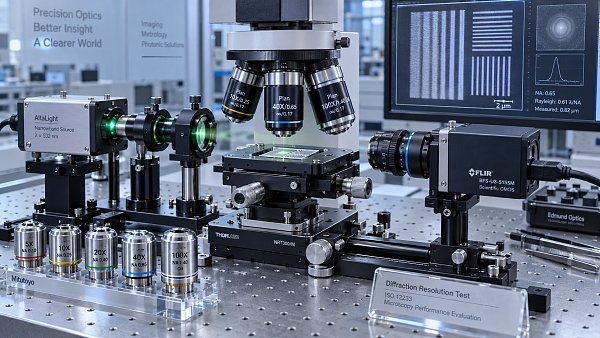
 Optical Diffraction Limits Explained: How Wavelength and NA Set ResolutionOptical diffraction limits explained: Learn how wavelength and NA shape resolution, compare optical specifications confidently, and spot misleading claims before choosing imaging equipment.
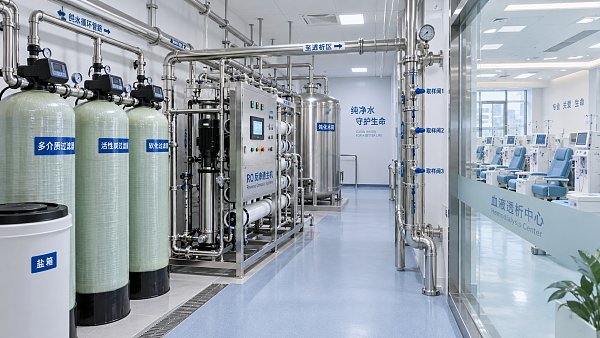
 Dialysis Center Equipment Checklist: What to Buy Before OpeningExplore end stage renal disease equipment for dialysis centers with an opening checklist for machines, water systems, and supplies. Plan smarter purchases and avoid costly startup delays.
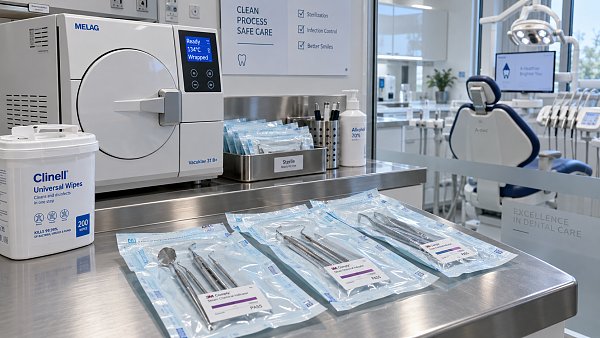
 Dental Clinic Infection Control: Daily Checks for Instruments and SurfacesExplore infection control solutions for dental clinics with practical daily checks for instruments, sterilization, and surfaces. Learn how to spot failures and strengthen patient safety.
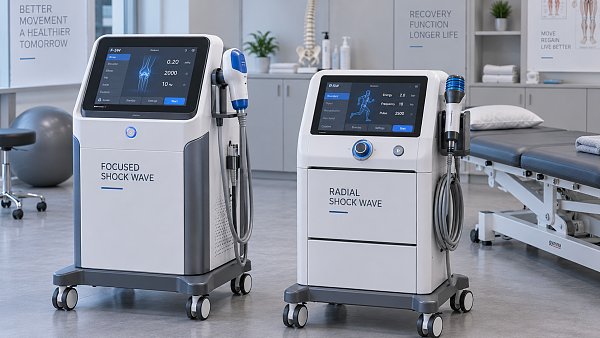
 Focused vs. Radial Shockwave Equipment: Clinical Uses and Selection CriteriaExplore this therapeutic equipment comparison of focused vs. radial shockwave systems. Compare clinical uses, targeting, evidence, and costs to choose the right fit for your clinic.
 What Is Driving Demand for Elderly Care Equipment in Home and Facility Settings?Elderly care equipment demand is rising as home care, staff shortages, chronic disease, and safety needs reshape buying decisions. Discover the trends driving smarter care.
 How to Evaluate a Dental Equipment Supplier Before Equipping a New ClinicDental equipment supplier evaluation made simple: compare workflow fit, installation, infection control, digital integration, service support, and total ownership costs before opening your clinic.
Global Trade Insights & Industry
Our mission is to empower global exporters and importers with data-driven insights that foster strategic growth.
Search News
Popular Tags
Industry Overview
The global commercial kitchen equipment market is projected to reach $112 billion by 2027. Driven by urbanization, the rise of e-commerce food delivery, and strict hygiene regulations.