 Get Insights


Anhui Enforces National Urological Intervention Procurement from May 28, 2026
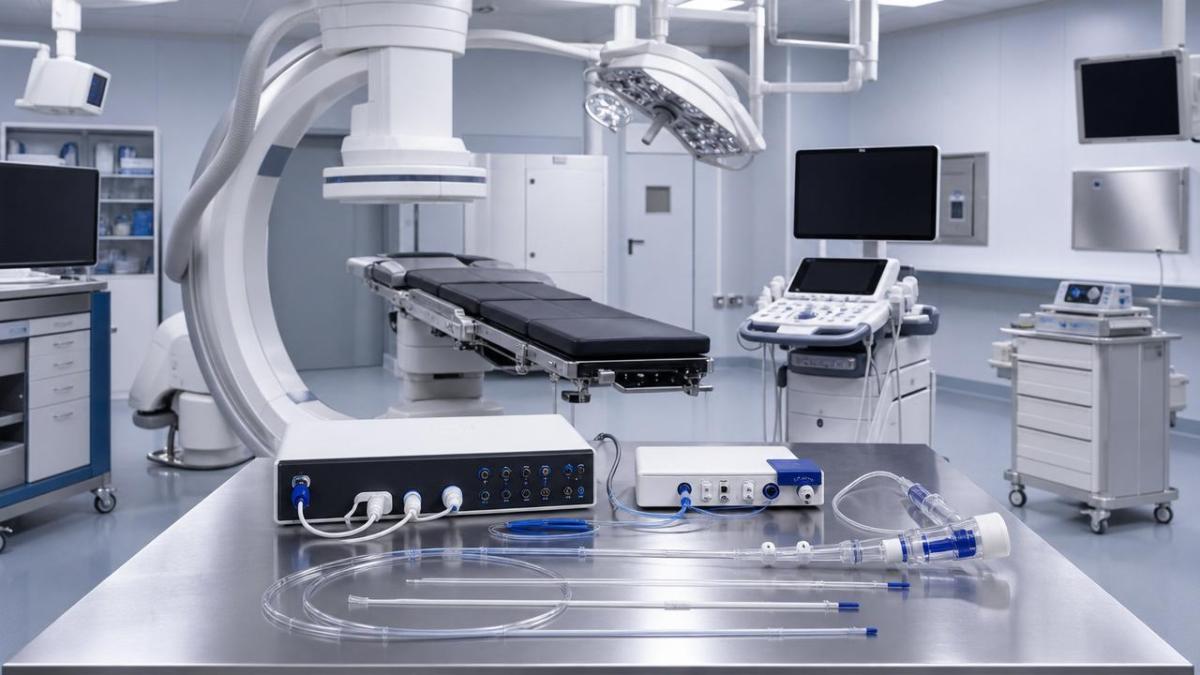
On May 28, 2026, Anhui Province began implementing the winning results of the national centralized procurement for urological intervention medical devices. This policy introduces bundled pricing — such as for ureteral access sheaths paired with pressure sensors — and directly affects export prospects for CBCT-guided biopsy devices. Medical imaging hardware developers, navigation system integrators, and exporters serving emerging markets should closely monitor its ripple effects on clinical pathway alignment and technical benchmarking requirements.
Event Overview
Starting May 28, 2026, Anhui Province officially implemented the selected outcomes of the National Organization’s centralized procurement for urological intervention medical devices. Under this policy, products including ureteral access sheaths are subject to total price controls covering both the sheath and integrated pressure sensors. The implementation is confirmed and publicly reported as effective from that date.
Industries Affected by This Policy
Export-oriented medical device manufacturers (CBCT-guided biopsy systems)
Why affected: The pricing mechanism incentivizes domestic clinical adoption of integrated, cost-optimized navigation solutions, indirectly raising technical expectations in overseas emerging markets where Chinese-made CBCT-guided devices compete. Impact manifests in increased demand for compatibility with fused ultrasound-CBCT navigation platforms and digital operating room imaging workflows.
Medical imaging hardware suppliers (CBCT, ultrasound, surgical navigation subsystems)
Why affected: Domestic hospitals adopting newly procured urological pathways will require compatible imaging chain components — e.g., real-time fusion engines, DICOM interoperability modules, and OR integration interfaces. Impact includes accelerated need for regulatory-ready software updates and clinical validation aligned with new procedural standards.
Digital operating room (OR) integration service providers
Why affected: The policy promotes standardized clinical pathways involving multi-modality image guidance. Impact appears in heightened demand for turnkey integration services linking CBCT, ultrasound, endoscopy, and surgical planning systems — particularly those validated under China’s evolving clinical procurement-driven workflows.
What Relevant Enterprises or Practitioners Should Focus On and How to Respond
Monitor official implementation bulletins and provincial addenda
While the national framework is set, Anhui and other provinces may issue supplementary notices on clinical usage protocols, billing codes, or device substitution rules. These documents influence how strictly ‘bundled pricing’ is enforced in practice — especially regarding whether standalone CBCT guidance modules remain reimbursable outside the approved sheath-sensor bundle.
Track shifts in clinical pathway documentation and tender specifications
Hospitals adopting the new procurement results may update internal clinical guidelines or tender language to prioritize systems demonstrating compatibility with the mandated workflow (e.g., real-time pressure feedback during sheath placement). Exporters should review updated hospital tender documents in target emerging markets for signs of similar technical referencing patterns.
Distinguish between policy signaling and operational impact
The current measure signals a broader shift toward value-based, pathway-integrated procurement — but actual device replacement cycles and hospital upgrade timelines remain variable. Companies should avoid assuming immediate volume shifts; instead, assess regional rollout pace via hospital procurement portals and provincial health commission announcements.
Prepare interoperability test reports and clinical workflow documentation
To support both domestic adaptation and international technical benchmarking, manufacturers should compile evidence showing compatibility with fused ultrasound-CBCT navigation use cases — including latency metrics, DICOM-RT/SC support, and integration with common OR video management systems. Such documentation is increasingly requested in tenders referencing ‘digital surgery room’ requirements.
Editorial Perspective / Industry Observation
Observably, this policy functions less as an isolated pricing adjustment and more as a structural signal: it reflects a deliberate effort to align device reimbursement with standardized, technology-enabled clinical pathways. Analysis shows that its primary effect lies not in immediate price suppression alone, but in accelerating clinical demand for interoperable, digitally integrated systems — particularly at the intersection of imaging hardware and procedural consumables. From an industry perspective, this marks a transitional phase where procurement policy begins shaping upstream R&D priorities and downstream export positioning. Continued observation is warranted as other provinces adopt similar frameworks — especially regarding whether ‘pathway-linked’ pricing expands beyond urology into other interventional specialties.
Conclusion: This policy does not constitute a direct export restriction, nor does it mandate technological change by law. Rather, it reshapes clinical incentives in a key domestic market — thereby influencing technical expectations, integration requirements, and competitive benchmarks in overseas markets where Chinese medical devices are gaining traction. It is best understood as a demand-side calibration with cascading implications for product development, regulatory strategy, and international market positioning.
Source Disclosure:
Main source: Official announcement of Anhui Provincial Health Commission regarding implementation of the National Urological Intervention Device Procurement Results, effective May 28, 2026.
Note: Expansion of similar bundled pricing to other provinces, or formal inclusion of CBCT-guided devices in future procurement rounds, remains unconfirmed and requires ongoing monitoring.
Recommended News
 Medical Compliance Reference: U.S. Infection Control Rules vs. GuidanceUse this medical compliance reference to distinguish U.S. infection control rules from guidance, clarify OSHA, CMS, FDA and CDC roles, and identify gaps before your next audit.
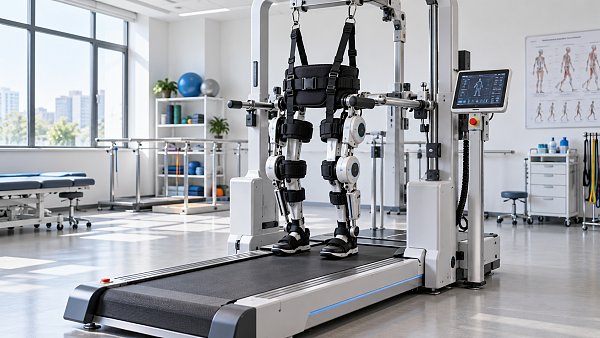
 Choosing Powered Exoskeleton Rehabilitation Devices for Post-Stroke Gait TrainingCompare powered exoskeleton rehabilitation devices for post-stroke gait training. Explore patient fit, safety, clinical evidence, and costs to choose the right system for your service.
 Commerce Ministry: Exoskeleton Sales on Key Platforms Rise 46.4% in Jan–Sep 2026Exoskeleton sales rose 46.4% on key platforms in Jan–Sep 2026, according to supplied Commerce Ministry data. Explore procurement insights and key checks for suppliers and buyers.
 Wearable Exoskeleton Rehabilitation Devices: Key Criteria for Gait TrainingCompare wearable exoskeleton rehabilitation devices for gait training. Discover key criteria for patient fit, safety, assistance, and clinical evidence to guide smarter selection.
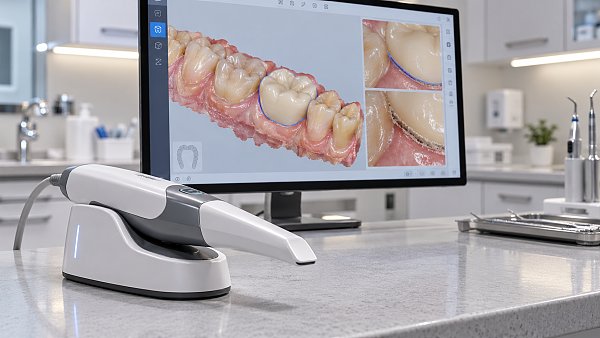
 3D Intraoral Scans Show High Specificity for Caries Around Restorations3D intraoral scans show high specificity for caries around restorations, but sensitivity varies. Explore what these findings mean for secondary caries assessment.
 Specialty Medical Equipment Specifications: Performance and Compatibility ChecksEvaluate specialty medical equipment specifications with practical performance and compatibility checks. Discover how to avoid costly mismatches and make confident hospital purchasing decisions.
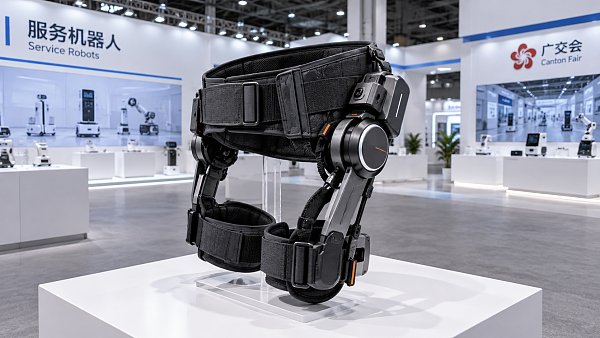
 Taixi Intelligent Exoskeleton Robot Showcased at the 140th Canton FairExplore Taixi Intelligent’s Yinyue X1 exoskeleton, reportedly showcased at the 140th Canton Fair. Discover its features and key compliance checks for overseas buyers.
 Robotic Rehabilitation Devices: How to Evaluate Systems for Gait TrainingCompare robotic rehabilitative medical devices for gait training. Discover how to assess patient fit, safety, clinical evidence, and costs to choose the right system for your program.
 UK Confirms Indefinite Recognition of CE-Marked Medical DevicesCE-marked medical devices gain indefinite recognition in Great Britain. Discover what this means for UKCA requirements, compliance planning and long-term supply continuity.
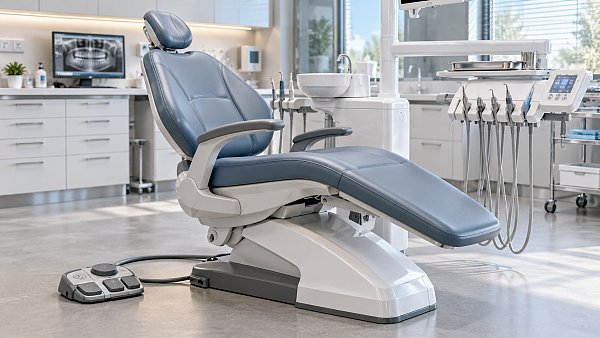
 Electric Dental Chairs: How to Assess Load Capacity, Positioning, and SafetyChoosing electric dental chair equipment? Learn how to verify load capacity, assess positioning, and check safety controls to make a confident, evidence-based purchase.
 Runyes Opens New Ningbo Plant at Global Partner SummitRunyes opens a new Ningbo plant at its 2026 Global Partner Summit. Explore what the expansion could mean for digital dental equipment, global partners, and procurement planning.
 Medical Think Tank Research for Procurement: Evidence and Bias ChecksMedical think tank procurement research: learn to verify evidence, spot bias, and assess lifecycle costs so you can turn insights into defensible hospital equipment decisions.
 Femtosecond Laser Docking: How to Troubleshoot Repeated Suction LossFemtosecond laser systems with docking: troubleshoot repeated suction loss, identify seal and vacuum issues, and explore key safety checks before another attempt. Read the guide.
 Sterilization Standards: What Documentation Do Hospitals Need for Audits?Strengthen sterilization compliance standards documentation with essential audit records, monitoring evidence, and traceability guidance. Discover how to prepare your hospital for audits.
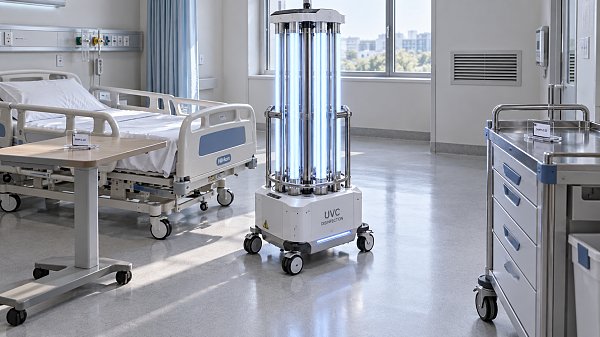
 Hospital Disinfection System Manufacturers: Efficacy Evidence Buyers Should RequestChoosing a hospital disinfection systems manufacturer? Discover the efficacy reports, safety records, and site trials to request to verify claims and buy with confidence.
 Optical Diffraction Limits Explained: How Wavelength and NA Set ResolutionOptical diffraction limits explained: Learn how wavelength and NA shape resolution, compare optical specifications confidently, and spot misleading claims before choosing imaging equipment.
 Dialysis Center Equipment Checklist: What to Buy Before OpeningExplore end stage renal disease equipment for dialysis centers with an opening checklist for machines, water systems, and supplies. Plan smarter purchases and avoid costly startup delays.
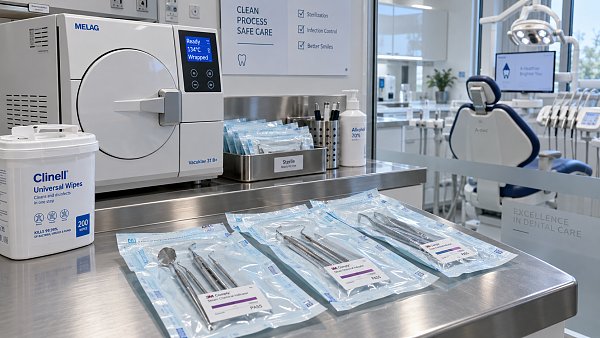
 Dental Clinic Infection Control: Daily Checks for Instruments and SurfacesExplore infection control solutions for dental clinics with practical daily checks for instruments, sterilization, and surfaces. Learn how to spot failures and strengthen patient safety.
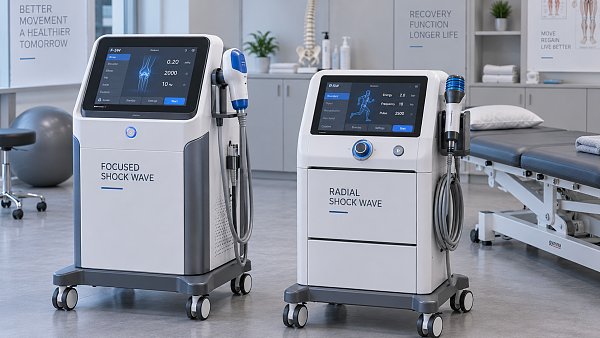
 Focused vs. Radial Shockwave Equipment: Clinical Uses and Selection CriteriaExplore this therapeutic equipment comparison of focused vs. radial shockwave systems. Compare clinical uses, targeting, evidence, and costs to choose the right fit for your clinic.
 What Is Driving Demand for Elderly Care Equipment in Home and Facility Settings?Elderly care equipment demand is rising as home care, staff shortages, chronic disease, and safety needs reshape buying decisions. Discover the trends driving smarter care.
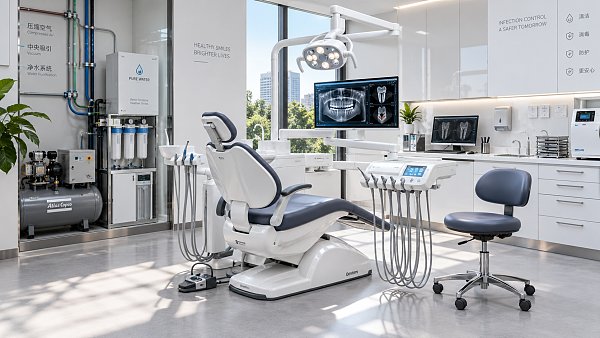
 How to Evaluate a Dental Equipment Supplier Before Equipping a New ClinicDental equipment supplier evaluation made simple: compare workflow fit, installation, infection control, digital integration, service support, and total ownership costs before opening your clinic.










Global Trade Insights & Industry
Our mission is to empower global exporters and importers with data-driven insights that foster strategic growth.
Search News
Popular Tags
Industry Overview
The global commercial kitchen equipment market is projected to reach $112 billion by 2027. Driven by urbanization, the rise of e-commerce food delivery, and strict hygiene regulations.